
NEPAL: There Was Blood in My Panties
Apr 30, 2019
story
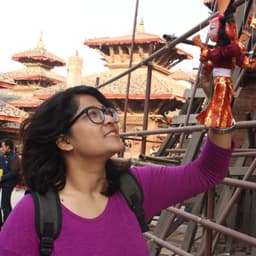

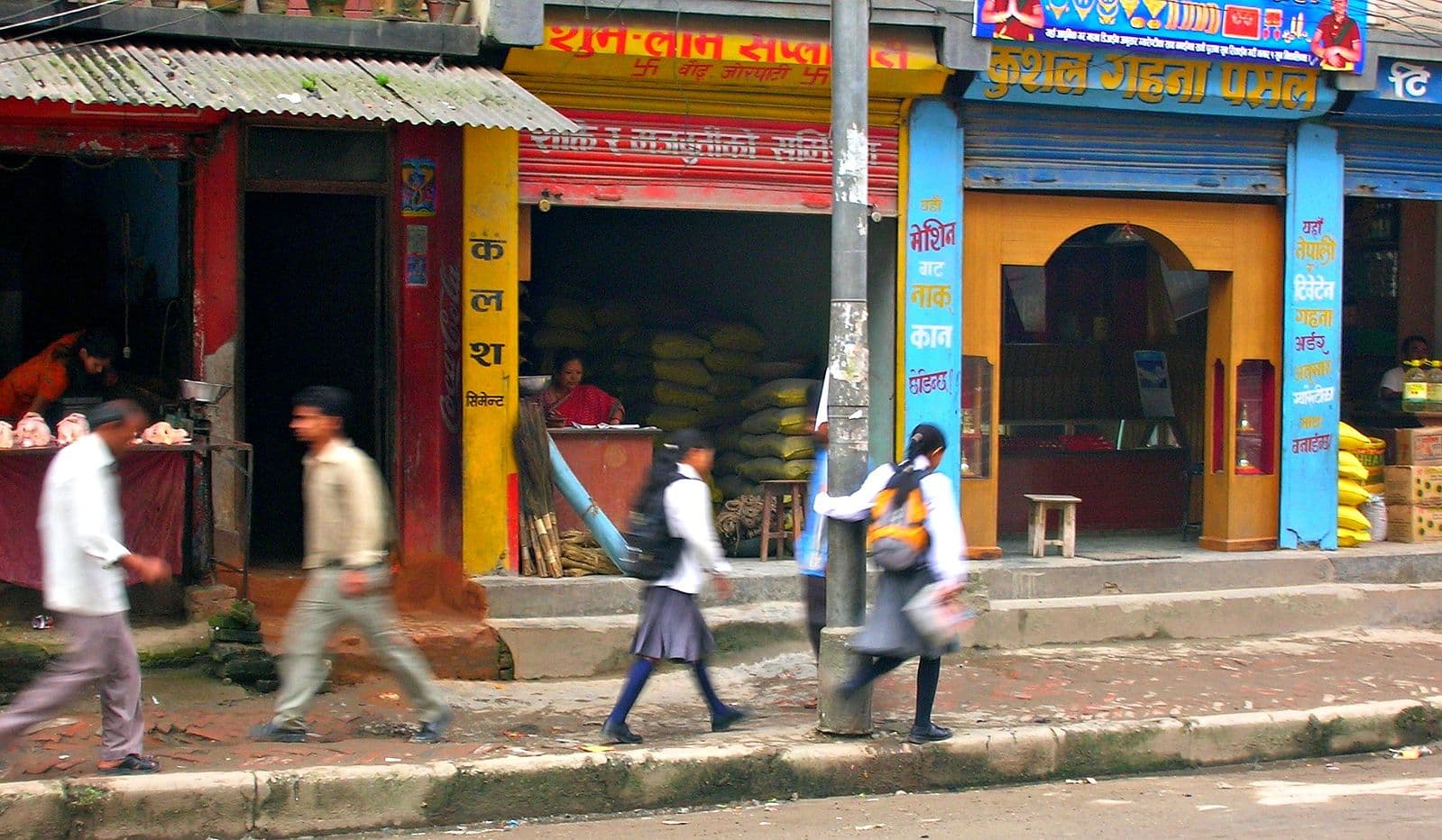
Photo © Wonderlane
When she started menstruating, Reeti wasn't prepared for the stigma and shame that arrived with her period.
I share my period story today to turn my silence from a whisper to a roar.
I stared at my blood stained panties. I was sitting on the toilet seat, and I knew exactly what it was.
“Period! I Finally have my period! ”
I was 11 years old, and I was so happy. I knew about menstruation from my mother and elder sister. They had not told to me what it would be like, but I knew of my sister’s severe period cramps and the “untouchable days” when my older female role models were not allowed to enter certain areas of the house.
I was ecstatic when my mother taught me to wear a sanitary pad. I still remember that even though I did not attend school that day, I kept checking my sanitary pad every 30 minutes and looking at the blood on it. I was smiling every time I saw the blood in my panties which meant I had entered “womanhood. ”
But I soon realized “womanhood” was not just about getting your period. The next day my mother asked me to tell everyone that I had missed school because I had diarrhea. I did not know why my mother had asked me to lie, but I did so because I wasn’t allowed to question it either. I suppressed the urge to boast to my friends about my period. At age 11, I knew womanhood in my society meant silence and there was no place for questions.
I remember not revealing the secret of my period to anyone, not even my best friend, until she found a sanitary pad during the second month of my cycle. I remember being ashamed when she held out the pad and asked me what it was. Slowly, a few of my friends started to find out. While playing catch in the playground, my friends would tell me, “After your periods, you should not touch or get near boys. Or else you will get a baby in your tummy. ”
At that time, I did not know whether the statement was true or false, but I didn’t feel comfortable asking my sister or mother because of the taboo associated with menstruation in my society. But slowly I stopped playing catch with boys and started playing pebble games, which was seen as a more appropriate activity for girls my age and did not involve running around with boys.
After two or three cycles, I learned what my sister meant when she said “periods mean pain. ” I started having cramps like she had. It was worse for a girl of Grade 5 who had to lie about it and simply endure the pain in class.
Within a year of entering this “womanhood” I had been so excited about, my voice slowly turned from a whisper to silence.
During my menstruation I was not allowed to touch or enter the prayer room; I was not allowed to celebrate the biggest Hindu festivals of Dashain and Tihar, and after the fourth and seventh day of period flow, I had to purify myself in order to be able to worship again. I couldn’t talk or joke with boys like I had before. I couldn’t even question these rules. Why wasn’t I allowed to ask why? Why Did period talk result in \"hush\" and \"shhh\" all the time? Why Is it a secret when everyone knows that all women in the whole world have their period once every month for almost six days in a row?
In Nepal, I am considered among the “lucky ones. ” I am a city girl whose parents are not orthodox about traditional practices. In the western and far-western regions of Nepal, menstruation means bad or even dangerous shelter, nutrition-less foods, and the inability to touch anything. This practice of keeping menstruating and pregnant woman in cowsheds during their cycles is called chhaupadi. It was abolished by law in 2005, but even 12 years later, it is still in practice. Women and girls face violence such as rape in the chhau hut. Some are bitten by snakes, or attacked by wild animals. A few months back a 15-year-old girl lost her life due to suffocation in the shed.
I might be “lucky, ” but I will not deny that I’m still bound to the shackles of societal norms. Even in my house, period means no prayer. Period means I can’t enter the kitchen. Period means untouchability.
A year back, during my period, I visited my grandmother in the city. She may live in the city but she still has orthodox values. When I visited her, I was made to have my lunch on the terrace, and the lunch plate was slid towards me so that no one touched me and made themselves “impure. ” I was not allowed to enter the room where all my relatives were sitting. I was kept on a chair outside the room.
Their treatment angered me, but what filled me with extreme rage was my cowardice and inability to stand up for myself. While I was raised in the city, given a quality education, and have taken workshops on how to raise my voice against injustice, I still felt crippled at a time when I had to actually use these skills.
The shackles of societal norms silenced me that day. But since then, I have made efforts to speak out and stand up. I share my period story today to turn my silence from a whisper to a roar—a roar that urges women to stand up for themselves, a roar against society’s malpractices that silence women, and a roar that can help women proudly say, “I have blood in my panties! \"
STORY AWARDS
This story was published as part of the World Pulse Story Awards program. We believe everyone has a story to share, and that the world will be a better place when women are heard. Share your story with us, and you could be our next Featured Storyteller! Learn more.
- Girl Power
- Health
- Salud menstrual
- South and Central Asia