
When We Decide to Listen Deeply
Jun 24, 2026
story
Seeking
Visibility

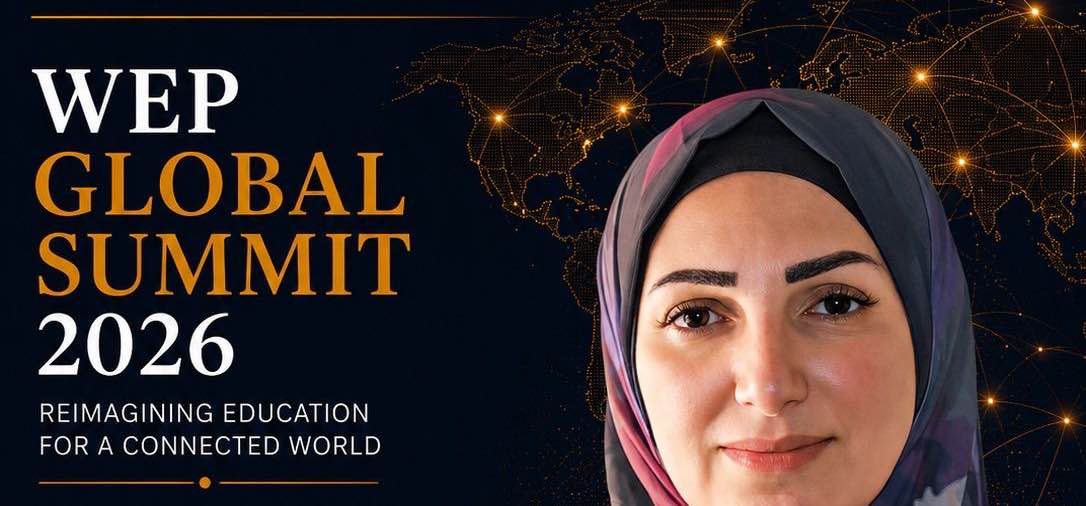
Deep Listening: The Skill Our Future Needs Most
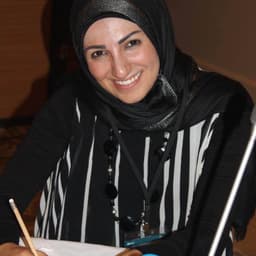
By Hawraa Ghandour
As I prepared for my first international address as Lebanon Country Director of the International Internship University, I found myself reflecting on a simple but profound question:
What is the most important skill we can teach our children?
Many people would answer with technology, artificial intelligence, coding, entrepreneurship, or digital literacy. In a rapidly changing world, these skills certainly matter.
Yet my answer is different.
If I could teach every child one skill, it would be deep listening.
Perhaps this answer comes from where I live.
I come from Lebanon, a country that has experienced economic crises, conflict, insecurity, displacement, and uncertainty. Over the years, I have watched teachers continue teaching despite enormous challenges. I have watched students continue learning despite circumstances that often seemed overwhelming.
During difficult times, I discovered something important.
People do not always need solutions first.
They need to feel heard.
They need to feel understood.
They need to know that their fears, hopes, and experiences matter.
As educators, we often focus on teaching students how to speak, present, argue, and communicate. Yet we rarely teach them how to listen.
Not simply to hear words.
But to listen with empathy.
To listen with curiosity.
To listen without immediately judging.
To listen in a way that makes another person feel valued.
In today’s world, we are surrounded by communication, yet genuine understanding often feels increasingly rare.
We live in a time of growing polarization. People speak past one another. Communities become divided. Social media rewards quick reactions rather than thoughtful reflection.
At the same time, our world faces challenges that no single individual or nation can solve alone.
Climate change.
Conflict.
Technological transformation.
Social inequality.
These challenges require collaboration.
And collaboration begins with listening.
My work with educators and international networks has reinforced this belief. Whether I am speaking with teachers in Lebanon or colleagues from other countries, I am reminded that meaningful connections are built not through speaking louder, but through listening better.
Deep listening creates trust.
Trust creates collaboration.
Collaboration creates solutions.
The Lebanese experience has also taught me another lesson: resilience.
Many of our students have grown up facing uncertainty. Yet they continue moving forward. They continue dreaming. They continue believing that education can help create a better future.
Their resilience inspires me.
It reminds me that education is not simply about transferring knowledge.
Education is about nurturing hope.
It is about helping young people believe that their circumstances do not define their destiny.
It is about teaching them that growth is always possible.
When students believe they can grow, challenges become opportunities.
Failures become lessons.
Obstacles become stepping stones.
And uncertainty becomes possibility.
As technology continues to transform our world, I believe human skills will become more important, not less.
Artificial intelligence may provide information.
But it cannot replace empathy.
Technology may connect us digitally.
But it cannot replace genuine human connection.
The future will belong not only to those who are technologically skilled, but also to those who know how to listen, understand, collaborate, and build bridges across differences.
As educators, parents, leaders, and citizens, perhaps we should ask ourselves:
What kind of world are we preparing our children to create?
I hope it is a world where people feel heard.
A world where differences are explored rather than feared.
A world where education builds understanding as well as knowledge.
And a world where deep listening becomes not a forgotten skill, but a foundation for peace.
Because when we truly listen to one another, we do more than exchange words.
We create the possibility of a more compassionate and connected world.
- Global