
A global Call to End Femicide in Kenya
Oct 31, 2024
story
Seeking
Action

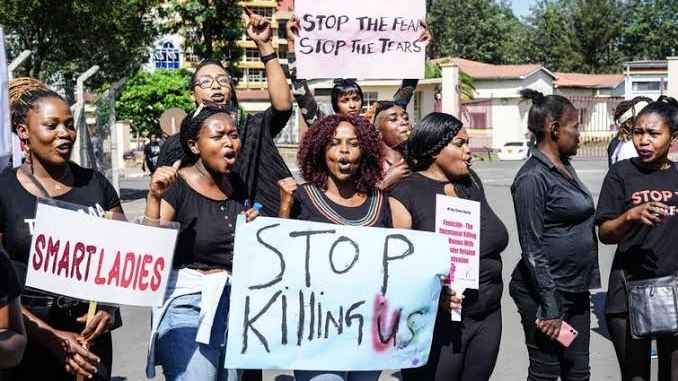
Photo Credit: SOPA Images/LightRocket via Getty Images
Kenyan women are denouncing femicide
By Dennis Weche
The recent wave of femicides in Kenya, with 97 women tragically killed over the past three months, highlights the urgent need for decisive state action to protect women. Femicide, the killing of women based on gender, reflects not only the personal violence inflicted on individual women but also the broader issues within society and its institutions. Tackling this crisis calls for a multifaceted approach, and Kenya can draw from the successful strategies of other nations that have managed to reduce femicide rates.
One effective approach is to recognize femicide as a distinct crime category, treating it not merely as homicide but as a gender-specific offense often driven by power dynamics, control, and misogyny. Argentina, for instance, responded to an alarming rise in femicide by creating specialized law enforcement units and enacting enhanced legal frameworks after public demand surged through the Ni Una Menos (Not One Less) movement. This movement succeeded in driving legislative change by emphasizing the need for swift justice and enhanced protections for women at risk. Kenya could similarly benefit from tailored legislation, imposing penalties that align with the unique gravity of femicide.
Countries like Spain and Italy have demonstrated that establishing specialized judicial frameworks can drastically improve femicide case outcomes. Spain’s 2004 Organic Law on Integrated Protection Measures against Gender Violence set up dedicated gender courts with specialized personnel trained to handle gender violence cases. Italy has adopted a similar approach through the “Red Code” law, which fast tracks cases of violence against women to prioritize their safety. These legal frameworks streamline processes, minimize trauma for survivors, and ensure that cases are managed by professionals trained in gender sensitive approaches.
France, grappling with a spike in femicides, declared it a national emergency and enacted several critical protective measures, including strict restraining orders and increased emergency shelters. This emergency declaration created a national mandate for immediate intervention. Similarly, Mexico has established gender based crime units and a national femicide database to better track cases and provide transparency, which encourages public accountability and enables law enforcement to direct resources effectively. Kenya, too, could implement transparency measures to highlight high risk areas and facilitate a more efficient law enforcement response.
Alongside legal reforms, shifting harmful societal norms through community education and awareness campaigns is crucial. Societal change, backed by supportive resources for survivors, can help reduce violence against women by cultivating an environment that rejects violence as normal or acceptable. By prioritizing these reforms, Kenya can move toward a society where women are safeguarded from violence, allowing them to live free from fear.
Kenya’s journey to end femicide requires commitment, and by drawing from global successes, the country can implement a strategy that emphasizes women’s safety and a strong, accountable legal system. Ending femicide is not a simple task, but it’s one that Kenya can and must achieve for a future where every woman can live without fear.
The writer is a Communication officer at Kakamega County Youth Service and Women Empowerment Programme (CYSWEP)
- Peace & Security
- Gender-based Violence
- Girl Power
- Shout Your Vision
- Global