
Accessing quality healthcare, for women in rural areas and underserved community
Oct 6, 2025
update
Seeking
Connections

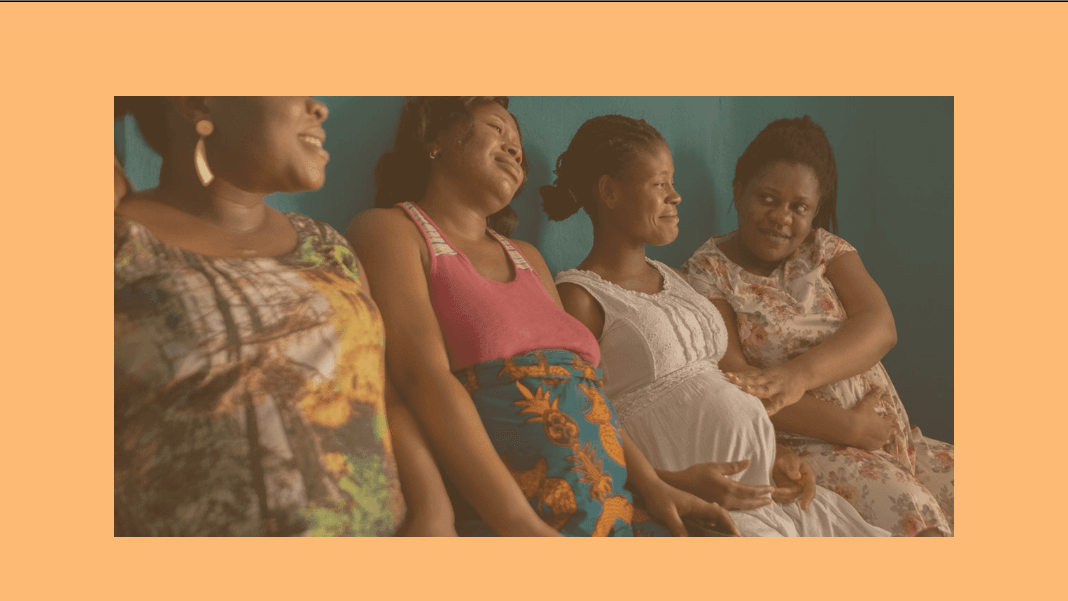
Our initiative aims to improve access to antenatal care for young girls and women aged 10-25 in rural areas and underserved communities during the first trimester by offering health education, medical services, and emotional support, we strive to ensure healthy pregnancies and positive outcomes for both mothers and babies. Over the past six months, we have reached over 500 young girls and women, providing essential antenatal care services and resources. In addition, our partnership with local health clinics has led to a 20% increase in early antenatal care registration among our target beneficiaries, limited transportation options and societal stigma surrounding early pregnancies such as providing finances for their test such as Chlamydia (IgM and IgG): Testing for Chlamydia antibodies (IgM and IgG) helps detect past or recent infections and assess the need for treatment.
2.Gonorrhea testing is important for identifying and treating infections, which can cause complications during pregnancy and delivery.
3. HIV: Early detection and treatment of HIV in pregnant women can help prevent mother-to-child transmission and ensure appropriate care.
4. Syphilis screening is crucial as it can lead to severe complications during pregnancy and cause congenital syphilis in newborns if left untreated.
5. Hepatitis B and C: Testing for Hepatitis B and C is essential, as both can be transmitted from mother to child during pregnancy or delivery, potentially causing serious health issues.
6. Blood type, Rh factor, and antibody screening: These tests determine the mother's blood type, Rh factor, and potential antibodies, which can help identify and manage incompatibilities between the mother's and baby's blood.
7. Pap smear: A Pap smear screens for cervical cancer can help detect precancerous changes in the cervix, enabling early intervention.
8. Urine tests: This is check for signs of urinary tract infections, protein levels, and glucose levels, which can indicate potential health concerns during pregnancy.These tests are important components of comprehensive antenatal care, ensuring the health and well-being of both mother and child throughout the pregnancy and beyond have presented obstacles for some beneficiaries. To address these challenges, we've partnered with local community leaders to raise awareness and are exploring options for mobile clinics to reach remote areas. One beneficiary, a 16-year-old girl, shared that our program has not only provided her with crucial medical care but also has given a support network during her pregnancy. Stories like hers remind us of the life-changing impact of accessible antenatal care. In the coming months, we plan to expand our services to three additional communities and launch a peer support program for young mothers. These initiatives will allow us to assist even more girls and women while fostering a sense of community and empowerment. We invite you to join us in our mission to ensure every young girl and woman receives the antenatal care they deserve with your support, whether through financial contributions, volunteering, or spreading awareness, can make a significant difference in the lives of these mothers and their babies.
Access to comprehensive antenatal care, including these tests, can be a challenge for some women, especially those living in rural or underserved areas, financial barriers are a significant factor, as the cost of these tests and related medical services can be prohibitively expensive for some women. Furthermore, transportation, cultural or societal stigmas, and limited healthcare infrastructure in rural communities also make accessing these services difficult. Providing financial and logistical support to pregnant women, particularly those in rural areas, can greatly alleviate these barriers and ensure they receive the care they need to maintain healthy pregnancies and positive outcomes for themselves and their babies. Such support involve partnerships with local healthcare providers, outreach programs, and advocacy efforts to improve healthcare infrastructure and accessibility in rural communities.
- Leadership
- Human Rights
- Education
- Positive Masculinity
- Gender-based Violence
- Health
- Girl Power
- Peace & Security
- Environment
- Arts & Culture
- Economic Power
- World Pulse Changemakers Lab
- Digital Ambassador Events
- Peace for Cameroon
- Shout Your Vision
- Future of Security Is Women
- Our Impact
- Survivor Stories
- Sexual and Reproductive Rights
- Peace Building
- HIV/AIDS
- Spirit Awards
- Collaboration Stories
- Africa