
🇮🇳🇺🇸 The Reproductive Health Journeys of Indian Immigrants in the US
Mar 20, 2025
initiative
Seeking
Action
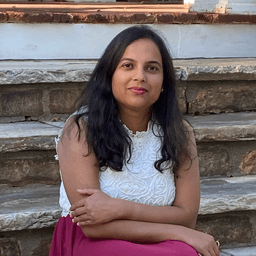

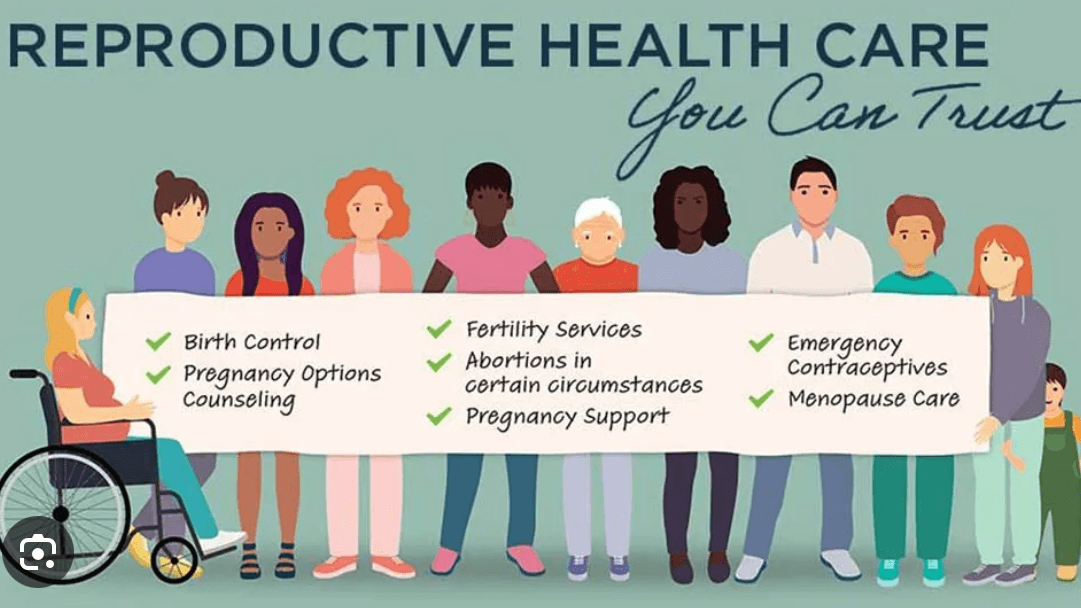
When I first began my PhD research, I knew I wanted to explore a topic that was deeply personal, socially significant, and often overlooked—how Indian immigrants in the U.S. navigate reproductive health, fertility, and family planning in the context of cultural expectations, stigma, and information-seeking behaviors.
For many immigrants, reproductive health is not just a medical journey—it’s a cultural and emotional one. It is shaped by deep-rooted traditions, family influence, societal expectations, and the challenge of adapting to a new healthcare system. Through my research, I aim to shed light on the silent struggles, resilience, and resourcefulness of Indian immigrants as they seek information and make critical health decisions.
🌍 The Complexity of Seeking Reproductive Health Information
One of the most striking aspects of my research is the information gap that Indian immigrants often face when navigating fertility and reproductive health in the U.S.
Many grew up in an environment where discussions around fertility, menstruation, and reproductive choices were taboo—spoken about in whispers or avoided altogether. But in the U.S., they suddenly find themselves in a healthcare system where patients are expected to advocate for themselves, make informed decisions, and navigate complex medical options without strong cultural guidance.
So, where do they turn?
- Online platforms and social media 🌐, where they can access information but often face misinformation.
- Community networks and family circles 👨👩👧👦, where traditional views on fertility and motherhood may sometimes conflict with modern medical advice.
- Technology-driven support systems 📱, such as fertility apps, online forums, and telemedicine, which are playing a growing role in bridging the knowledge gap.
💬 The Weight of Cultural Expectations
For many Indian women, reproductive health isn’t just a personal matter—it’s a family and societal issue.
💠 The pressure to conceive soon after marriage.
💠 The stigma around infertility and assisted reproductive technologies like IVF.
💠 The influence of family members in reproductive decision-making.
These cultural factors deeply affect how individuals seek care, what treatments they consider acceptable, and how open they feel discussing their health challenges.
Through my interviews, I have heard stories of women hesitant to seek fertility treatments because of fear of judgment, and of men struggling with the stigma of male infertility in a culture where fertility is often seen as a woman’s responsibility.
This interplay between tradition and modern healthcare is what makes the reproductive health journeys of Indian immigrants so unique—and so important to understand.
🚀 Technology as a Game-Changer in Reproductive Health
One of the most exciting aspects of my research is exploring how technology is transforming the way Indian immigrants access reproductive health support.
🔹 Fertility tracking apps are helping women understand their cycles, giving them more autonomy over their reproductive choices.
🔹 Telemedicine consultations are providing a sense of privacy and reducing the discomfort of discussing sensitive topics in person.
🔹 Online communities are creating safe spaces for Indian immigrants to ask questions, share experiences, and support one another—something that may not always be possible in traditional family structures.
Technology is not just bridging the information gap—it is redefining agency, autonomy, and access to care for Indian immigrants who are navigating reproductive health in a new cultural landscape.
✨ Why This Research Matters
This research is not just about reproductive health—it’s about identity, adaptation, and the ways in which culture shapes our most personal decisions. It is about understanding the barriers that prevent access to reproductive care, challenging stigmas that silence conversations, and identifying ways to create more inclusive, culturally sensitive healthcare solutions.
As I continue my PhD journey, I hope my research can:
✅ Amplify the voices of Indian immigrants navigating reproductive health in the U.S.
✅ Highlight the role of technology in supporting informed decision-making.
✅ Advocate for culturally competent healthcare solutions that respect tradition while embracing modern care.
This is more than an academic pursuit—it is a mission to bring visibility to untold stories and drive meaningful change in reproductive healthcare for immigrant communities.
💜 If you are an Indian woman between 18 and 49 years of age, living in the US, tried to conceive using IUI, IVF or other fertility treatments, had any other reproductive health challenges while trying to conceive you would be eligible to participate in my research study. If you are interested in sharing your story please reach out to me at aksh4u@gmail.com.
#ReproductiveHealth #IndianImmigrants #PhDResearch #WomenInSTEM #HealthcareTech #WorldPulse
- Technology
- Health
- Internet Access
- Sexual and Reproductive Rights
- Northern America