
Threads of Digital Dawn; Cyber peace for women
Oct 27, 2025
story
Seeking
Visibility


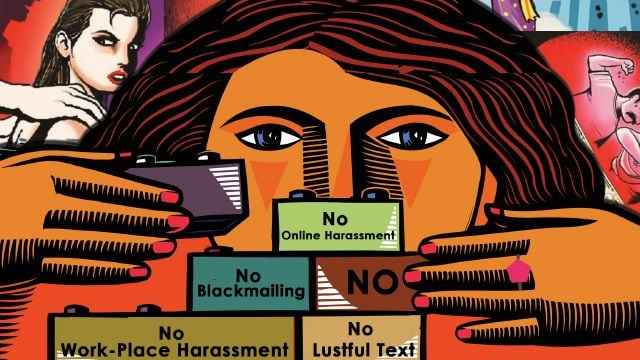
Photo Credit: google
Protect against cybercrime
A 21 year old, bright & bold university student in Lahore, Amina never imagined that the device she trusted most—her phone—would become the fault line that tore her life apart.
It began as messages that seemed flattering and persistent: a man claiming to be a recruiter who praised her portfolio and offered freelance work. The messages shifted after a week into demands: private photos sent to a number, promises of a job if she complied, threats if she didn’t. When she refused, screenshots of past conversations were doctored, images were circulated to accounts that tagged friends and family, and anonymous pages popped up with her picture and lies about her character. A video file appeared in a group she had once joined for tech talks; it was edited to humiliate her. The harassment moved across platforms so quickly that blocking one account only revealed another. The torrent was not just digital; it seeped into real life as classmates whispered and her fiancé also broke engagement. The surfaces for sanctuary—the home she loved, the university corridors she walked—both felt porous.
At first Amina responded as many of us do: she froze, tried to delete content, and shut her accounts down. She called a sister who told her not to answer unknown numbers and to keep quiet until it passed. But silence was not protection; silence only allowed perpetrators to define the narrative. The harassment escalated into extortion. Payment was demanded to remove content; when she refused, the spread accelerated. Her sleep vanished and anxiety grabbed her fully.
The turning point arrived unexpectedly, in a small office where lights hummed and a young counsellor listened without interruption. A friend insisted to call the gender-sensitive helpline run by a local digital rights organization and, with shaking hands, Amina dialed. The helpline worker guided her through immediate steps to preserve evidence, explained takedown procedures, and helped her file a report. For the first time since the messages started, someone named the crime for what it was—online sexual harassment and cyber extortion—and offered concrete remedies rather than platitudes. Amina learned she was not alone: the helpline documented dozens of similar cases, and many callers were women who had been pushed into silence by shame, stigma, or ignorance about legal options.
Learning the law reshaped her next moves. She discovered that Pakistan’s legal framework around cyber harassment and online violence was evolving, that there were laws on the books intended to protect women, and yet enforcement and awareness lagged behind the reality on the ground. That gap was itself a kind of violence: laws that exist but remain inaccessible feel like promises broken. Amina realized that her story was not merely a private wound but part of a public pattern—an expression of power exercised through technology over those already vulnerable to social sanction. This shift—seeing her experience as civic, not just personal—stoked her resolve.
Filing the complaint was both formal and intimate. The police officer’s initial confusion gave way to referral; a specialized unit finally took up the cyber file, and the unit helped map the chain of accounts and transactions. The takedown requests began to work in small, specific ways: some posts were removed, some accounts were suspended, and a payment trail led investigators to a ring of individuals who trafficked manipulated content for profit. The arrests were not instantaneous nor perfectly comprehensive, but they mattered. Each legal step became a ray of hope for Amina.
Equally important was the community that gathered around her. Online activists amplified her story, not for spectacle but to highlight systemic problems with cyber safety and to teach practical prevention. Fellow women in tech organized workshops about secure messaging, privacy settings, and how to support survivors. University professors revised classroom norms to include digital consent discussions. At a public forum, Amina spoke through a trembling voice about being hunted across apps, about the moment she considered dropping out, and about the small victory of reclaiming her login. People listened. Policies that had been theoretical began to be discussed with more urgency: helplines, school curricula, and gender-sensitive police training moved from scarce pilot projects to topics in municipal meetings.
The personal cost persisted. Reputation bruises heal slowly, relationships had been altered, and the psychological scars were real. Yet the experience also transformed Amina’s view of peace. Peace was no longer only a private condition of quiet and safety at home; it was a public environment in which technology, law, and community combined to protect dignity. Peace meant that digital spaces should be as regulated and resourced as physical ones, that privacy was not optional, and that survivors should find competent, compassionate support rather than blame. The violence she endured revealed how fragile peace can be when new technologies outpace social norms and legal mechanisms, and it taught her that lasting peace requires active, systemic care.
She returned to her studies and rebuilt her online presence with new boundaries. She co-founded a campus group dedicated to cyber safety education and helpline training, insisting that other young women would not find themselves unaided. Her work expanded from coding to advocacy: designing apps that anonymized reporting, building community protocols for immediate support, and training local police on evidence preservation. Amina’s leadership was not theatrical; it was the steady labor of someone who had been harmed and decided to build scaffolding so others could recover faster.
Years later, when she walked the university corridor, students approached her not with pity but with questions and plans. She had shifted from victim to a vector of change. The memory of the harassment remained, like an old scar that tightened when faced with similar triggers; yet it no longer defined her entire story. The moment of injustice had widened, paradoxically, into a space of public advocacy and collective protection.
What peace meant to her was transformed: it was no longer a simple refuge to be found but a shared responsibility to create, defend, and extend safety so that more girls could learn, laugh, and work without fear.
- Peace & Security
- Digital Skills
- Caring for Ourselves
- Our Impact
- Stronger Together
- Peace Is
- Global