
A New Era in HIV Prevention: Four Game-Changing Advances from HIVR4P 2024
Nov 14, 2024
story
Seeking
Feedback


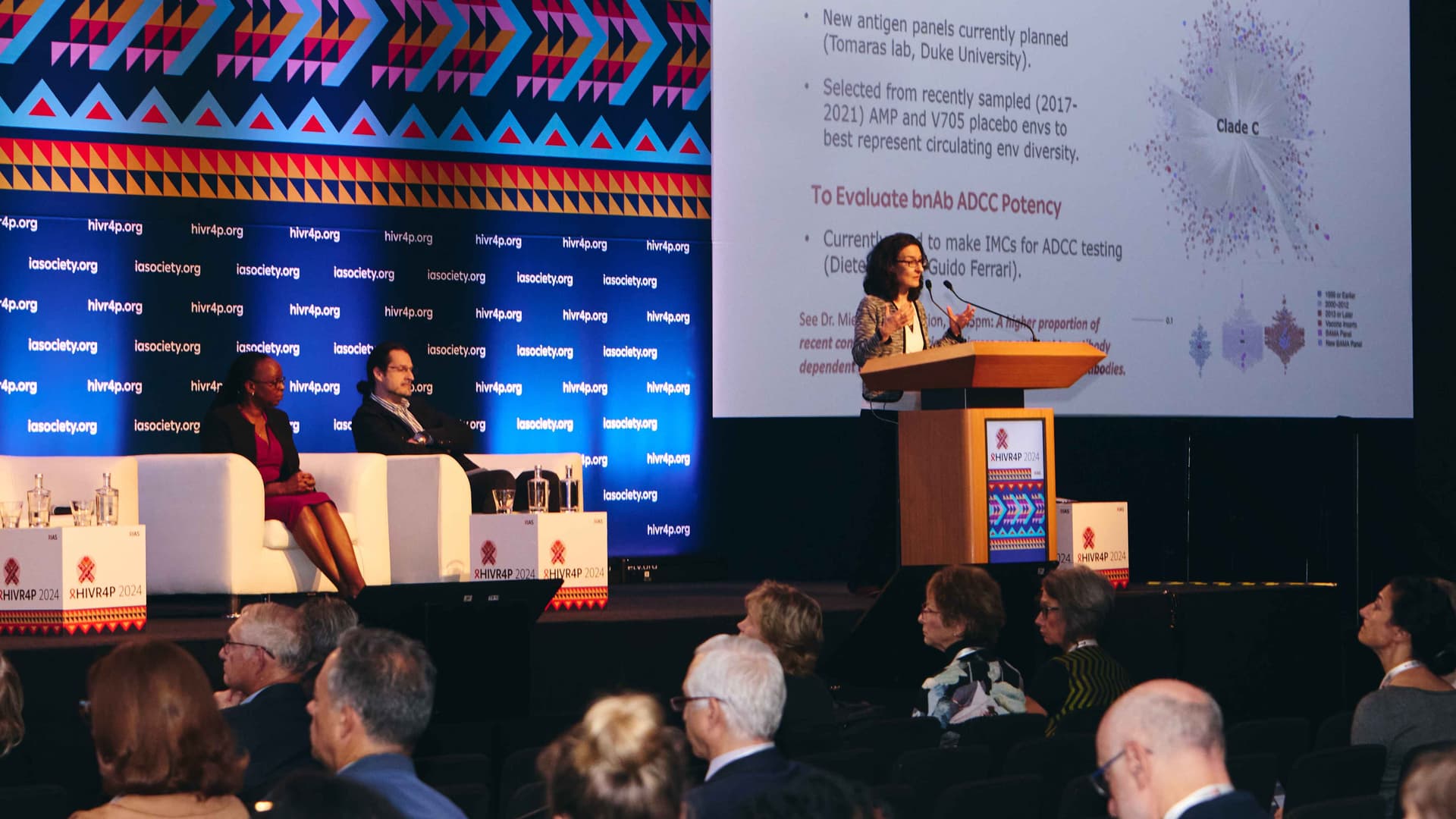
Photo Credit: Courtesy of International AIDS Society(IAS)
In Lima, Peru, the energy was palpable as more than 1,300 scientists, advocates, policymakers, and community representatives gathered in person and virtually to discuss the future of HIV prevention. This year’s HIV Research for Prevention Conference (HIVR4P 2024) organized by International AIDS Society was a landmark event, spotlighting groundbreaking advancements in HIV prevention science. Delegates, including 203 scholarship recipients, will now carry insights from the conference back to over 50 countries, impacting 40 professions and more than 180 organizations worldwide.
Key Highlights from HIVR4P 2024
Long-Acting Prevention Options – A Transformational Step
One of the most exciting breakthroughs presented was the development of long-acting HIV prevention options. Long-acting injectables, which offer a discreet alternative to daily medications, hold promise to transform global HIV prevention. Among these, the twice-yearly injectable lenacapavir emerged as a “game changer.” Data from the PURPOSE 2 trial showed only two HIV acquisitions among 2,179 participants receiving the injection every six months, underscoring lenacapavir's potential to significantly reduce transmission risk. This trial focused on men who have sex with men and transgender women in regions as diverse as Argentina, South Africa, and the United States. Meanwhile, the earlier PURPOSE 1 trial had demonstrated lenacapavir’s 100% efficacy in protecting over 5,300 cisgender women and adolescent girls in South Africa and Uganda. While the injection’s potential is groundbreaking, advocates emphasized that accessibility remains a hurdle, particularly in low-income areas, and called for greater affordability to ensure widespread adoption.
Expanding PEP and PrEP Access – Bridging Gaps in Prevention
Addressing challenges in scaling post-exposure prophylaxis (PEP) and pre-exposure prophylaxis (PrEP) access, especially in Latin America and Africa, was a recurring theme at HIVR4P. Sessions highlighted innovative, differentiated service delivery (DSD) models designed by young investigators to make these prevention tools more accessible.
The session “Differentiated PEP and PrEP – reaching more people with HIV prevention services using DSD” shared impactful strategies for reaching those who are often left behind, aligning with the WHO’s guidelines while adapting to country-specific needs. By reimagining PrEP and PEP delivery, these models promise to widen HIV prevention access for millions worldwide.
Empowering Through Choice– Ensuring HIV Prevention Meets Diverse Needs
Throughout the conference, speakers underscored the importance of choice in HIV prevention.
The HIV Prevention Choice Manifesto for Women and Girls in Africa championed a tailored approach, emphasizing that diverse and adaptable prevention options allow individuals to make informed decisions that align with their evolving needs. Flexible options empower communities, particularly women and girls, to navigate prevention at various life stages, providing a pathway to greater health agency and resilience.
Pursuing the Ultimate Goal – HIV Vaccines and Broadly Neutralizing Antibodies (bNAbs)
While significant progress has been made in prevention, the absence of an effective HIV vaccine
remains a critical gap. Scientists presented promising advances in vaccine research, with innovative approaches aiming to develop vaccines that elicit broadly neutralizing antibodies (bNAbs), which could help prevent infection. Although active immunization has yet to achieve bNAb elicitation, the use of bNAbs is gaining traction in HIV prevention, particularly as concerns over drug resistance grow. The session “Quo vadis: Future design and conduct of vaccine and bNAb clinical trials” delved into the complexities and ethical considerations of advancing this research, emphasizing the need for community involvement and inclusive trial design.
Looking Ahead
HIVR4P 2024 has illuminated an optimistic path forward, marked by scientific advances and a
shared commitment to equitable access. As delegates take these insights back to their communities, the hope is to accelerate HIV prevention worldwide. The global community’s commitment to innovation, accessibility, and empowerment suggests that we are closer than ever to a future free from HIV.
- HIV/AIDS
- Global