
A soft invisible light
Jul 14, 2025
first-story
Seeking
Encouragement


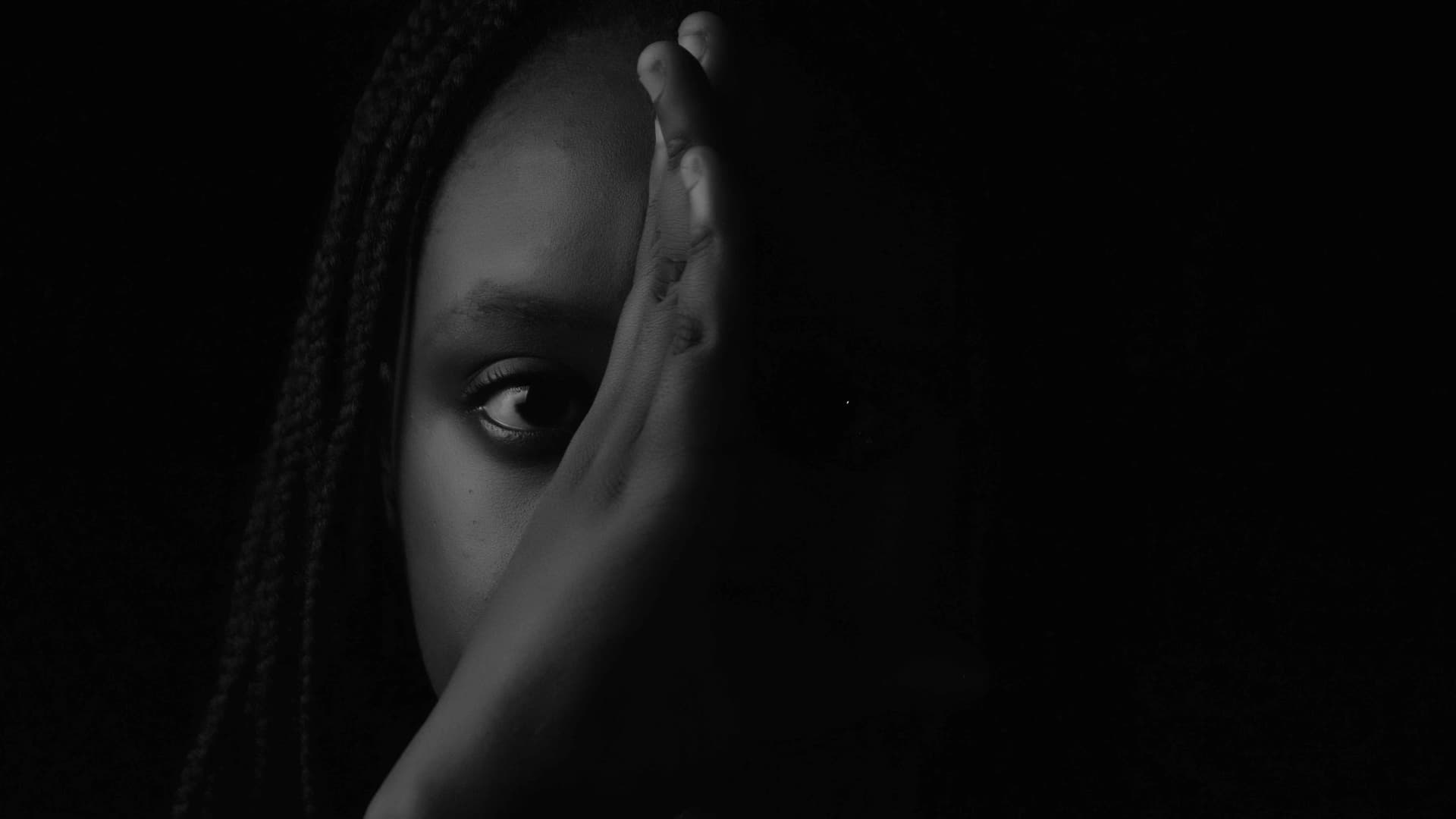
Photo Credit: un splash photos
By the age of thirty, Mariam had come to accept that her childhood home was beautiful and that it was not kind to her spirit.
To those outside her world, her family was the epitome of comfort; her father, a respected farmer and businessman, and her mother, an industrious businesswoman, were mostly referred to as “Madam.” Their house is the most visible in the village because of its beautiful architectural appearance. Yet within the walls, Mariam felt unseen and unheard, while her elder brothers roamed like little monarchs. She was the invisible child, toiling hard enough that her efforts seemed insufficient.
By seven, she had learnt to look after her baby sister and the rest of her siblings, cooking food for them and ensuring that it's ready and served on time, changing nappies, tidying the house, and stirring the evening porridge. If a guest praised her, her mother would smile politely, then say, “She acts helpful, but she’s lazy.” If she tried to slip away to do the things she loved, her brothers would mock her until she cried in private. Sometimes her mother slapped her for being too slow to act on things.
In that house, no one ever asked how she felt. And in that generation, no one spoke of mental health.
When sad, you'd be called lazy.
Anxiety was “spoiled behaviour.”
Depression was something buried deep, only to resurface in silence or sickness.
But Mariam felt it all. And because no one helped her name it, she vowed to understand it herself.
By the time she got to university, she had a hunger for books, psychology, and human behaviour. She began recognising herself in trauma case studies. She found language for what she had endured emotional neglect, invisible labour, childhood invalidation. Her friends called her a natural. Even strangers said they felt “safe” around her.
She is now a reputable mental health practitioner. Married. She is a mother of one. She withstood more than she lets on; however, she still does.
Her clients sit across from her, eyes heavy with modern struggles: work pressure, burnout, toxic relationships, identity confusion. And Mariam listens with compassion, with wisdom drawn from both books and battle scars. She is well aware of what it's like to be hurt subtly and still be there. To conceal your wounds while aiding others in their healing.
But who helps Mariam?
At first, no one. Because she doesn’t ask.
Not out of pride, but habit.
She still believes somewhere deep inside that her pain must wait until others are better. She tells herself, “I can handle this. I’ve been through worse.”
Until one day, her sister, who had visited, finds her sitting in the dark kitchen. She doesn’t speak. She can’t. But he doesn’t fill the silence with questions. He just pulls up a chair, holds her hand, and says, “You don’t always have to be the strong one.”
And in that moment, the truth slips through her defences:
Even healers need healing.
Even caretakers deserve care.
She begins therapy soon after. Not as a result of the wounds of her past but because she’s human. Since the process of healing should include the self.
Sometimes her healing comes through her sisters, who are now aware and understand what they all lived through. Sometimes, through a friend who calls her out of nowhere just to ask, “Are you eating well?” Sometimes, through her son, who wraps his arms around her legs and says, “You’re the best, mama.”
Healing, she learns, is not a grand event. It is a thousand small moments of being seen, being held, being heard.
In the past, people hid their struggles because culture taught them that silence was strength and that to be vulnerable was weakness. Today, people speak, post, write, but still feel alone because they think healing must be instant, aesthetic, or linear.
Mariam knows better now. Healing is chaotic, erratic, and above all, relational.
And when she sits across from her clients, she no longer tries to save them. She simply meets them where they are. Being someone who’s still walking the path herself.
Because sometimes, the person who helps you is not the one with all the answers
But the one who stays with you long enough to help you ask the right questions.
And Mariam, for all her quiet strength, is finally learning to ask those questions, too. For herself.
The cycle didn’t just end with her.
It is being rewritten with compassion, support, and optimism.
- First Story
- Global