
Adapting to climate change
Apr 4, 2021
story
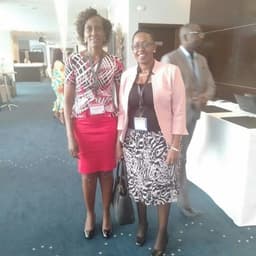

Faith lives in Makueni County, Kenya, a farmer by profession married, with five children and three grandchildren. Her parents were farmers, and she followed their footsteps.
Her husband purchased their land while working another job. He retired afterward. He helps out when needed.
Their farm is about 12 acres. She grows oranges, mangoes, beans, kale, and maize. That's their livelihood.
She has dedicated four acres of their land to cultivating maize. Her parents grew maize, and she has carried on the tradition for over 30 years.
Since she became a farmer, the climate has been changing and making it hard to grow crops. She used to plant crop seasons within predicted weather patterns.
Today, uncertain weather conditions make farming especially challenging. We can easily receive too much rain or the opposite, very little rainfall. Right now, less rain makes it hard to grow crops.
During the dry season when there is very little rain, she plants hybrid maize seeds that are drought tolerant.
She used to only plant local varieties, like recycled or farm-saved seeds, but those plants require a lot of rainfall to prosper. So now she grows both local and hybrid seeds in case weather conditions don’t go as predicted.
Hybrid seeds produce better yields in unexpected dry or water stress conditions. This advantage is why she will continue to plant hybrid seeds to increase her chances of better crops.
Climate change can bring other challenges to our farm.
Besides extreme weather, she also experiences destructive pests, like the fall armyworm. These caterpillars show up during dry conditions and can cause massive destruction to maize, especially young crops. It can affect our production. She thinks this is the main challenge she will face next season.
But if she can grow healthy yields in a season, her farm will feed her family and help her earn money.
The maize harvest takes a week to complete. She hires a farm hand to help and provide her with some of the foodstuff as payment.
She keeps some feed for her family, and then sell the rest at the nearby trading center. Good harvests allow her to pay for household needs or help with her grandchildren’s school fees.
Climate change brings uncertainty to our lives, but it’s still her dream to expand her farm to earn more money to lift up her family.
- Economic Power
- Environment
- Human Rights
- Shout Your Vision
- Africa