
Behencode
Aug 1, 2025
story
Seeking
Encouragement

Friends
Integrating the Unforgettable: What Grief, Friendship, and Storytelling Taught Me About Healing
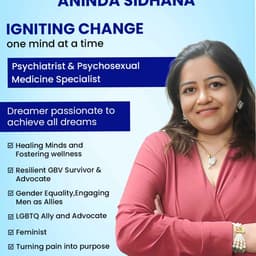
By Dr. Aninda Sidhana
Some experiences don’t pass through you. They stay. They shape. They settle into the bones of who you are—not as weights, but as witnesses.
As a survivor of gender-based violence, grief carved out a permanent space in my life. It didn’t come politely or quietly—it arrived as a tidal force, crashing through what I knew about safety, wholeness, and voice. For a long time, surviving meant silence. But healing? Healing taught me the language of power—and it didn’t come from textbooks.
It came from friendships. From chosen sisters. From behens who sat beside me when I couldn’t stand.
👭 The Architecture of Female Solidarity
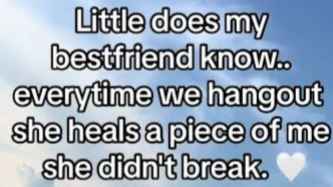
In the wake of trauma, female friendships became my medicine. These bonds weren’t just comforting—they were corrective. In a world that tried to isolate me, they offered radical belonging.
- Friends who listened without needing my pain to be poetic.
- Friends who didn’t push me to "move on," but asked: "What do you need right now?"
- Friends who made laughter a ritual, joy a rebellion, and healing a communal act.
This solidarity wasn’t casual—it was infrastructural. Late-night texts, shared silences, dancing through tears—it was through these gestures that I remembered myself.
💡 Healing is Biopsychosocial—Because We Are
As a psychiatrist, I studied mental health through clinical systems. But my own journey cracked that lens open. Healing isn’t just neurochemistry or cognitive shifts—it’s relational restoration.
- Biologically, trauma rewired my body. My nervous system didn’t trust peace.
- Psychologically, I wrestled with identity, safety, and self-worth. Therapy offered a path—but storytelling offered terrain.
- Socially, I found healing in connection. My female friendships became emotional scaffolding. They helped rewrite the inner script that said I was broken.
📖 Storytelling as a Science of Survival
Telling my story was terrifying. But it was also transformative. When I stopped hiding my pain, I began reclaiming my power. Sharing my truth—on paper, in therapy, in survivor circles—gave shape to the chaos.
Storytelling became more than catharsis. It became advocacy.
- It disrupted silence.
- It bridged clinical care with cultural nuance.
- It made healing personal, political, and public.
- It validated every survivor’s instinct: "I am more than my trauma."
---
💬 This Is the Work, and the Calling
Today, I advocate for care that sees the whole person. Not just symptoms. Not just diagnoses. But stories. Bodies. Bonds.
- I advocate for spaces that embrace female solidarity as medicine.
- For therapies that make room for rage, laughter, and cultural truth.
- For frameworks that honor grief—not as pathology, but as transformation.
Because healing isn’t linear. And it isn’t solitary. It’s rhythmic, relational, and revolutionary.
My story is not exceptional—but it is essential. As are the stories of countless others who rise through grief, who hold each other through silence, and who reimagine what it means to be whole.
This is a tribute to them—and to the friendships, truths, and narratives that carry us forward.
- Girl Power
- Human Rights
- Gender-based Violence
- Stronger Together
- Global