
Breaking Barriers in Overalls - A Woman’s Stand in the Pest Control Gap, By Maryben Omollo
Aug 7, 2025
story
Seeking
Connections

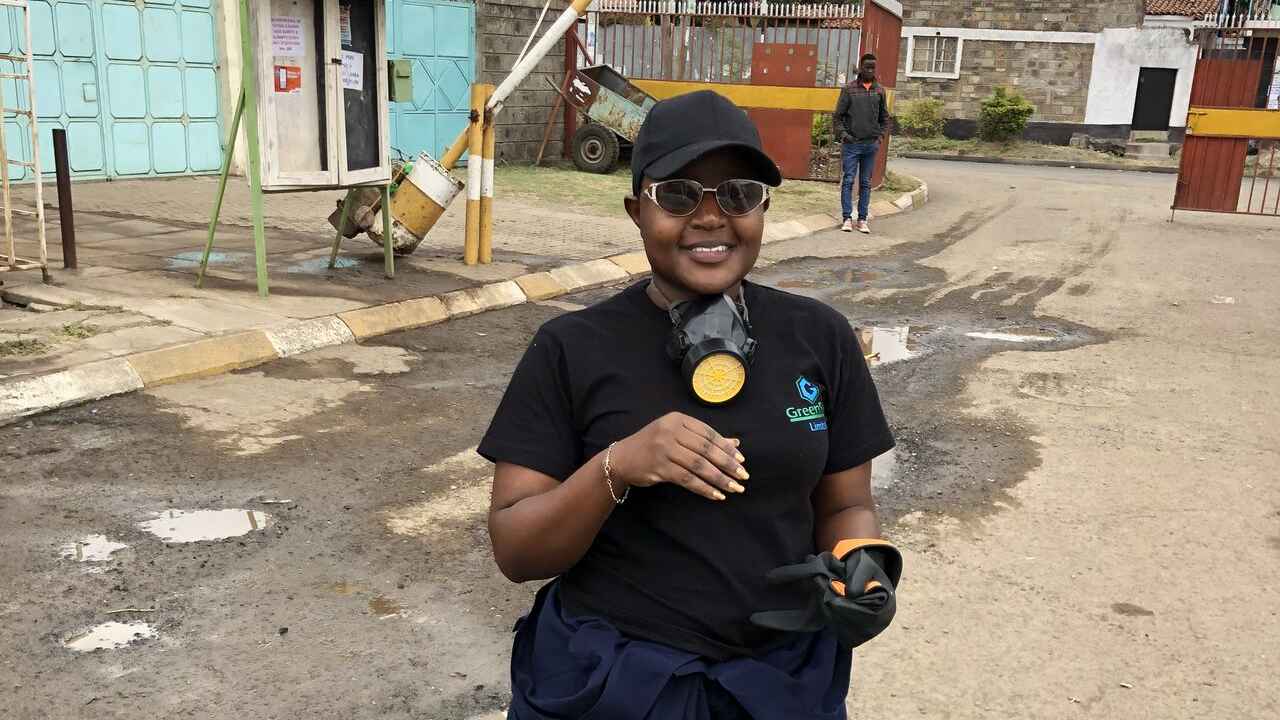
Photo Credit: Amb. Maryben A. Omollo, LinkedIn
The most powerful shift in Maryben’s journey wasn’t in her career — it was in her mindset. She learned that the first revolution happens in the mind. Once she stopped limiting herself, the world had no choice but to adjust.
Introduction: Challenging the Norms in a Male-Dominated Field
In many industries across Africa and beyond, gender stereotypes continue to shape expectations and limit opportunities. One such field is pest control — a profession often perceived as rugged, dirty, and inherently masculine. But Amb. Maryben Omollo, a young woman with a powerful voice and an unshakable sense of purpose, is rewriting that narrative. Her story is not just about fumigation and pest management. It’s about identity, mindset, and the courage to stand tall in spaces where women are often told they don’t belong.
Showing Up in Overalls
Maryben doesn’t just lead from behind a desk. She’s on the ground, actively involved in the work. She straps on her fumigation pump, dons her overalls and helmet, and walks into homes and businesses to do the job herself. But every time she arrives at a client’s location, she’s met with surprise — and often, scepticism. The disbelief is almost routine: “You’re the one doing the fumigation?” they ask. The assumption is clear — pest control is not a woman’s job. In meetings, the reaction is similar. Her presence as a young woman in a technical, male-dominated space is often met with doubt, dismissal, or outright discrimination.
The Emotional Toll of Bias
These experiences weren’t easy to navigate. In the beginning, the judgment and rejection hurt deeply. Being underestimated and overlooked simply because of her gender left emotional scars. She felt the sting of being treated as less capable — not because of her skills, but because of societal expectations. But instead of retreating, Maryben chose to confront the bias head-on. She realised that the real battle wasn’t just external — it was internal. It was about how she saw herself.
Reclaiming Identity: From “Just a Lady” to Human Being
The turning point came when Maryben shifted her mindset. She stopped defining herself by the label “lady” and started embracing her full humanity. She reminded herself that before gender, she was a person — capable, intelligent, and worthy of respect.
“I’m not just a lady,” she told herself. “I’m a human being.”
That realisation changed everything. It gave her the confidence to walk into any room, take on any task, and negotiate with anyone — not as a woman seeking validation, but as a professional owning her space.
The Trap of Self-Limiting Beliefs
Maryben warns against the danger of internalised limitations. Too often, women are taught to shrink themselves — to believe they must be submissive, agreeable, and deferential to authority, especially male authority. She challenges this mindset. The problem, she says, isn’t just how society sees women — it’s how women are conditioned to see themselves. When women start believing they need special consideration or permission to lead, they reinforce the very barriers they’re trying to break.
Her message is clear: stop asking to be seen as a woman in the room. Start showing up as a human being who belongs there.
Confronting Cultural Expectations
Maryben’s frustration is particularly pointed when it comes to traditional African societal norms. In many communities, women are still expected to remain in the background — to avoid leadership, decision-making, or assertiveness. She rejects this narrative. She believes that women have every right to sit at the table, to lead, and to be “alpha” if that’s who they are. The expectation that women must always be agreeable or submissive is not only outdated — it’s harmful.
“I hate the fact that in African society, just because you’re a woman, you’re not supposed to make decisions,” she says. “You’re not supposed to sit in high places with powerful people.”
But Maryben is doing exactly that — and encouraging others to do the same.
Point of Reflection: How Do You See Yourself?
Take a moment to reflect:
- Have you ever held yourself back because of how others might perceive you?
- Do you find yourself seeking permission to lead, speak, or take up space?
- What would change if you stopped identifying yourself by your gender — and started showing up as a capable human being?
Maryben’s story invites us to examine not just the external barriers we face, but the internal ones we carry. Because true empowerment begins with how we see ourselves.
The Lesson: Mindset Is the First Revolution
The most powerful shift in Maryben’s journey wasn’t in her career — it was in her mindset. She learned that the first revolution happens in the mind. Once she stopped limiting herself, the world had no choice but to adjust. Her story is a call to action for every woman who has ever been told she doesn’t belong. It’s a reminder that you don’t need to wait for validation. You don’t need to ask for permission. You are already enough.
Conclusion: Standing Tall in Any Space
Amb.Maryben Omollo is not just a woman in pest control. She is a leader, a trailblazer, and a voice for those who are still finding the courage to step forward. Her journey is proof that gender should never define capability. That overalls and helmets don’t belong to men alone. And that every woman has the right to stand tall — in any room, in any field, and in any role she chooses. “You’re not just a lady. You’re a human being. And that’s the truth.”
- Environment
- Leadership
- Girl Power
- Economic Power
- Youth
- Our Impact
- Global