
Breaking Barriers: Mental Health Stigma in Caribbean Communities
Apr 29, 2025
first-story
Seeking
Visibility
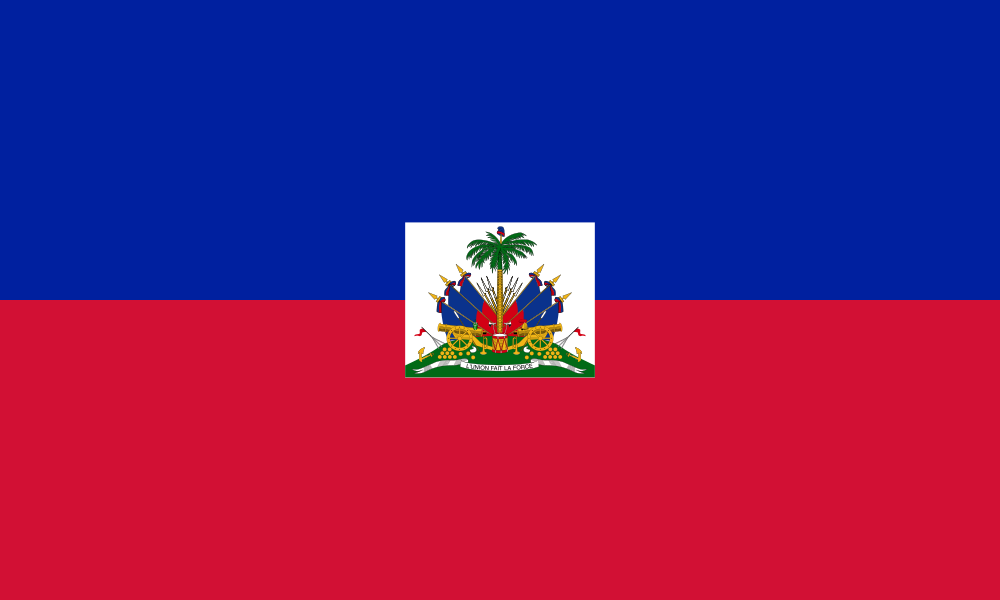
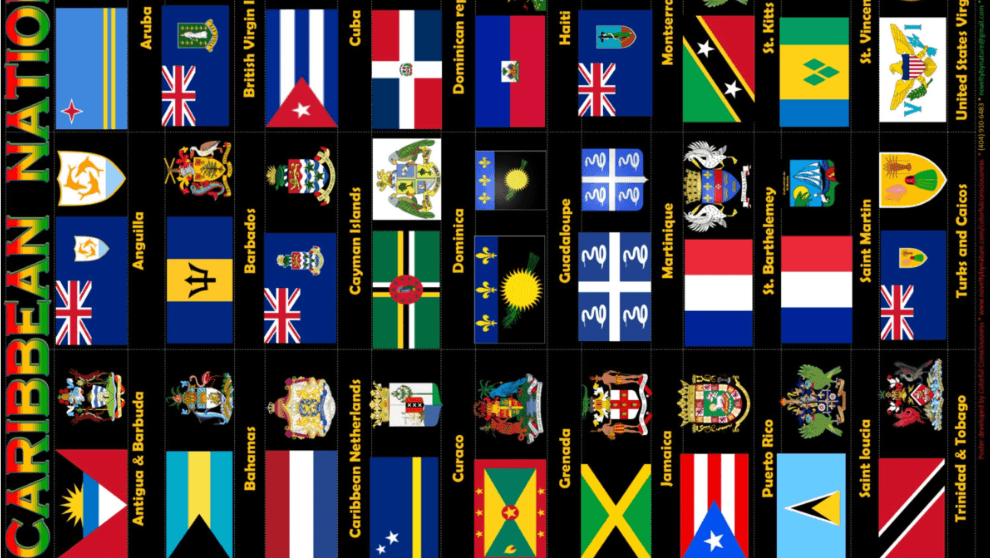
Mental health has always mattered—but in many Caribbean communities, it’s still too often misunderstood, silenced, or stigmatized.
As a Haitian woman, veteran, mother, and doctoral student in clinical psychology, I’ve seen firsthand how cultural beliefs, spiritual traditions, and generational trauma shape the way we view mental health. Growing up, I often heard that prayer could solve everything, that talking about depression meant you were weak, and that therapy was only for people who were "mad." These beliefs, while rooted in love and protection, have often caused real harm. They’ve left many of us struggling silently, believing we have to carry invisible burdens alone.
The stigma around mental illness in Caribbean populations—both here in the U.S. and back home—remains one of the biggest yet least talked about barriers to healing. It keeps so many from seeking the help they deserve, even when the pain becomes overwhelming.
Today, conversations about mental health are becoming more common worldwide, but there’s still a gap when it comes to Caribbean communities. Mental health struggles are often seen as personal failings, spiritual punishments, or signs of weakness. Generations have been taught to "tough it out" or "pray it away," leaving deep scars that often go unseen (Phillips & Abel, 2015).
Religion and spirituality offer incredible sources of strength for our communities, but sometimes, they’ve also been used to dismiss or minimize mental health challenges (Alleyne, 2021). When struggles are framed as a lack of faith rather than a health issue, it creates shame and isolation. Many internalize this stigma and avoid reaching out—until it becomes a crisis.
But psychology shows us that change is possible. Cognitive-behavioral theory teaches that the way we think shapes the way we feel and act (Beck, 1976). When we challenge harmful beliefs about mental health, we open the door for healing. And Bronfenbrenner’s ecological systems theory (1979) reminds us that to create real change, we have to look at the full environment: families, churches, schools, media, and policies. It’s not enough to help individuals—we need to transform the communities around them too.
Mass and social media have enormous power in this process. Even though I don’t personally use platforms like Instagram or X (formerly Twitter), it’s impossible not to see their influence. Through platforms like LinkedIn, I’ve witnessed how professional spaces can spark honest conversations about mental health and advocate for change.
Campaigns like #EndTheStigma have made a real difference—showing that when people share their stories openly, it chips away at shame and builds understanding (Clement et al., 2015). But outreach has to be done thoughtfully. Messages that don’t honor our culture can easily backfire. It’s crucial to work with trusted community voices—pastors, teachers, artists—who can deliver messages with authenticity and respect (Mahmud et al., 2022).
For Caribbean communities, promoting mental health awareness isn’t just about offering services—it’s about fighting for social justice. As psychologists, we aren’t just clinicians. We’re advocates, educators, and change-makers. We have a duty to challenge outdated ideas, dismantle barriers, and create environments where mental wellness is understood and celebrated.
Writing this blog—and reflecting on my journey—has reminded me just how powerful a single conversation, a single story, or a single post can be. Even in communities where stigma runs deep, small ripples can grow into waves of change.
We owe it to ourselves, our families, and our future generations to keep pushing forward. Healing starts when we break the silence—and every voice matters.
References
- Alleyne, B. (2021). Understanding mental health stigma in Caribbean communities: Challenges and solutions. Caribbean Journal of Psychology, 13(1), 24–35.
- Beck, A. T. (1976). Cognitive therapy and the emotional disorders. International Universities Press.
- Bronfenbrenner, U. (1979). The ecology of human development: Experiments by nature and design. Harvard University Press.
- Clement, S., Schauman, O., Graham, T., Maggioni, F., Evans-Lacko, S., Bezborodovs, N., ... & Thornicroft, G. (2015). What is the impact of mental health-related stigma on help-seeking? A systematic review of quantitative and qualitative studies. Psychological Medicine, 45(1), 11–27.
- Mahmud, A., Olander, C., & Patrick, R. (2022). Cultural competence and public health campaigns: Lessons from mental health outreach in diasporic communities. Journal of Community Psychology, 50(5), 1920–1936.
- Health
- Education
- First Story
- Latin America and the Caribbean