
BREAKING THE CYCLE WITH THE DIGNITY APP
Jul 27, 2025
initiative
Seeking
Visibility

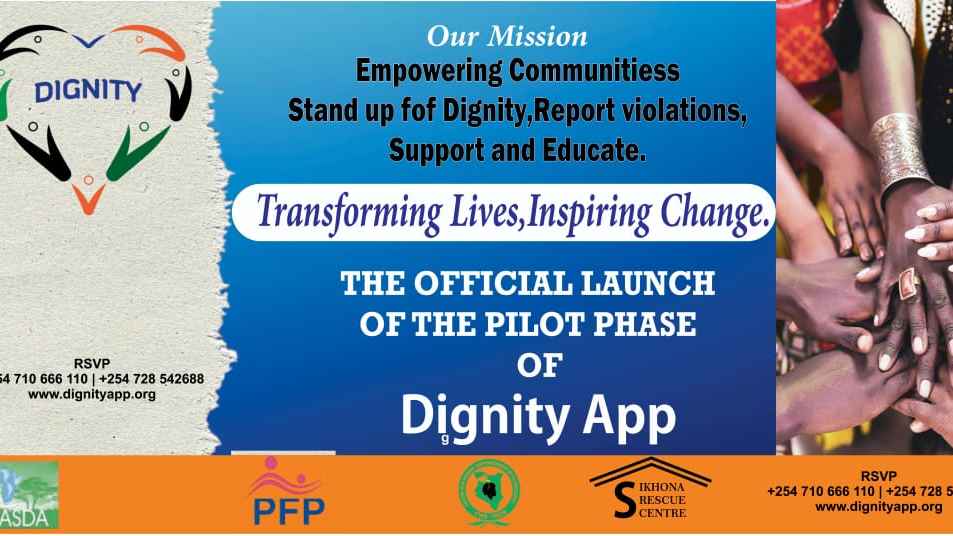
Photo Credit: Yvonne Anyango
Dignity App Consortium
Atieno* was only 12 years old, a bright-eyed Grade 6 pupil in a small village in Pala Homa Bay County, Kenya. She dreamed of becoming a nurse one day to help others, just like the kind lady who had once treated her younger brother at the local dispensary. But getting to school every day was a struggle. The walk was long, dusty, and sometimes unsafe.
That’s when she met Onyi, a 23-year-old boda boda rider (motorcycle rider) who started offering her lifts to and from school. At first, it seemed harmless and very kind gesture. Atieno, like many girls from rural, remote and low-income households, lacked lunch money or fare. Onyi's daily rides quickly became part of her routine. She didn’t know then that this small gesture would change her life forever.
Soon, the lifts turned into lingering conversations, small gifts, and eventually unwanted advances. By the time her teachers noticed changes in her attendance and performance, it was too late. Atieno had stopped coming to school regularly, often feeling sick and confused. She later learned she was pregnant and worse still, she had also contracted HIV. Her parents were devastated. The system had failed Atieno; no comprehensive sexuality education, no consistent school transport, and no one to notice the signs early enough.
Atieno’s story is not unique.
Kenya is currently grappling with what experts call the Triple Threat: HIV infections, teenage pregnancies, and gender-based violence (GBV). These three crises disproportionately affect adolescents and young women, especially in counties like Homa Bay, where HIV prevalence is among the highest in the country. For Atieno, the consequences were not just physical. Her dreams were derailed, her childhood stolen, and her health compromised; all because there was no protection from the structural vulnerabilities she faced daily.
Yet, her story also ignites a call for action: for stronger community protection, accessible youth-friendly health services, safe transport systems, and education that empowers girls to protect themselves.
THE DIGNITY APP......
If a tool like the Dignity App had existed when Atieno* needed it most, her story might have taken a different turn.
Caught in the grip of the Triple Threat of HIV infection, teenage pregnancy, and gender-based violence — Atieno never had a safe place to ask questions, report her growing concerns, or seek help without fear of judgment. There was no hotline she could call, no confidential service to guide her when the man she trusted began to cross boundaries. The silence around sexual and reproductive health in her rural school, the lack of immediate medical or psychosocial support, and the fear of shame sealed her fate too early.
In response to cases like Atieno’s, a consortium of four organizations: the Centre for Women Empowerment in Technology (CWE-TECH), the Cooperation Arena for Sustainable Development in Africa (CASDA), Power for the People Africa Trust (PFP), and Sikhona Rescue Center — has come together to develop and deploy the Dignity App, FOLLOW MORE HERE: https://dignityapp.org/index.html.
This mobile digital platform is designed to provide real-time access to essential services for adolescent girls and young women across Homa Bay, Kisumu, Kajiado Counties and entire Kenya, eventually to the region/continent— areas affected by the Triple Threat. Through the App, users like Atieno can access:
• Accurate sexual and reproductive health (SRH) information
• Emergency reporting channels for gender-based violence
• Direct links to health providers for HIV testing, counseling, and maternal care
• Confidential support systems, all free from stigma or discrimination
Had the App been in place, Atieno could have received immediate counseling when the rides became unsafe. She could have reported her abuser discreetly. She might have accessed contraception, accurate SRH education, or simply received the emotional support to speak out before it was too late.
Now, with the Dignity App being introduced through this collaborative consortium, the next generation of girls like Atieno have a fighting chance. A chance to be informed. To be heard. To be protected.
Because no girl should have to walk the path Atieno did especially when technology, community, and care can converge to offer her dignity, choice, and a future.
About the Pilot Phase and Testing
The pilot phase, officially launched in July 2025, is being rolled out across select sites in Homa Bay, Kisumu, and Kajiado Counties, targeting adolescent girls, community Health Promotors, school stakeholders, healthcare providers, and community-based organizations. The testing phase includes:
• User Experience Testing: Evaluating ease of access, content clarity, and safety features for adolescent girls using the app.
• Content Validation: Ensuring that SRH content is age-appropriate, culturally relevant, and medically accurate.
• Referral System Simulation: Testing how well the App links users to local clinics, GBV rescue centers, and psychosocial support.
• Feedback Loop Design: Engaging girls, parents, teachers, and health workers in giving structured feedback to enhance app design.
Anticipated Outcomes (First 6 Months)
Over the next six months, the consortium anticipates the following outcomes from the pilot phase:
1. Reach & Engagement: At least 5,000 users will download and interact with the app, with a measurable increase in help-seeking behavior.
2. Improved Knowledge: Users will demonstrate increased understanding of SRH rights, HIV prevention, and GBV response options.
3. Refined Design: Feedback from users and field testers will inform the improvement of app features before national rollout.
4. Strengthened Referral Networks: The app will successfully link users to a pool of at least 50 verified service providers including clinics, helplines, and rescue centers.
5. Community Readiness: Community gatekeepers, such as chiefs, parents, and teachers, will be sensitized and ready to support app-based interventions.
Looking Ahead
Had the Dignity App existed when Atieno was in need, she might have been spared the trauma and isolation she endured. But with its anticipated rollout in 2026, the app now stands as a beacon of hope for thousands more like her — a silent guardian, a pocket companion, and most importantly, a bridge to protection, dignity, and a future full of promise.
*Name changed to protect identity.
- Education
- Health
- Technology
- Gender-based Violence
- Training - Measuring Your Impact
- Global