
Bringing Justice to Women Through Words
Jan 21, 2015
story
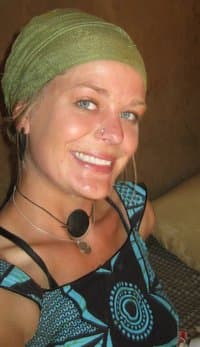

It was a slow realization that gender is an integral part of my identity, that connecting with women is a key to the change I seek. At eight years old I wanted to write. In high school I wanted to see the world. In college I wanted to change it. Then I found myself on a plane to Mali, West Africa, to join the Peace Corps.
I quickly saw that in Mali, to make change, you work with women. If you work in agriculture, you find women in the fields. If you want to promote savings, it's women who won't squander money. Health? Women. Education? Women. It is women who are in touch with their communities and effective in implementing change. But men hold the managerial and political positions, all the authoritative roles. Women don't even have the right to own land in Mali. What surprised me most was many women I met seemed resigned to, if not content with their roles.
This made me take a look at my own identity, at what my gender had and had not afforded me. A recent Harper's article declared that women in the US, my home, have finally tipped the balance-- we now outnumber men as entrepreneurs, in universities and many job markets. But spousal abuse and sexual assault remain rampant, and top ranked jobs as CEOs, politicians and doctors are still overwhelmingly male.
Women everywhere are fighting for the same empowerment, we just don't know it.
My aunt sent me a World Pulse magazine last year. It gathered dust for weeks. Later a male friend came to me and said, “This is one of the most inspiring, solutions-oriented publications I've read.” I picked it up and understood exactly what he meant. Later I got online, signed onto PulseWire and started telling my story. I immediately got positive feedback and support from the community.
At eight I knew I needed to write. Now I know what I need to write about.
I read an excellent book on global poverty whose message was, “What good is development without justice first?” and it hit me: development has been undermined for decades by unjust institutional norms and prejudices. How effective can a fistula repair clinic in Africa be when Western governments are supplying rebel groups with the very guns used to rape and mutilate these women?
Many people see injustice in the world and want to right it. But the reality is we're playing a defensive role in the game instead of changing the rules. Why? Because we enter into the conversation too late, and without the people who matter most.
World Pulse is founded on this idea-- that we need to engage everyone into the conversation to create an effective, appropriate and powerful movement towards justice and development. We all need to be heard, and we have a responsibility to make others heard too. And so I became inspired to join that conversation by participating in World Pulse's Voices of our Future.
- Northern America