
Building a Culture of Respect
Dec 13, 2024
story
Seeking
Encouragement


My son, who was in high school back then, once came home with a shoemark at the back of his white uniform. I think it happened during breaktime in his SPED class. The school called my husband to explain the incident. The responsible student was suspended but, as part of the disciplinary action, was required to do chores at school instead of staying home. There were no further incidents after that.
Being a SPED school, we tried to be understanding, assuming it might have been the hyper playfulness of the other student. Our gentle giant—my very soft-spoken and shy son—did not retaliate. It has always been my fear: that he would be bullied or taken advantage of because he has a learning disability and was never taught to fight back or think ill of anyone.
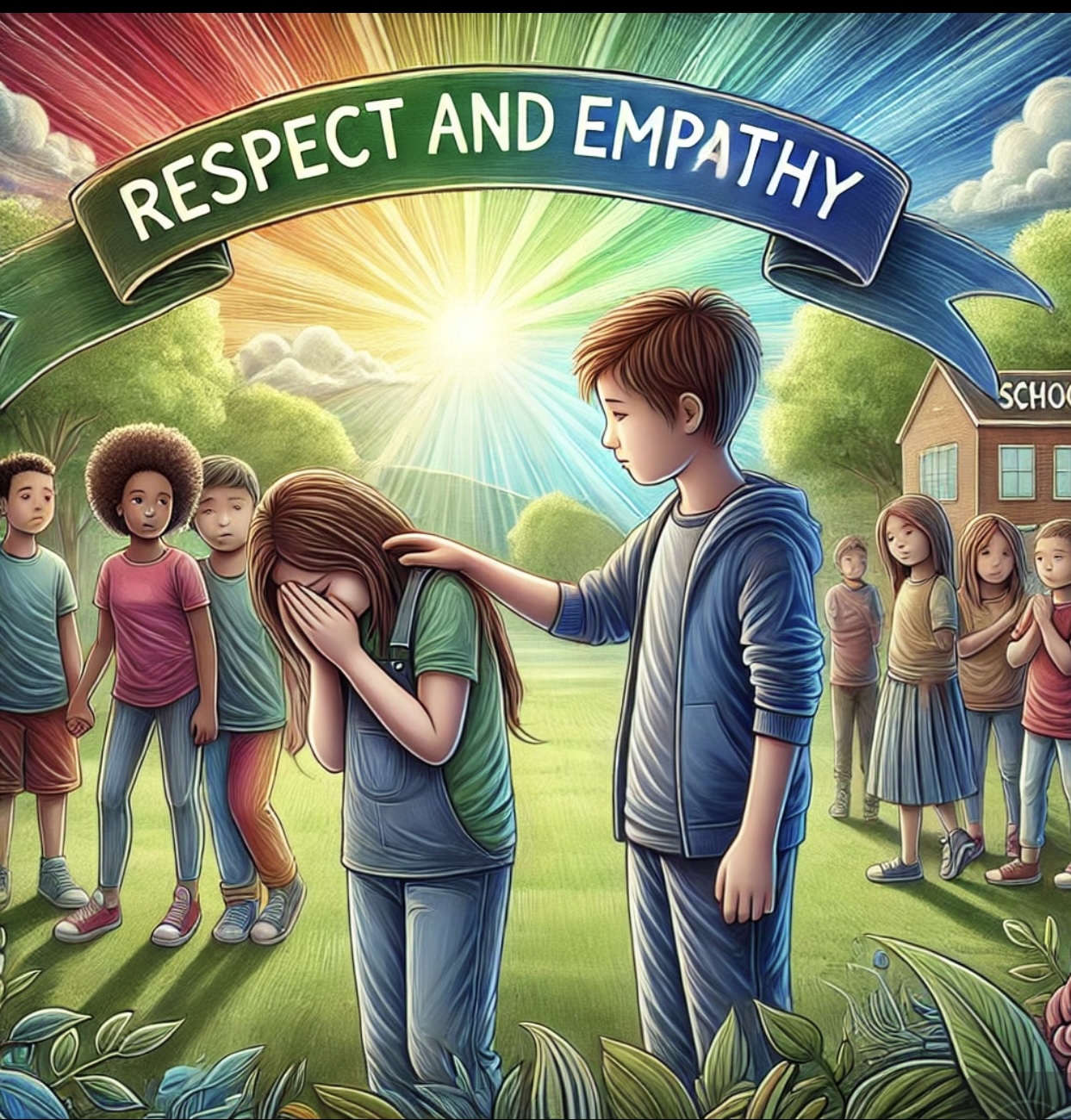
Bullying should not go unpunished, and the offender should be held accountable. At a young age, children should be taught the meaning of respect, responsibility, and empathy.
The Buddy System: Fostering Responsibility and Empathy
Maybe my son’s situation was unique, but I’ve always appreciated the school’s policies when he was in elementary and high school. I felt the school genuinely cared about their students’ welfare and their development as individuals.
Some SPED students, like my son, attended mainstreaming classes, where they joined regular classes and had additional one-on-one lessons in the afternoon to catch up. To support this, the school implemented a buddy system. Each SPED student was paired with a senior buddy from the regular class. The buddy’s role was to look out for their SPED partner, ensuring they completed assignments and were not being bullied.
This system protected vulnerable students and taught the regular students responsibility and empathy by encouraging them to care for someone else. For my son, having a buddy made him feel included and supported in an environment where he could have otherwise felt isolated.
I also saw how this system inspired my son to develop empathy and responsibility. As he grew older, he began looking out for younger SPED students. I remember one instance where a child with Down syndrome became agitated because she couldn’t find her mother. My son calmly approached her, spoke gently, and distracted her by showing her pictures on his tablet. That moment made me so proud to see him reflecting the kindness and understanding that had been extended to him.
The Long-Term Impact of Anti-Bullying Policies
The effects of bullying can leave lasting scars, especially for students with special needs. Schools have a vital role in preventing such incidents and fostering a safe, inclusive environment.
The measures taken by my son’s school serve as an example of how proactive policies can make a difference. The disciplinary action for the offending student wasn’t just about punishment; it was also about teaching accountability. By requiring the student to do chores, the school showed that actions have consequences but also allowed the student to contribute positively.
The buddy system and the school’s focus on teaching respect, responsibility, and empathy created a nurturing environment. These initiatives not only protected students like my son but also shaped the character of other students, equipping them with values that would last a lifetime.
The Role of Families in Combating Bullying
While schools are essential in addressing bullying, families play an equally critical role. Respect, responsibility, and empathy should be instilled at home from a young age. Children learn by example, and when they witness kindness and understanding at home, they are more likely to extend those behaviors to their peers.
As parents we should maintain open communication with our children, encouraging them to talk about their school experiences, friendships, and challenges. This allows them to feel supported and comfortable speaking up if they face bullying or witness it happening to someone else. It is our duty to reinforce these values at home.
Building a Culture of Respect
Instilling respect, responsibility, and empathy in children—both at home and in school—can make a significant difference in reducing bullying. When children are taught not only to excel academically but also to value the feelings and needs of others, it creates a foundation for a more compassionate society.
Bullying is not just about the victim and the perpetrator, it affects the entire community. Every incident serves as a reminder that we must all do better as parents, educators, and members of society to foster environments where kindness prevails.
As I reflect on my son’s experiences, I am grateful for the support he received and the lessons he learned. It is my hope that more schools adopt proactive and empathetic policies like the ones we encountered, ensuring every child feels safe and valued.
Bullying may never be completely eradicated, but with collective effort and a commitment to fostering respect and empathy, we can significantly reduce its occurrence and impact. Every child deserves to feel safe, loved, and supported.
- Education
- Youth
- Global