
Building Resilience Through Mental Health Advocacy - The Impact of the Maryben Foundation
Aug 8, 2025
story
Seeking
Connections
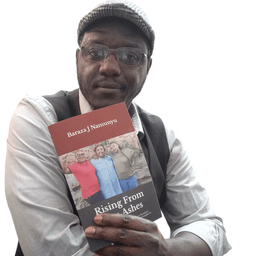

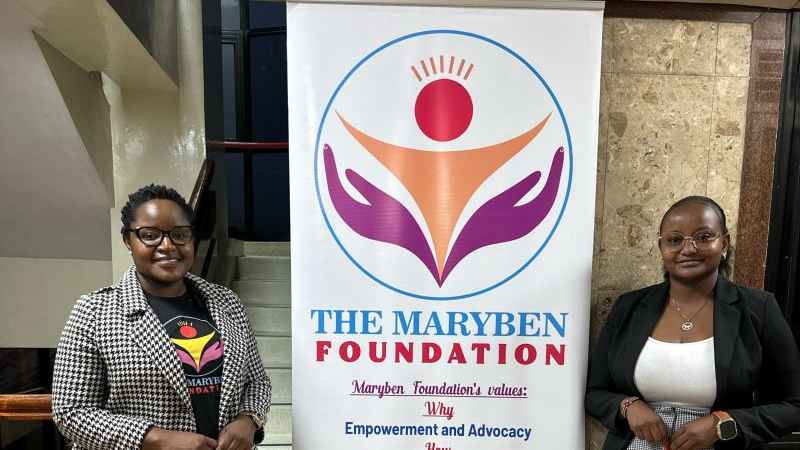
Photo Credit: Amb. Maryben A. Omollo, LinkedIn
Amb. Maryben Omollo’s journey—from surviving emotional abuse, gender-based violence, and multiple suicide attempts to becoming a globally recognised leader—adds authenticity and urgency to the foundation’s mission.
Introduction
Amb. Maryben Akinyi Omollo, a globally recognised mental health and leadership coach, has transformed personal adversity into a powerful movement for healing and empowerment across East Africa. As the founder of the Maryben Foundation, her work spans mental health advocacy, leadership development, and community empowerment. This article critically examines the foundation’s impact, strategies, and lessons learned since its inception in 2021.
Foundation Overview and Reach
The Maryben Foundation was established in 2021 with a mission to promote mental health awareness and provide accessible counselling services to vulnerable populations. Operating in Kenya, South Sudan, Uganda, and Rwanda, the foundation claims to have positively impacted over 100,000 individuals through its various initiatives.
Key Achievements:
- Geographic Reach: Kenya, South Sudan, Uganda, Rwanda
- Beneficiaries: Youth, women, and marginalised groups
- Impact Metrics: Over 100,000 lives touched
This scale of outreach reflects a strategic blend of grassroots engagement and regional collaboration, positioning the foundation as a significant player in mental health advocacy in East Africa.
Mental Health Services and Support
Direct Interventions
The foundation’s core services include free group therapy, one-on-one counselling, and community-based mental health education. These are tailored to underserved populations, particularly in informal settlements and rural areas. Attendance records and follow-up sessions are meticulously tracked to ensure continuity of care and long-term mental health improvement.
Strategic Focus:
- Group and Individual Therapy
- Community Mental Health Education
- Target Groups: Youth, women, rural communities
This data-driven approach enhances accountability and allows for adaptive programming based on participant needs and outcomes.
Empowerment Through Education and Skills
Personal Success Stories
The foundation emphasises qualitative impact through individual transformation stories. One notable example is Maria S., a single mother from Kibera, who progressed from adult literacy classes to launching a tailoring business. She now mentors other women, illustrating the ripple effect of empowerment.
Documentation Methods:
- Interviews
- Video Testimonials
- Community Reports
These narratives serve as both evidence of success and tools for refining future programming.
Community Engagement and Feedback
Participatory Development
The foundation actively involves communities in shaping its initiatives. Feedback is gathered through surveys, focus groups, and forums. A pilot youth mental health club in Mathare, for instance, received strong community endorsement, prompting expansion to other regions.
Engagement Tools:
- Surveys and Focus Groups
- Community Forums
- Pilot Programme Evaluations
This participatory model ensures cultural relevance and community ownership, which are critical for sustainable impact.
Holistic Well-being and Socioeconomic Impact
Beyond Mental Health
Recognising the interconnectedness of mental health with education, healthcare, and economic stability, the foundation tracks indicators such as school re-enrollment, healthcare access, and financial literacy outcomes. Post-programme assessments reveal improved budgeting and savings among women participants.
Key Indicators:
- School Re-enrolment Rates
- Healthcare Access
- Income-Generating Activities
This holistic approach reflects an understanding that mental well-being is both a cause and consequence of broader social conditions.
Strategic Partnerships and Collaborations
Amplifying Impact
The foundation collaborates with local governments, schools, health centres, and NGOs to enhance service delivery and avoid duplication. A notable partnership with a regional youth organisation led to a cross-border mental health campaign reaching over 10,000 young people.
Collaboration Outcomes:
- Resource Sharing
- Expanded Reach
- Cross-Border Campaigns
- These alliances are instrumental in scaling impact and fostering regional solidarity around mental health issues.
Recognition and Digital Presence
Awards and Media Features
Amb. Maryben Omollo and the foundation have received multiple accolades, including:
- Digitally Fit Award – Gold Category (2023)
- Top 40 Africa Under 40 Women Empowerment Award (2022)
- Kenya’s Top 35 Under 35 Award (2021)
- Africa Young Female Entrepreneurs Award (2022)
- Top 50 Women Globally in ERP (2022)
These recognitions validate the foundation’s innovative and impactful work.
Online Platforms:
- Website: marybenomollo.com
- Facebook: The Maryben Foundation – Nairobi
- LinkedIn: Maryben Akinyi Omollo
These platforms serve as tools for outreach, engagement, and transparency.
Lessons Learned
Key Takeaways:
- Community-centric models are essential for sustainable mental health interventions.
- Holistic Programming that integrates education and economic empowerment enhances long-term outcomes.
- Strategic Partnerships amplify reach and effectiveness.
- Storytelling and Data together provide a compelling case for impact.
- Digital Engagement is a powerful tool for advocacy and visibility.
Reflection
The Maryben Foundation exemplifies how personal resilience can be transformed into collective healing. Amb. Maryben Omollo’s journey—from surviving emotional abuse, gender-based violence, and multiple suicide attempts to becoming a globally recognised leader—adds authenticity and urgency to the foundation’s mission. Critically, while the foundation’s reported impact is impressive, independent verification and longitudinal studies would strengthen its credibility. Nonetheless, its participatory approach, strategic partnerships, and integration of mental health with socioeconomic empowerment mark it as a model worth emulating. The foundation’s work reminds us that healing is not just personal—it is communal, systemic, and deeply interconnected with dignity, opportunity, and hope.
- Education
- Leadership
- Girl Power
- Economic Power
- Stronger Together
- Our Impact
- Global