
Changing the History of Women on International Women Day 2010 in Bangladesh
Jan 21, 2015
story


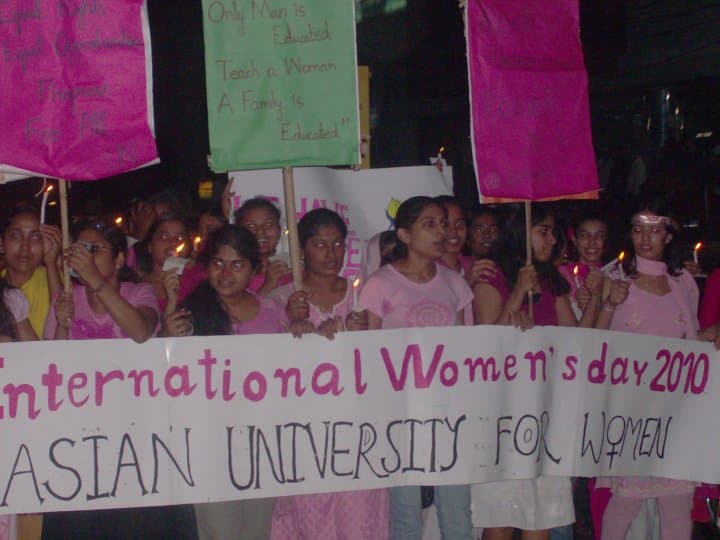
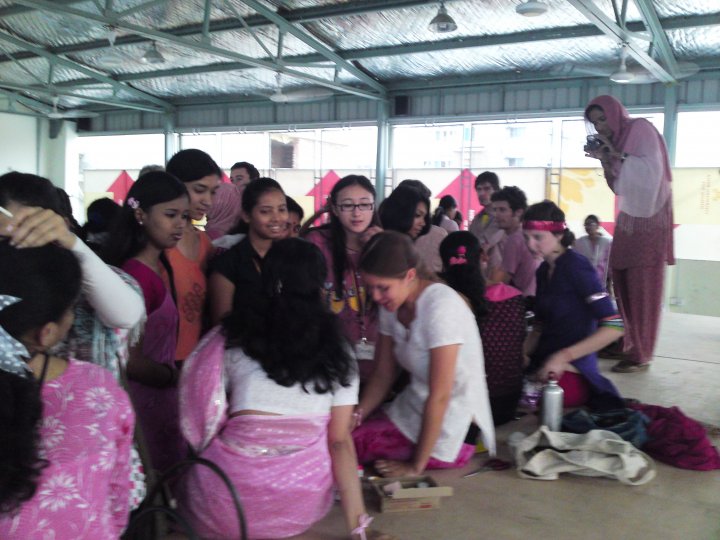
It was March 8, 2010, I woke up early in the morning and about 375 students from Asian University for Women including me were decorated with pink color although it is the most anti-feminist color. Even some of the faculty members and the male staffs of the university had wear or carry something pink with them where they go. Some of the visitors and Meridian hotel staffs, who serve food for AUW students, were surprised to see all the students wearing pink dresses. Everyone went to the class but we were surprised to see our social science faculty who had worn purple color. The professor asked us why we were wearing pink color after knowing that it is anti-feminist color and what it is for. We replied her that it symbolizes the women and we want to show that we are united from the color, so we wear it then she told us that we need to wear purple instead of pink to remember all the women who has fought for our rights in International Women’s day.
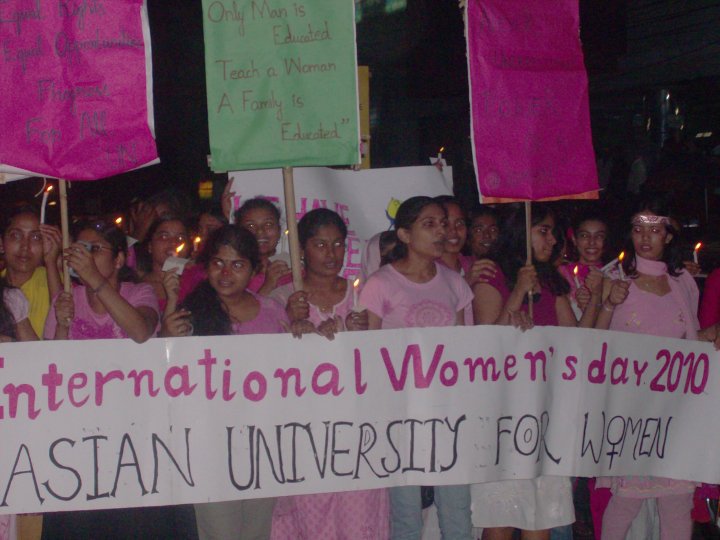
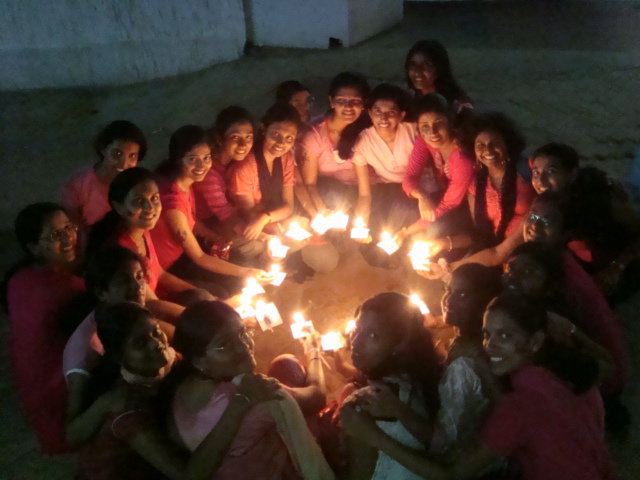
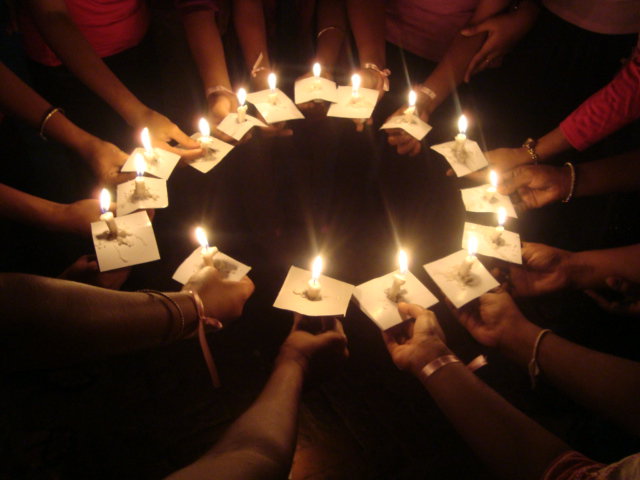
Finally, we finished our classes at 5pm and started painting our faces to go on Marches. Some of us put ribbons in our heads. Carrying a big banner and lighting the candles, we started our marches at about 6pm. Many others small hand banner were also carried by students. There were many inspiring sentences written in the banner, for instance, “Women are powerful”, “We deserve government”, “We deserve our rights”, “We deserve equal opportunities”, “We can do as men”, “Women United, Never Divided” and so on which was written in Bangla and English. We marched for the rights of our past, present and future generation. We don’t want next generation to be isolated in their country. The slogan of the marches was “Women’s United, Never Divided.” Not only women students of AUW was attending the marches but also staffs, faculty and cleaners joined our marches. It was the first marches in the history that woman in Chittagong marches in a huge numbers celebrates an International Women’s Day 2010. The street was full of AUW family and people were surprised to see about 400 women including some technical supports from men in the streets.
Even the traffics and police were surprised, everyone, including shopkeepers, customers and travelers, stopped and watched us. People in the street were taking our pictures. After an hour marches, we again went to the university and have a program. A teacher, Sarah from Access Academy shared her experience how she was abused and discriminated in public areas. How a group of young men from Italy tried to rape her in public area? How her breasts were touched by young men in public transportation. I was so surprised to hear that even I speak out for the change from my childhood. This might be because I was taught to be voiceless regarding physical harassment. I was taught not to speak about sexual abuses. Even, today, Nepali women hesitate to speak out how they are sexually harassed in public area.
Additionally, some of the students, including Pooja and Prabisha (members of world pulse) recite poem and drama respectively, to inspire young women. The program highlights some powerful women’s leaders’ biography such as Malai Joya, Aung Sang Suu Kyi and Parijit. The technical support and performance from our male teachers was inspiring. This is a starting of our journey where we all stands up and speak out for what we deserve. This is just a beginning; we will speak out every day to represent women.
P.S. I am sorry; I am late to post about what we celebrate in International women day because I was distracted after hearing the death of a Nepali in Norway.
- South and Central Asia