
collaborating to achieve Gender Equality (SDG5) and improving access to quality education
Aug 15, 2024
story
Seeking
Connections
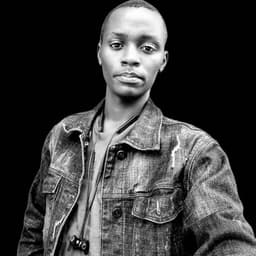
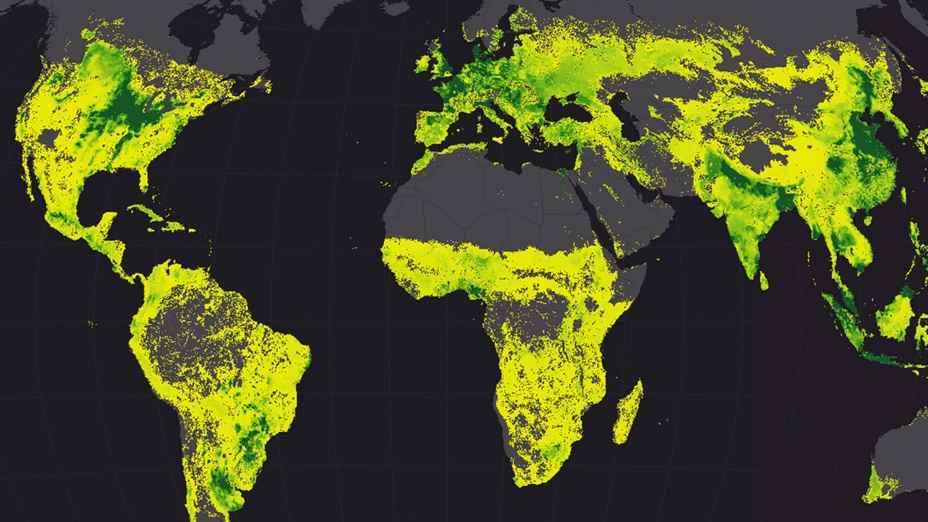
Photo Credit: Empowering Women with Essential Digital Business Skills to thrive in the digital era.
Dan ruto
Have you ever wondered how we can use technology to make the world a better place? Geospatial data is one of those amazing tools that can help us solve problems and improve lives in our communities. It's all about using maps and location-based information to understand and make better decisions about our environment and resources.
Geospatial data involves using maps and satellite images to see what's happening on the ground. Imagine being able to look at a map that shows which areas need clean water, where schools are located, or how forests are changing. This data helps us plan projects more effectively and track how things are improving over time.
1. Targeting Resources Effectively
By using geospatial data, we can focus our efforts where they are needed the most. For example, we can identify areas that need better access to clean water or healthcare and direct our resources to those places. This ensures that our projects have the biggest impact possible.
2. Improving Disaster Preparedness
Maps can also show us which areas are prone to natural disasters like floods or droughts. With this information, we can help communities prepare and respond more effectively, reducing damage and saving lives.
3. Enhancing Education and Learning
Geospatial technology can also be used in schools. By teaching students how to use mapping software, we empower them with valuable skills that they can use in the future. It's a fun and interactive way to learn about geography and equipping them with tools to solve complex problems.
I am excited to be working with @William Tarpai, who has incredible skills in geospatial mapping. Together, we are identifying areas where we can make the most difference in communities in kenya. We are mapping out the regions that need our support and planning our projects accordingly. This collaboration helps us to be more efficient and effective in our efforts.
As an NGO, we are utilizing geospatial skills to work with schools and communities. We will be using computers with mapping software to teach students how to create maps and analyze data. This hands-on approach not only educates them but also encourages them to think critically about their environment and how they can contribute to positive change.
Geospatial information is key to ensuring that no one is left behind, as it helps identify groups that are struggling. This includes breaking down data by characteristics such as income, gender, age, and more. Geospatial data can be combined with other data to better inform decisions and identify where actions are needed most.It is a powerful tool that helps us see the bigger picture and make informed decisions. By working together and using this technology, we can unlock the potential of our communities and create lasting impacts. We are committed to continuing our work with William Tarpai to help contribute to make the world a better place. This is one of our strategies in working together to develop rural communities in kenya.
Our journey doesn't stop there. We are committed to mobilizing the upgrading of rural community libraries to support World Pulse’s SDG 5, which focuses on achieving gender equality and empowering all women and girls. By doing this, we aim to provide women and girls in rural areas with access to resources and the right to education.
We believe in the vision of our collaboration and in working hand-in-hand with communities. We see the incredible potential of women to unlock solutions to the challenges we face. In this journey, we have set ambitious goals, one of which is to enable the digitization of rural libraries. As an NGO, we are dedicated to training women and girls in digital skills, empowering them to tackle some of the most pressing issues of our time, such as poverty and climate change.
By equipping women and girls with digital skills and access to technology like computers and AI, we can help them develop innovative solutions. Our journey starts small, with training communities on digital skills and equipping libraries with the necessary infrastructure to make this vision a reality. We are making progress step by step and believe that with time, we will achieve these goals.
We also believe that everyone has a part to play in bringing change to their communities. We hope to share more updates on our work and welcome everyone to be part of this journey in supporting communities. By joining forces, we can create a brighter future for all.To see how you can support these efforts, please go to http://safinaempowerment.org/ to see how you can get involved or donate to our program or learn more about how you can get involved.
One of the key observations we've made is that many facilities designed to support communities, such as high-tech libraries and research centers, are predominantly located in urban areas. These facilities, often found in embassies and large institutions, are accessible primarily to those living in cities. Even within urban areas, these resources are typically located in affluent neighborhoods, making them accessible to high-income communities rather than those who might need them the most.
Through my research, I've discovered that students in rural areas and their communities often miss out on these free facilities that their urban counterparts enjoy. This disparity highlights a significant issue: resources are being placed where they are least needed, leaving rural communities underserved and without access to essential tools and information.
Our project aims to address this imbalance by working directly with rural communities to bring technology and resources to them. We are committed to ensuring that students in these areas have the same opportunities as those in cities.
- Girl Power
- Technology
- Education
- Collaboration Stories
- Digital Skills
- #ShiftThePower
- Global