
Collaboration Initiative: Amplifying GBV Survivor & Bystander Voices to Foster Healing
Mar 26, 2025
initiative
Seeking
Visibility


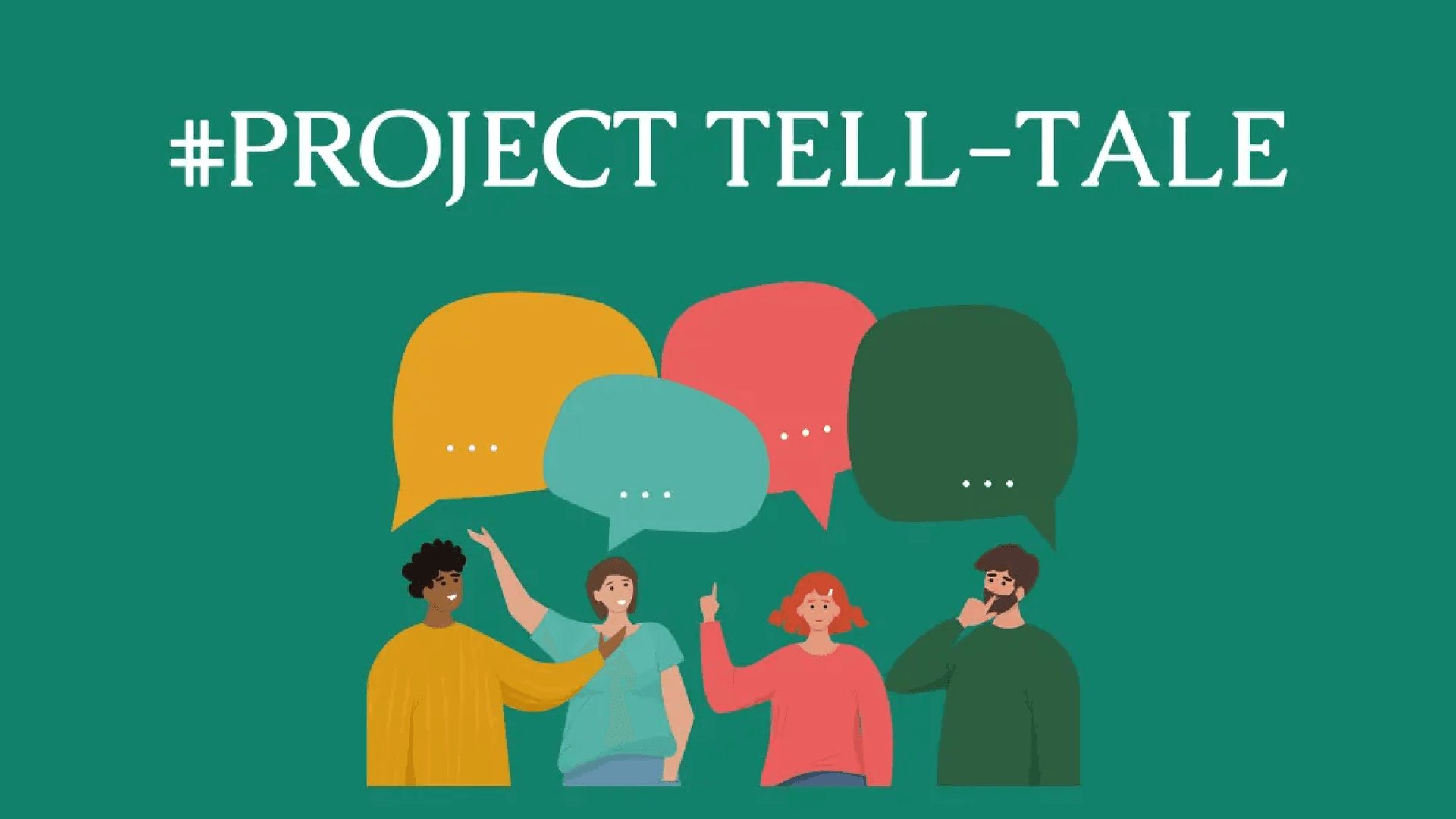
Objective: Through Project Tell-Tale, @Rasika and I aspire to anonymously document and share courageous, inspiring, and moving stories of 20 survivors of gender-based violence and bystanders who have supported a survivor of GBV in their healing and recovery.
Background:
“As someone who struggled with mental health issues after witnessing and experiencing various forms of gender-based violence, I often found myself searching for people and resources that could help me make sense of my thoughts and feelings. I frequently turned to the anonymity of the internet, reading the stories of other anonymous survivors of GBV. Seeing their experiences reflected my own made me feel less alone and validated the emotions I carried as a result of abuse.
That feeling of not being alone in that moment meant everything to me—it was one of the things that helped me keep going. This is one of the many reasons why breaking the silence around GBV is so important. Not only does it help reduce societal stigma and increase awareness about GBV and prevention, but it also offers survivors a therapeutic space to share their lived experiences freely. Speaking out is a powerful way of saying: You are not alone.”
- Rasika Sundaram
Impact on survivors of GBV:
- Storytelling led by survivors, prioritizes survivors and their encounters.
- Storytelling can be used as a tool to feel empowered.
- Storytelling can be a means to feel stronger.
- Storytelling can assist reflection of events and the changes survivors have experienced as a result of traumatizing event/s.
- Storytelling can be cathartic for the narrator.
- Storytelling can help minimize self-blame.
- Writing and sharing one's experiences can assist the acceptance of traumatizing events and the grief that comes with it which can aid in moving past the event, hence facilitating the journey to healing.
Impact on communities:
- Storytelling is a way to document instances of gender-based violence. Documentation is important because it assists the sharing of knowledge for a better understanding of how we can prevent gender-based violence in communities and support survivors of GBV.
- Storytelling encourages supporting each other.
- Storytelling can help minimize judgements, misconceptions, stigmas, etc. surrounding survivors of gender-based violence.
- Collective hurt can be recognized through storytelling.
- Understanding, solidarity, and unity increases when stories are shared leading to greater chances of survivors of violence to come together and seek change.
- Storytelling can be utilized to improve education , training, service provisions, laws & policy making.
Impact Numbers:
Direct Impact: 30 people (Includes survivors, bystanders, Imaara team members and volunteers)
Indirect Impact: 20,000
- Website Readers: 10,000
- Podcast Listeners: 6,000
- Social Media Engagement: 2,500+
- Community Awareness (Word-of-Mouth & Discussions): Hundreds to thousands more
Story Collection Methods:
- Blogs
- Podcasts
- In-person interviews
Monitoring and Evaluation (M&E) Process:
Quantitative Metrics:
- Number of stories collected and published in different formats.
- Number of website visits and engagement statistics (shares, comments, reach).
- Growth in partnerships and collaborations with NGOs and survivor support organizations.
- Number of volunteers trained and actively involved in the project.
Qualitative Assessment:
- Survivor and bystander feedback on their experience participating in Project Tell-Tale.
- Analysis of how storytelling impacts healing and awareness through periodic surveys.
- Testimonials from survivors, community members, and service providers on the project's influence.
- Ensure all contributors have the option to withdraw their stories at any time.
- Offer anonymous surveys for participants to share feedback on safety, accessibility, and emotional impact.
Adaptation and Future Growth:
- Utilize collected data and feedback to refine Project Tell-Tale methodologies.
- Expand language accessibility and regional outreach based on demand.
- Seek opportunities to scale the initiative into a global survivor-led storytelling movement.
Budget for 20 stories:
- Story Collection & Coordination: 400 USD for Outreach, survivor/bystander coordination, communication costs
- Recording and Story Processing: 300 USD for podcast software, voice morphing tools, transcription, and editing
- Website hosting and publishing: 150 USD for website maintenance, uploading, and formatting
- Travel and field interviews: 250 USD for transportation, in-person interviews, and recording equipment
- Translation and Accessibility: 100 USD for translating stories, subtitling, and ensuring language inclusivity
Conclusion:
Project Tell-Tale is not just a storytelling platform—it is a movement to break the silence, foster healing, and create lasting change in how societies understand and respond to GBV. Through survivor-centered narratives, it will contribute to stigma reduction, policy improvement, and community solidarity, ensuring that survivors and bystanders know they are not alone.
- Human Rights
- Gender-based Violence
- Stronger Together
- Survivor Stories
- Collaboration Stories
- Our Impact
- Global