
Confronting Our History of Violence - Ritah Anindo Obonyo's Call for Remembrance in Kenya
May 1, 2025
story
Seeking
Encouragement

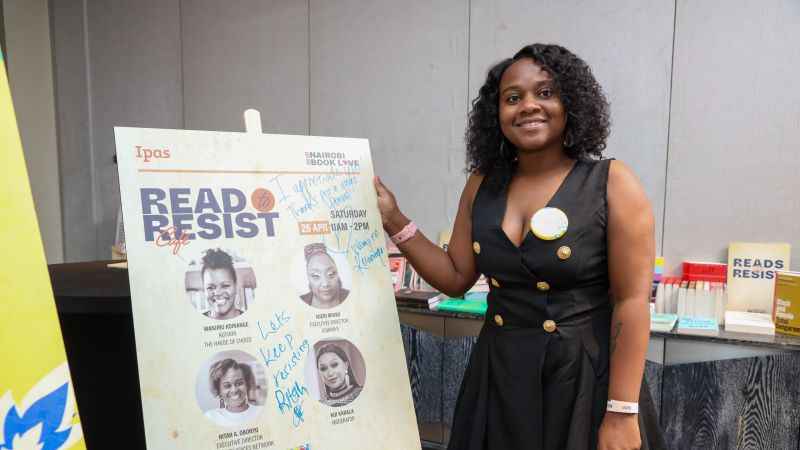
Photo Credit: Ritah Anindo Obonyo, Kenya
"Confronting and remembering past atrocities is essential for healing and preventing future violence. "
Ritah Anindo Obonyo:
Executive Director, Community Voices Network | Accredited Counsellor | SRHR Advocate | 2022 Climate and Health Public Engagement Leadership Fellow | YALI Fellow | Writer | Storyteller | Communication Strategist
Ritah Anindo Obonyo, a prominent advocate and leader, reflects on the troubling tendency of Kenyans to quickly forget and move on from past atrocities. She highlights several significant events that have been swept under the rug, urging the nation to confront its wounds and remember its history.
The Forgotten Atrocities
Ritah lists several tragic events that have been forgotten:
- 1991: 19 girls were killed and 71 raped at St. Kizito High School.
- 2007: Mass massacres occurred following post-election violence.
- 2016-2023: 500 women were killed in cold blood.
She questions how healing can occur if these wounds are not confronted and why the stories of these events are not passed down to the younger generations.
The Power of Literature
Ritah emphasises the importance of the book Havoc of Choice by Wanjiru Koinange, which serves as a powerful reminder of the atrocities committed during the post-election violence of 2007. The book delves into the choices made by individuals and their far-reaching consequences, highlighting the need for collective memory and healing.
Reflecting on the Past
In April 2025, Ritah had the honour of sitting on a panel with Njeri Wa Migwi and Wanjiru Koinange, discussing Havoc of Choice. She recalls being in Class 5 during the 2007 violence, knowing only that there was politics and violence. Reading the book has provided her with language and context, prompting her to ask critical questions:
- How did the nation move on so fast?
- Why is the rape and abuse of women during the 2007 violence never mentioned, even in gender advocacy spaces?
Lessons from Rwanda
Ritah draws a parallel to Rwanda, a country that refuses to forget its genocide. The collective memory of the genocide fuels Rwanda's commitment to peace and national unity. She questions what Kenya is doing with its history and emphasises the need for reflection and analysis.
Advocacy and Commitment
The opportunity to reflect on the lessons from Havoc of Choice has fueled Ritah's advocacy. She expresses sincere appreciation to Ipas Africa Alliance for their support and the chance to share the stage with legendary women. She thanks Kui for making the event happen and Njeri for her inspiring words and leadership.
A Call to Action
Ritah urges Gen Z to read Havoc of Choice and commits to sharing the book with the youth network and integrating it into the programs at Community Voices Network. She emphasises the importance of never forgetting the past to prevent future atrocities.
Lesson to Learn:
Confronting and remembering past atrocities is essential for healing and preventing future violence. Literature and collective memory play crucial roles in this process. Ritah Anindo Obonyo's call to action highlights the importance of reflection, advocacy, and education in building a better future.
- Education
- Health
- Human Rights
- Positive Masculinity
- Gender-based Violence
- Peace & Security
- Global