
CupShift: A Journey of Change
Sep 11, 2024
first-story
Seeking
Collaboration
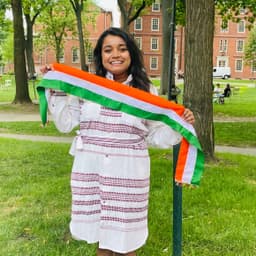
In Jharkhand, a tribal village in India, I grew up witnessing the struggles many women and girls faced during menstruation. Period poverty—a lack of access to sanitary products, menstrual education, and proper sanitation—was a harsh reality. Without access to affordable and sustainable menstrual products, many resorted to using unhygienic alternatives, which posed serious health risks. Worse, the cultural taboos surrounding menstruation made it difficult to talk about, leaving many girls and women in silence and shame.
The impact of these taboos and period poverty was profound, especially in schools. Many girls, embarrassed or unprepared, would skip school during their periods. For some, the lack of proper menstrual care and the stigma became too overwhelming, leading to school dropouts. The loss of education had long-term consequences—not just for the girls themselves but for their families and communities, perpetuating a cycle of inequality and missed opportunities.
In India, where I first began my work, the issue of period poverty is widespread. Millions of girls face challenges accessing basic menstrual hygiene products due to financial barriers and cultural taboos. Menstruation is often treated with shame, forcing many girls to miss school and lose out on education opportunities. Witnessing these struggles firsthand inspired me to launch CupShift and tackle the silence surrounding menstruation. My goal was not only to provide sustainable menstrual solutions but also to start conversations that could break down these long-standing taboos.
A quote that drives my mission forward is by Mahatma Gandhi: “Be the change you wish to see in the world.” This simple but powerful statement serves as a reminder that change begins with action. Now in the United States, I’m expanding CupShift to address similar challenges faced by women and girls globally. While period poverty and menstrual stigma may manifest differently across cultures, the need for education and sustainable solutions is universal. By combining my experiences from India with my current work in the U.S., I aim to create a lasting global impact, empowering women and promoting menstrual health and sustainability everywhere.
That’s where CupShift came in. I created the initiative to address period poverty head-on by educating communities about sustainable menstrual hygiene and breaking the silence around menstruation. By promoting menstrual cups, we offer a cost-effective, eco-friendly solution that can last for years, reducing the financial burden on women and girls. But CupShift is about more than just products—it’s about fostering conversations, challenging taboos, and ensuring that no girl ever feels ashamed of her body’s natural processes.
With the invaluable mentorship of Sirona Hygiene and the support of fellowships from Harvard' Graduate School of Education and the Mercedes Benz BeVisioneer program, CupShift has evolved into a global initiative. We are not only addressing period poverty by providing sustainable menstrual solutions like menstrual cups, but we’re also breaking down the cultural taboos surrounding menstruation. Our mission is clear: to empower girls and women through education and access to sustainable products, ensuring that no one has to choose between managing their period and pursuing their education. Through CupShift, we’re creating a world where menstruation is no longer a barrier, but a point of empowerment.
- Environment
- First Story
- Global