
Danger of illegal migration on youths
Jan 21, 2015
first-story


Dear Friend,
Please find the synopsis of my organization one day conference on the 3rd of february, 2011 for Nigeria Youths.
As part of the Migrant Rights: Nigerian-Polish Initiative, over eighty Nigerian Youths within Lagos and it axis drawn from different constituencies, faith based organizations, community based organizations and institutions of higher learning were reached with knowledge of dangers of illegal migration at a one day conference hosted by Human support services.
The overview of the project reviews it as a partnership between Human Support Services (Lagos) and Rule of Law Institute Foundation (Lublin). The fundamental goals of the project are: to raise awareness and develop skills, knowledge and resources of lawyers, migration officers and members of migrant communities to respect civil rights of migrants and to assist migrants; to improve migrants’ knowledge on their rights and obligations; to enhance the exchange of knowledge and information on labour migration policies. At the first phase of the project implementation, the Immigration Lawyers forum (ILAF) was established to provide legal services to intending migrants.
Scope of the Problem
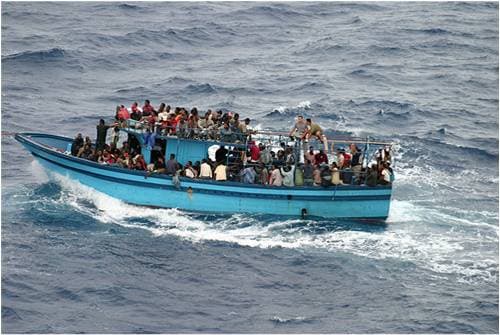
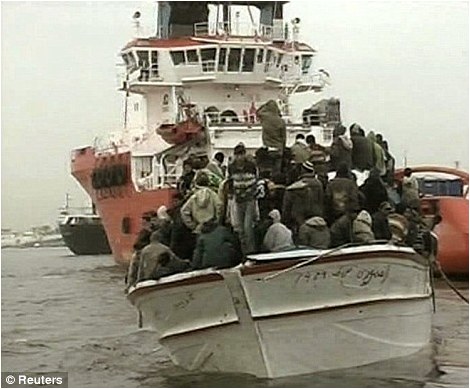
Migration is fast becoming a key development issue with more young people engaging in illegal migration to other country for greener Pasture. Some of the reasons for migrating are for better living condition, education, employment, reunification and other personal reasons.
The UN estimate that 214 million people live outside their country of origin, around 40 percent of the total global migrant population have moved to a neighbouring country within their region of origin. Every day many skilled and unskilled migrants join the rank of migrant workers. However, the reality is that many of these people are in those countries on illegal basis and therefore, are without legal status, and are natural targets of exploitation. Countries like the United States have over 2 million prisoners most of whom are illegal migrants, Nigerian inclusive.
Individual level census and household survey data used to present a rich profile of migrants around the world indicates that 12 to 24 year olds are found to comprise a large share of the flow of migrants, particularly in migration to other developing countries, with the age distribution of migration peaking in the late teens or early twenties. Developing country migrants show a common trend in youth migrant experience across a number of destination countries. (Recent World Bank research results)
The National Agency For the Prohibition of Traffic in persons and other Related matters (NAPTIP) empowered by the Trafficking in Persons (Prohibition) and Administration Act, 2003 as amended is the focal Agency in the fight against Human trafficking and child labour in Nigeria.
NAPTIP, a Federal Agency established in 2004 is mandated to investigate, arrest and prosecute suspects of human trafficking; counsel and rehabilitate victims of human trafficking; enlighten the public and liaise with partners to eradicate human trafficking in Nigeria. Providing solutions to migration issues subsequently addresses the issue of Human trafficking which is an offshoot of migration, especially illegal migration. To this end, NAPTIP is always ready to proffer solutions that reduce illegal migration to the barest minimum and collaborate with relevant organizations that would help to achieve this goal. Reduction in the rate of illegal migration also means reduction in the number of victims trafficked.
NAPTIP revealed that children trafficked into Nigeria are mainly from Benin, Togo, Niger, Cote d’ Ivoire- large number of Beninese have been rescued in quarries working in exploitative conditions in the western part of the country. Trafficked girls are used for domestic service, street trading and commercial sex exploitation. The boys are used for domestic service, forced to work on plantation/farmlands/quarries and engaged in petty crime.
Human Trafficking is a problem of illegal migration with traffickers moving victims in and out of countries with the use of fake documents and clandestine border crossing. Majority especially Nigerian girls travel out for prostitution.
Whether legal or illegal, migration creates an impact on nations or societies involved, whether destination or source. Some of these effects include: Brain drain, Depletion of human resources (work force), Economic depression, under population (source), over population (destination), Negative image before the international community, Limited social amenities in destination countries, Increase in crime rate and Increase in occurrence of human right violation cases.
Some of the threats that hamper a migrant’s survivals, especially illegal migrants are: Fear of deportation, Loss of income, Access to economic and social rights as well as benefits of education and health systems are denied by host countries, Abuse on the job, Xenophobia, Human rights violation, racism, Blamed first for increase in crime rate in the host country, Easy prey for organ harvesters, flesh traders, drug lords and Human Traffickers.
It is estimated that majority of children trafficked to Europe for sexual exploitation are from Edo state however all the states are involved but 22 are more endemic. It is reported that women from Moldavia, Belarus, Ukraine and Philippines are trafficked to Nigeria to work in adult clubs. UNICEF states that 80% of young women engaged in prostitution in Italy are Nigerians. Trafficking sometimes has the tacit collaboration of victims’ families/relatives.
Outcome of the conference
Key outcome of the conference is the establishment of ‘Youth Migration Advocate’ forum to promote the issues of regular migration among young people. A total of 24 organizational representatives were inducted into the forum. They will be trained as counselors to create awareness on the dangers of irregular migration, address issues of human rights and share information procedure to acquire proper documentation to travel.
- Girl Power
- First Story
- Africa