
Day 3: Understanding the Heart and Its Connection to Stroke
Apr 29, 2024
initiative
Seeking
Action


Day 3: Understanding the Heart and Its Connection to Stroke
Hello HolisticFlo Health Lovers,Welcome back to our series on stroke awareness.Today, we'll discuss how the heart works and its connection to stroke when the arteries become blocked. Understanding this connection can shed light on the impact of heart health on stroke risk.
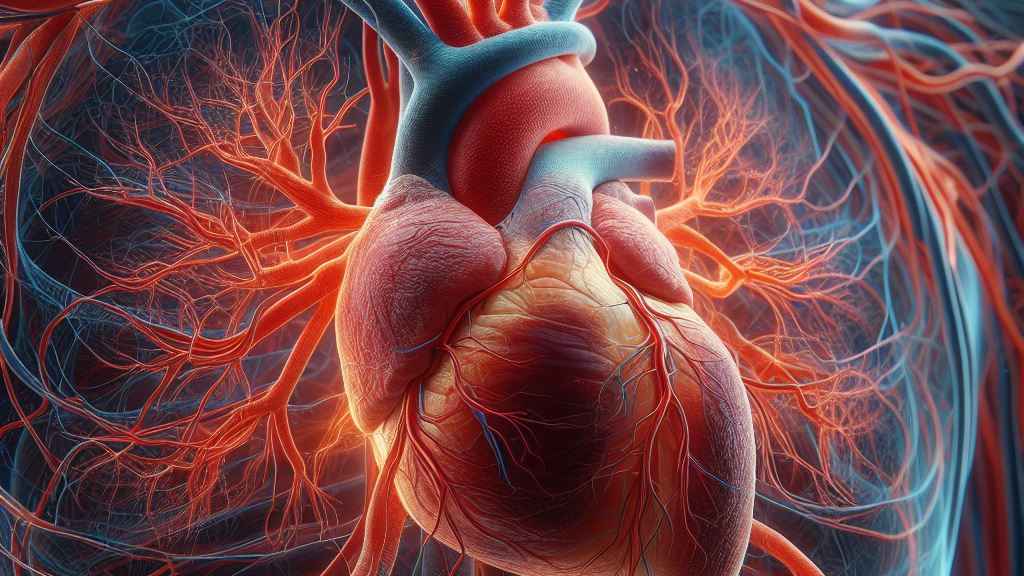
The heart is a vital organ that acts as a pump, circulating oxygen-rich blood throughout the body. It consists of four chambers: two atria and two ventricles. The heart's main function is to receive deoxygenated blood from the body, pump it to the lungs for oxygenation, and then distribute the oxygen-rich blood to the rest of the body.
The heart's pumping action relies on a network of blood vessels known as arteries and veins. Arteries carry oxygenated blood away from the heart, while veins return deoxygenated blood back to the heart.
Now, let's explore how the heart's functioning is connected to strokes. One of the primary causes of stroke is the blockage of an artery, which can disrupt blood flow to the brain.
When an artery supplying blood to the brain becomes blocked, it can lead to an ischemic stroke. This blockage is often caused by a blood clot that forms either in the brain's blood vessels or in another part of the body and travels to the brain.
The formation of blood clots can be linked to various factors, including the health of the heart and blood vessels. Conditions such as atrial fibrillation, which is an irregular heart rhythm, can increase the risk of blood clot formation. Additionally, the buildup of fatty deposits called plaque within the arteries, known as atherosclerosis, can narrow the blood vessels and make them more prone to blockages.
It's important to note that certain lifestyle choices and underlying health conditions can contribute to the development of atherosclerosis and increase the risk of stroke. These include high blood pressure, high cholesterol levels, diabetes, obesity, and smoking.
Managing these risk factors and adopting a heart-healthy lifestyle is essential for reducing the risk of stroke. This includes regular exercise, a balanced diet, not smoking, maintaining a holistic lifestyle,healthy weight, and managing chronic conditions through proper medical care.
By understanding the connection between the heart, blood vessels, and stroke, we can appreciate the importance of maintaining a healthy cardiovascular system. Taking steps to keep our hearts in good shape can significantly reduce the risk of stroke.
Join us on Wednesday as we discuss on the early detection of a stroke Together, let's empower ourselves with knowledge and make heart health a priority.
HolisticFlo cares 💞💞💞
- Health
- Environment
- Education
- Shout Your Vision
- Climate Change
- Our Impact
- Global