
Day 4: Causes of Prostate Cancer
Mar 25, 2024
initiative
Seeking
Action


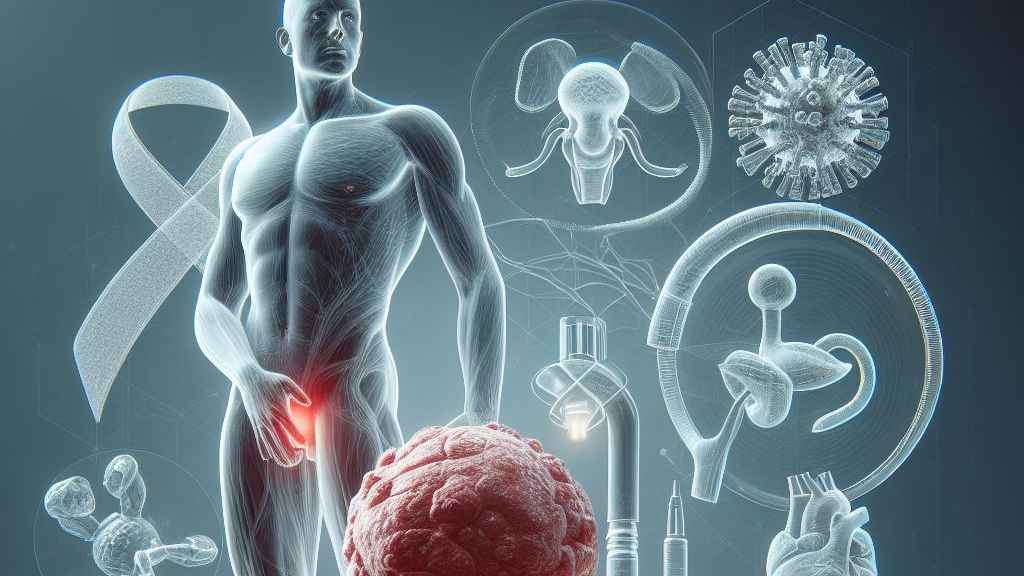
Day 4: Causes of Prostate Cancer
🌿 Welcome to Day 4 of our journey into the world of prostate cancer. Today, we'll explore the causes of this complex disease. While the exact causes of prostate cancer are not fully understood, research has identified several factors that may contribute to its development. Let's delve into the potential causes of prostate cancer in detail! 🦀
🔬 Factors that may contribute to the development of prostate cancer include:
1️⃣ Age: Age is the most significant risk factor for prostate cancer. The likelihood of developing prostate cancer increases with age, and it is more commonly diagnosed in men over the age of 50. As men get older, the cells in the prostate gland may undergo genetic changes that can lead to the development of cancer.
2️⃣ Family History and Genetics: Family history plays a role in prostate cancer risk. Having a close relative, such as a father or brother, with prostate cancer increases a man's chances of developing the disease. Additionally, some inherited gene mutations, such as mutations in the BRCA1 and BRCA2 genes, have been associated with an increased risk of prostate cancer.
3️⃣ Race and Ethnicity: Prostate cancer occurs more frequently in certain racial and ethnic groups. African American men have the highest incidence rate of prostate cancer, followed by Caribbean men of African descent. Asian and Hispanic men have lower incidence rates than Caucasian men. The reasons for these racial and ethnic disparities are still being studied.
4️⃣ Diet and Lifestyle: Diet and lifestyle factors may influence prostate cancer risk. Research suggests that diets high in red and processed meats and low in fruits and vegetables may increase the risk of prostate cancer. Obesity, lack of physical activity, and tobacco use have also been associated with a higher risk of developing prostate cancer.
5️⃣ Hormonal Factors: Hormonal imbalances or changes can impact the development of prostate cancer. Testosterone, the primary male sex hormone, plays a role in prostate cancer growth. Higher levels of testosterone or the conversion of testosterone to a more potent form called dihydrotestosterone (DHT) may contribute to the development of prostate cancer.
6️⃣ Environmental Exposures: Some studies have suggested that exposure to certain environmental factors may increase the risk of prostate cancer. These factors include exposure to certain chemicals, toxins, and heavy metals. However, further research is needed to better understand the relationship between environmental exposures and prostate cancer.
⚠️ It's important to note that while these factors may increase the risk of prostate cancer, having one or more of these risk factors does not guarantee the development of the disease. Many men with prostate cancer have no identifiable risk factors, and conversely, some men with multiple risk factors never develop the disease.
💡 Takeaway:
Understanding the potential causes of prostate cancer can help raise awareness and inform prevention strategies. While we can't control certain risk factors like age, family history, or race, adopting a healthy lifestyle, including a balanced diet, regular exercise, and avoiding tobacco, may contribute to overall well-being and potentially reduce the risk of prostate cancer.
Stay tuned for more enlightening discussions on prostate cancer in the coming days. Share this post to spread awareness and encourage others to join us on this educational journey. Together, we can make a difference in the fight against prostate cancer!
HolisticFlo cares 💞💖
#ProstateCancerAwareness #CausesOfProstateCancer #HolisticFloCares
- Health
- Education
- Environment
- Stronger Together
- Climate Change
- Our Impact
- Global