
Day of the Girl: Casual sexism in Indian families
Oct 11, 2023
story
Seeking
Visibility


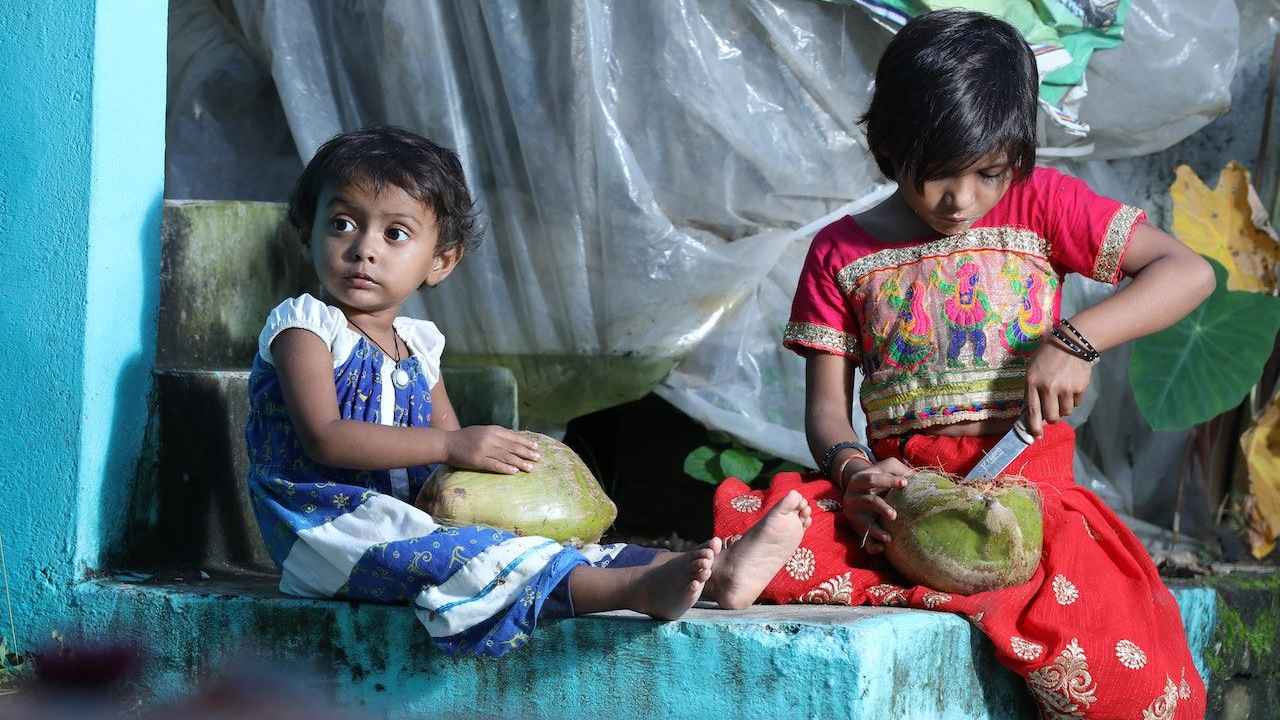
Photo Credit: Photo by Pexels
The Day of the Girl is significant for girls growing up in India. It may seem that progress has been made, with many families in India advocating for gender equality, yet casual sexism remains a persistent force. It operates beneath the surface, manifesting in countless subtle ways, often unnoticed, and difficult to eradicate. Girls are forced to confront a world that is inherently unequal, and this has profound implications for our self-esteem and aspirations.
This issue is not unique to India, but in a nation known for its rich cultural tapestry, the stark contrast between tradition and modernity often leaves girls straddling a precarious line, caught in the crossfire of antiquated beliefs and shifting paradigms. She internalizes the message that she is less valuable than her male siblings and cousins.
All-pervasive for girls
Casual sexism flows through the very fabric of Indian households. It is a discrimination that manifests in the most quotidian of interactions, in the simplest choices made by parents, and it has devastating consequences. In most Indian families, the arrival of a daughter is often met with a muted sense of disappointment. Sons are celebrated, daughters are tolerated. The implications of this seemingly benign disparity are far-reaching. From the moment the girl is born, families are often faced with the uncomfortable question of "What will we do with her?" The question itself betrays the innate prejudice, assuming that a girl needs to be "managed" or "handled" while a boy is bestowed with an almost inherent sense of freedom.
The expectations for a girl child are set early in life, and they often confine her to a narrow role. She's expected to be demure, docile, and obedient, qualities that are prized in the traditional Indian context. These expectations effectively stifle her individuality. The casual sexism is also reflected in everyday language. A common Hindi phrase, "Ladkiyon se ghar sanvar jata hai," translates to "Girls make a home beautiful." On the surface, it might seem like a compliment, but it subtly implies that a girl's primary role is to beautify her surroundings, not to pursue her own dreams or aspirations. Parents will buy dolls and kitchen sets for their daughters and action figures and cars for their sons, inadvertently reinforcing traditional gender stereotypes. These seemingly innocent choices can subtly shape children's beliefs about gender roles.
Fewer opportunities
Although women have made tremendous strides in various fields in India, there is still a prevailing belief in many households that investing in a girl's education is futile. Sons are seen as the bearers of the family name and, by extension, the family's future, while daughters are often viewed as transient members who will eventually belong to another family. This leads to a skewed allocation of resources, where boys receive better education, more opportunities, and are encouraged to pursue ambitious careers, while girls are relegated to roles with lower expectations.
Casual sexism further rears its head when it comes to marriage. The girl is often raised with the unspoken understanding that her primary purpose in life is to get married, and her worth is often measured by her marital prospects. This emphasis on marriage above all else reinforces the idea that her destiny is determined by her marital alliance, and her personal achievements take a backseat. Daughters are raised to expect that their life's narrative will ultimately be written by someone else.
Saddled with chores
Casual sexism in desi families also extends to the division of labour. Daughters are often burdened with the lion's share of household chores, reinforcing traditional gender roles that limit their freedom and opportunities. This unequal distribution of responsibilities sends the message that women are primarily responsible for maintaining the home, while men are free to pursue their careers and ambitions. Even in seemingly progressive households, it's not uncommon for women to shoulder the majority of domestic responsibilities. A working woman who comes home after a full day at the office, still takes on the lion's share of household chores, while her husband's contributions are often seen as "helping out" rather than an equal partnership.
Casual sexism is not exclusive to India. It is a global problem that manifests in different ways in different cultures. In India, it takes on unique characteristics due to our complex blend of tradition and modernity.
To address this issue, there must be a collective effort. Families need to celebrate their daughters with the same enthusiasm as their sons. Society must recognize that a girl's education is not an investment in vain, but a means to empower her and contribute to the nation's progress.
In urban Indian households that are more educated and seemingly progressive, one might assume that traditional sexism has faded into the background. However, the reality is often more nuanced, and certain habits and anecdotes reveal that subtle forms of sexism persist, albeit in different forms. While it is true that more urban Indian households encourage their daughters to pursue education and careers, there can be an underlying expectation that these careers should be "suitable" for women such as teaching or nursing.
These are examples I have witnessed in my own family and the homes around me. Parents express surprise when their daughter excels in sports or takes on leadership roles. These seemingly innocent expressions of surprise can reinforce the belief that certain achievements are unusual for girls. Even in educated households, jokes and comments that reinforce gender stereotypes can be common. An anecdote could involve a dinner table conversation where subtle sexist jokes or comments about a woman's appearance or behaviour are laughed off as harmless, perpetuating stereotypes. Ironically, young women are subjected to moral policing, with restrictions on their clothing, outings, and friendships. A girl facing criticism for wearing shorts or for staying out late, despite doing so responsibly. Although women are encouraged to have careers and be independent, the underlying expectation remains that marriage and motherhood are their ultimate life goals.
Addressing these nuances is essential to create truly equal and inclusive environments. Education and awareness play a significant role in challenging these ingrained biases.
- Girl Power
- Log On. Rise Up.
- South and Central Asia