
Decide not to Fight
Feb 4, 2025
initiative
Seeking
Action


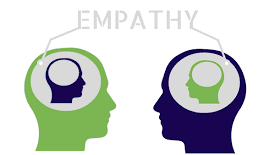
Share empathy with those who don't know they need it
The sun beat down on the asphalt as I circled the block, hunting for a parking spot. I finally spotted one near a small kiosk and began to carefully maneuver my car into the space. Suddenly, a man rushed out of the kiosk, yelling at me at the top of his lungs. He was red-faced and his words were a torrent of angry accusations, claiming I was blocking his way. I was completely taken aback. I hadn't even fully entered the space, and it certainly wasn't blocking anything obvious. His reaction seemed wildly disproportionate to the situation. Shocked and a little shaken, I simply backed out of the spot and drove away. I found another place to park a little further down the street, but the encounter left me wondering. Why such an extreme reaction?
It's easy to label this man as simply "crazy" or "rude," but the reality is usually more complex. There are likely several factors that could have contributed to his outburst. Perhaps he was having a terrible day, dealing with stress at work or at home. Maybe he had a previous bad experience with parking in that particular spot, making him overly sensitive. It's even possible that there was a misunderstanding – perhaps he thought I was blocking something important, even if I wasn't. We often make assumptions about people's intentions without knowing the full context. Sometimes, underlying anxieties or frustrations can manifest as anger in seemingly unrelated situations. He might have felt a lack of control in other areas of his life, and this small parking situation became a trigger.
So, what can we do to avoid such unpleasant encounters and potential quarrels? Here are a few thoughts:
- Empathy and Perspective: It's hard in the moment, but trying to consider the other person's perspective, even if they're acting unreasonably, can be helpful. We don't know what they're going through.
- De-escalation: As I did, removing yourself from the situation is often the best approach. It's rarely productive to argue with someone who is already highly emotional. Trying to reason with them might only escalate things further.
- Deep Breaths and Calmness: In the heat of the moment, it's easy to get caught up in the drama. Taking a few deep breaths and consciously trying to remain calm can help you make better decisions.
- Choosing Your Battles: Sometimes, it's simply not worth it. Is the parking spot (or whatever the issue may be) worth the emotional energy of a confrontation? Often, walking away is the wisest choice.
- Setting Boundaries: While empathy is important, it's also important to set boundaries. You don't have to tolerate abusive behavior. If someone is being verbally aggressive, it's perfectly acceptable to disengage and walk away.
- Understanding Triggers: Reflecting on the situation afterwards can be helpful. Try to identify what might have triggered the other person's reaction. This can help you anticipate and avoid similar situations in the future.
While we can't control other people's behavior, we can control our own reactions. By practicing empathy, de-escalation, and setting healthy boundaries, we can minimize the impact of such negative encounters and hopefully create a little more peace in our daily lives.
- Global