
Dr. Dianah W. Kamande - A Beacon of Hope for Widows and Survivors of Gender-Based Violence
May 21, 2025
story
Seeking
Feedback
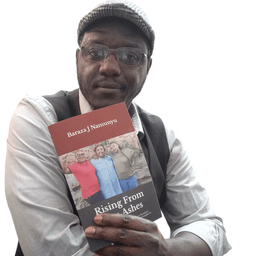

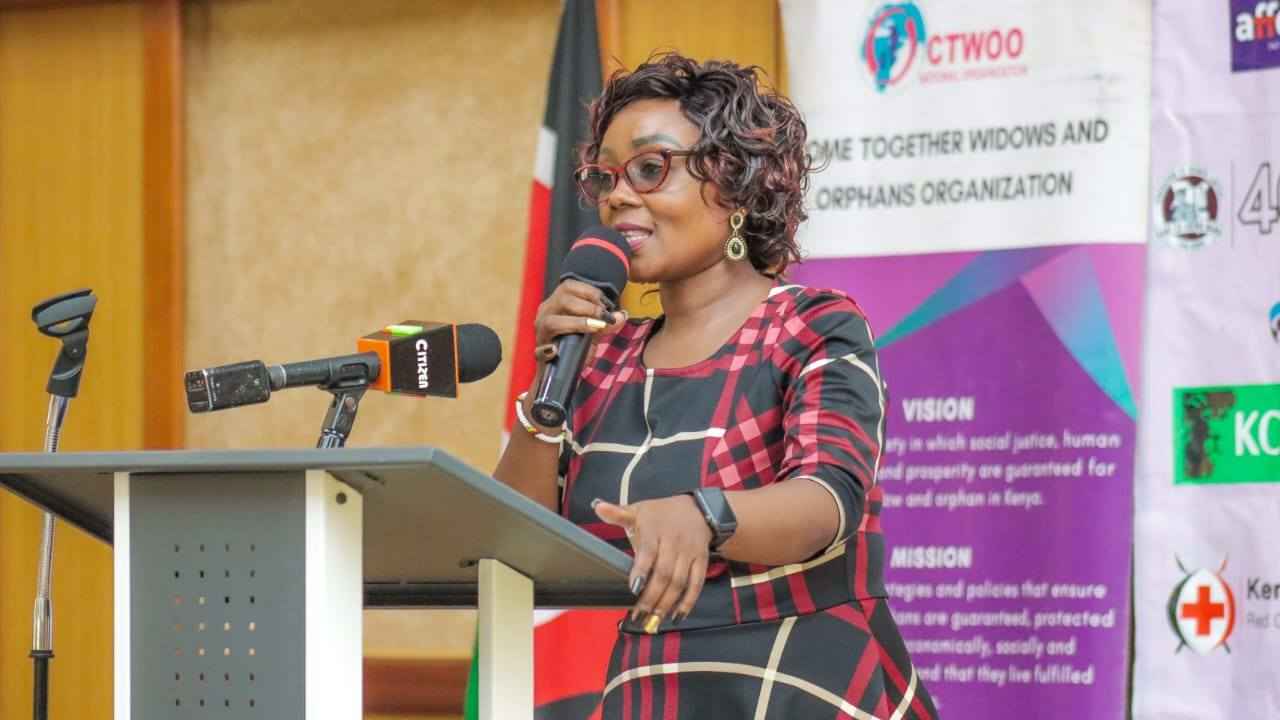
Photo Credit: Dr. Dianah W. Kamande, Facebook
"Dr. Dianah Kamande's legacy is woven with courage, resilience, and compassion."
Introduction
Dr. Dianah Kamande, a remarkable advocate for widows and survivors of gender-based violence, has received widespread recognition for her impactful work. Her journey began after she herself became a widow and a survivor of gender-based violence in 2013. This personal experience ignited her commitment to support others in similar situations. She founded the Come Together Widows and Orphans Organisation (CTWOO), which provides a platform for widows to share their experiences, receive support, and advocate for their rights.
Awards
In 2018, Dianah Kamande was awarded the Head of State Commendation (HSC) by H.E. Uhuru Kenyatta, the President of Kenya, for her exemplary efforts. Heather Ibrahim Leathers, founder of the Global Fund for Widows, presented Dianah with the Unwavering Advocacy Award, acknowledging her tireless commitment to advocating for widows' rights and survivors of gender-based violence. Dianah Kamande also received a Lifetime Achievement Award from Women in Business, a testament to her enduring dedication that extends beyond individual moments. On March 5, 2021, she became an honoree in the Zuri Awards Humanitarian category. These awards celebrate outstanding women changing communities in Kenya through their impactful work, especially during International Women’s Day.
Advocacy
Dianah Kamande's advocacy work includes significant legislative efforts. She co-authored a bill in the Kenyan Parliament aimed at protecting widows from harmful traditional practices and ensuring their rights are explicitly provided for in the law. This bill, once passed, will offer legal protection to widows and their children, safeguarding them from practices like disinheritance and widow cleansing.
Impact
Through CTWOO, many widows have gained financial independence. For instance, during the COVID-19 pandemic, CTWOO provided food packages to widows, helping them survive the crisis. Additionally, the organisation has facilitated skills training and access to affirmative action funds, enabling widows to start small businesses and support their families. CTWOO has also successfully reunited widows with their financial assets that were submitted under the Unclaimed Financial Assets Authority (UFAA). This initiative has helped many widows regain control over their finances and improve their economic stability.
Challenges
Widows in Kenya face numerous challenges, including disinheritance and property grabbing, harmful traditional practices, economic insecurity, social stigma and isolation, and violence and abuse. Widows are often denied their rightful inheritance and may be forcefully evicted from their matrimonial homes by their late husband's relatives. Practices such as widow cleansing (forced sexual relations to "cleanse" the widow) and widow inheritance (forced remarriage to a relative of the deceased husband) are still prevalent and pose significant emotional and health risks. Many widows live in extreme poverty, lacking access to basic needs such as food, clean water, and healthcare. They often struggle to provide for their children and face barriers to employment due to illiteracy and a lack of skills. Widows are frequently stigmatised and ostracised by their communities, being seen as bad omens or blamed for their husband's death. This social isolation can lead to severe emotional distress. Widows may experience physical, emotional, and sexual violence, both within their families and from the broader community.
Breakthrough
Despite these challenges, organisations like CTWOO and initiatives such as the Siaya Widows Protection Policy (SWPP) are working to improve the lives of widows in Kenya by advocating for their rights and providing much-needed support. Dianah Kamande's work is a testament to the power of resilience and advocacy in transforming lives and communities. Her efforts continue to inspire and empower many women facing similar struggles.
Interventions
Several other initiatives are working to empower widows in Kenya. The Global Fund for Widows (GFW) empowers widows through skills-based training, micro-finance, and the establishment of Widows’ Savings and Loan Associations (WISALA). These initiatives help widows gain financial independence and improve their social status. The Rona Foundation focuses on advancing the rights of widows through social and economic empowerment programs. They provide micro-business grants, conduct transformative workshops, and advocate for the protection of widows' rights at the community, county, and national levels. Stawisha Dada (STADA) empowers widows through group activities like basket weaving and small businesses. It helps widows raise funds for their families and children's education, providing them with a means to support themselves and their dependents. The Kenyan government has implemented various legal reforms, financial support programs, and awareness initiatives to support widows. These efforts aim to create a supportive environment for widows by addressing implementation challenges and collaborating with stakeholders.
Persistent Problems
Widows around the world face a variety of challenges, many of which are deeply rooted in cultural, social, and economic factors. Common challenges faced by widows worldwide include stigma and discrimination, economic insecurity, denial of inheritance rights, harmful traditional practices, lack of legal protection, and health issues. Widows often face social stigma and discrimination, being blamed for their husband's death or seen as bad omens. This can lead to social isolation and exclusion from community activities. Many widows experience severe economic hardship. They may lose access to their husband's income and property, and in some countries, they are denied inheritance rights. This economic insecurity can lead to poverty and an inability to provide for their children. In many cultures, widows are not allowed to inherit their husbands' property. This can result in them being evicted from their homes and losing their means of livelihood. Widows may be subjected to harmful traditional practices such as widow cleansing (forced sexual relations to "cleanse" the widow) and widow inheritance (being forced to marry a relative of the deceased husband). These practices can have severe physical and psychological impacts. In many countries, there is a lack of legal frameworks to protect the rights of widows. This leaves them vulnerable to exploitation and abuse, with little recourse to justice. Widows often face health challenges due to a lack of access to healthcare, poor living conditions, and the psychological stress of their situation. In some cases, they may be forced into practices that put their health at risk.
The Bigger Picture
Regional-specific challenges include extreme social ostracism in South Asia, property grabbing and harmful practices in Sub-Saharan Africa, and economic challenges and lack of social support in Latin America. Various organisations and initiatives are working to address the challenges faced by widows. The Loomba Foundation advocates for the rights of widows and provides support through education and empowerment programs. UN Women works to raise awareness about the issues faced by widows and advocates for policy changes to protect their rights. Many local non-governmental organisations provide direct support to widows, including legal aid, economic empowerment programs, and social support networks.
Final Thought
Addressing the challenges faced by widows requires a multifaceted approach, including legal reforms, economic support, and social change to eliminate stigma and discrimination. By raising awareness and advocating for their rights, we can help improve the lives of widows around the world. Dr. Dianah Kamande's legacy is woven with courage, resilience, and compassion. Her awards reflect the transformative power of advocacy and the ripple effect of her actions.
- Education
- Economic Power
- Girl Power
- Gender-based Violence
- Widows' Rights
- Survivor Stories
- Global