
Earth, Equity, and Empowerment : Unraveling Environmental Injustice
Jun 13, 2025
story
Seeking
Collaboration


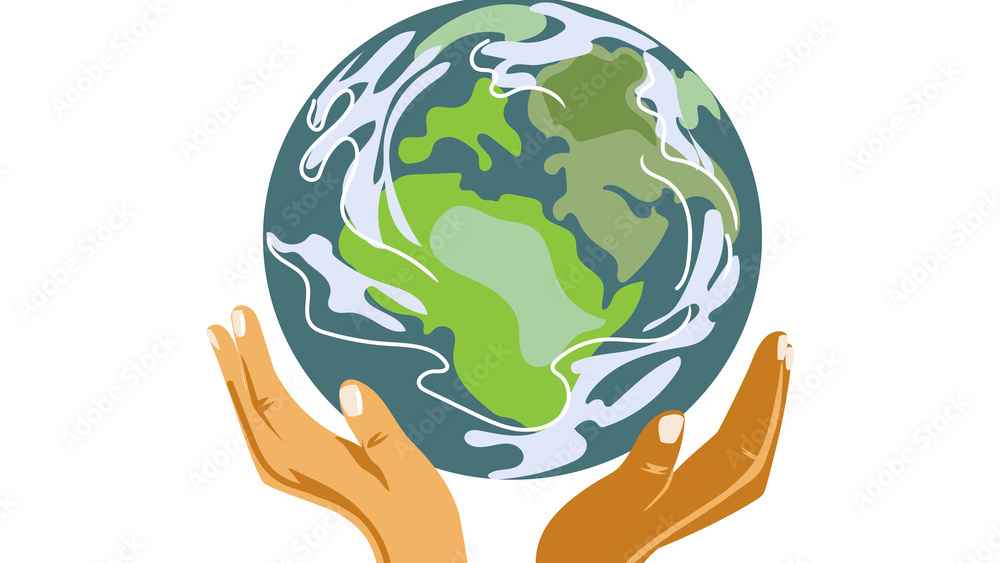
Photo Credit: Google
Beyond the Green Crisis: How Equity and Ecology Are Intertwined
In a world marked by rapid environmental change, the intricate tapestry of nature is interwoven with threads of social justice.
The deterioration of our natural environment—through climate change, deforestation, and pollution—touches every corner of the globe. In many communities, environmental crises amplify pre-existing social inequalities. Regions hit hardest by climate change are often home to people who are already marginalized, both socially and economically. This intersection of environmental degradation with poverty and limited resources can create a vicious cycle. For example, the destructive forces of storms, floods, and drought do not impact everyone equally. Those with economic means have better access to resilience-building measures, whereas low-income communities are left to fend for themselves, often facing displacement and loss of livelihood.
The dialogue surrounding environmental justice is growing louder. Activists and policymakers alike recognize that environmental degradation is not simply an ecological issue—it is deeply entwined with issues of fairness, access, and respect for human dignity. When pollution affects air quality and water resources in underprivileged communities, it is not merely an act of environmental neglect; it becomes a matter of economic injustice, where the poor suffer disproportionately.
A compelling yet often underexplored aspect of environmental issues is their intersection with gender. Women, in many parts of the world, serve as the primary managers of household water, food, and energy resources. They are the stewards of life in their communities, tasked with ensuring the day-to-day survival of their families. However, environmental degradation—whether through water scarcity, soil erosion, or natural disasters—places an enormous burden on these roles. In rural areas where traditional economies still thrive, women frequently travel long distances to fetch water or gather firewood, exposing them to heightened risks and reducing the time available for education or income-generating activities.
Furthermore, gender discrimination can exacerbate the effects of environmental crises. When natural disasters strike, women often face barriers in accessing relief resources and decision-making forums. Societal norms in many cultures restrict women’s mobility and participation in public life, which in turn limits their ability to advocate for sustainable practices or participate in rebuilding efforts after natural catastrophes.
Environmental challenges often mirror the inequalities built into our economic system. The concept of “environmental justice” underscores that all humans deserve equal protection from environmental hazards, regardless of their income or social standing. However, in practice, low-income communities and minorities frequently find themselves on the front lines of environmental harm. Industrial pollution, toxic waste dumps, and climate change-induced disasters are more likely to happen near communities that have little political clout and scant resources to fight back.
Consider the impact of climate change on agricultural communities. Smallholder farmers, who depend on a delicate balance of seasonal rains and fertile soil, often find that unpredictable weather patterns and a warming climate threaten their livelihoods. When crops fail, not only is food security jeopardized, but entire communities face economic collapse.
Perhaps one of the most profound intersections of environmental justice lies in the relationship between Indigenous peoples and the land. For countless generations, Indigenous communities have maintained a harmonious balance with nature, guided by deep spiritual, cultural, and practical knowledge of their surroundings. Their stewardship of the land has often ensured a level of biodiversity and sustainability that modern science strives to replicate. However, Indigenous rights have not always been respected in the face of economic or political pressures.
In many parts of the world, Indigenous land has become a battleground for resource extraction, urbanization, and environmental exploitation. Legal battles and conflicts over land rights are not just about property; they are emblematic of the struggle to maintain a way of life that respects both human and natural laws. Indigenous leaders reveal a powerful narrative: that protecting the environment is fundamentally about protecting their identity, culture, and future generations.
For example, in the Amazon rainforest, Indigenous groups have long resisted deforestation and mining operations that threaten not only their ancestral lands but also the global climate. Their fight is one of profound significance, aiming to balance the right to self-determination with the urgent need to address environmental decay. By highlighting these stories, attention is drawn to the often-overlooked connection between Indigenous rights and environmental stewardship, suggesting that empowering Indigenous communities can serve as a model for sustainable living.
Solutions require an integrated approach that acknowledges these intersections. Policies aimed at combating climate change and environmental degradation must include measures that empower women, support economically disadvantaged communities, and respect Indigenous land rights and knowledge. This holistic strategy not only addresses the symptoms of environmental degradation but also heals the underlying roots of inequality and marginalization.
The path forward involves a reimagining of our relationship with nature, one that is inclusive and just. It calls for innovative policies like community-led environmental management programs, gender-inclusive climate adaptation strategies, and the legal recognition of Indigenous land rights. By adopting this broader perspective, society can move away from extractive practices and towards models that celebrate diversity, resilience, and coexistence with nature.
In conclusion, the environmental crisis is a mirror reflecting the inequities embedded within our society. Gender injustices, economic disparities, and the marginalization of Indigenous voices are all magnified by the health of our planet. There is a need to unravel the interconnections, shedding light on how the fight for environmental justice is inseparable from the struggles for gender equity, economic fairness, and Indigenous rights.
Each community’s story adds a chapter to the larger narrative—a narrative that demands collective action, thoughtful policy-making, and a deep sense of responsibility towards our shared home, Earth.
By listening to the voices of those at the intersection of these struggles, we are reminded that the journey toward a sustainable future is not just about protecting nature—it is about protecting the rich tapestry of human experience woven through every community and every life. The future is shaped not in the isolated actions of the few, but in the united efforts of communities worldwide, striving to harmonize ecological health with social justice. Only by embracing this unity can we hope to heal the wounds inflicted by centuries of neglect and build a legacy of resilience and hope.
- Stronger Together
- From Distraction to Collective Action
- Revolutionary Solidarity
- Caring for Ourselves
- #FundHerNow
- Earth Emergency
- Global