
Educating the Nation, Starving at Home: The Harsh Reality of MPO Teachers in Bangladesh.
Oct 21, 2025
story
Seeking
Visibility
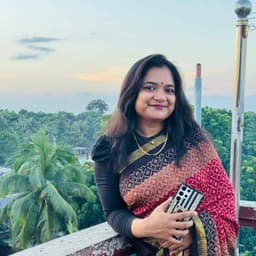

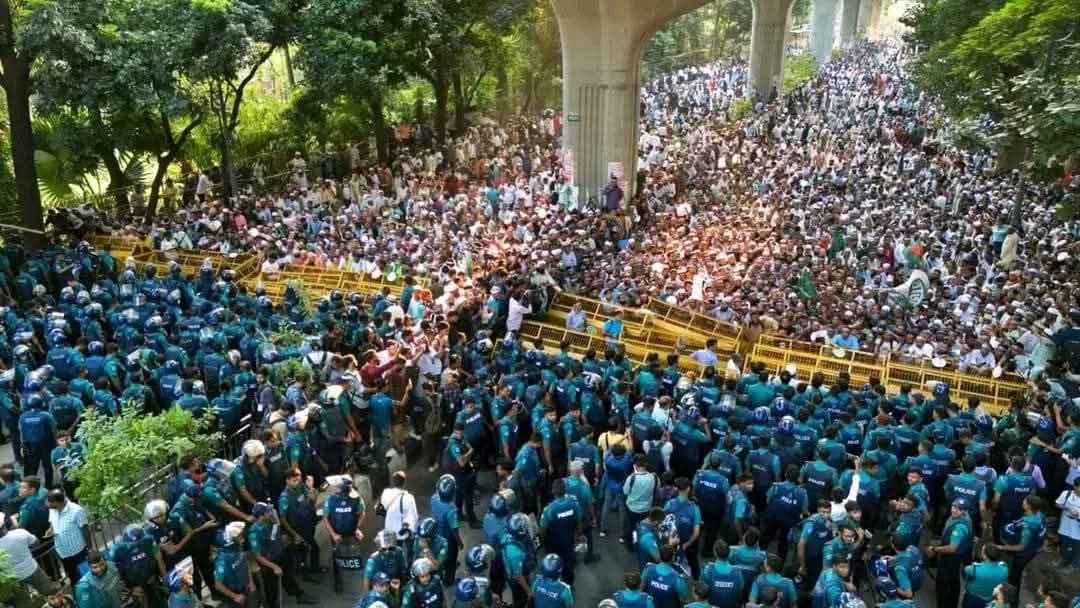
Photo Credit: Downloaded from Facebook.
A glimpse of recent teachers movement.
In Bangladesh, the foundation of secondary and higher secondary education largely depends on MPO institutions and their teachers. Yet, it is deeply regrettable that these teachers are among the most underrated and undervalued professionals in the country. Their silent struggles and sacrifices affect not only their own lives but also the quality of education in our nation.
Through this story, I want to shed light on the harsh and often overlooked reality of MPO teachers — their dedication, challenges, and unspoken pain behind a noble profession that keeps our nation’s future alive.
MPO or Monthly Payment Order, is a government funding system for non-government educational institutions. Teachers in MPO-listed schools and colleges receive their basic salary from the government according to their job grade, plus a small allowance — about 1,000 Taka (less than 10 USD) for house rent and 500 Taka (less than 5 USD) for medical purposes.
As an assistant English teacher at a secondary school /Madrasah, I started my job at Grade-11. A teacher in this grade earns about 12,500 Taka (around 100 USD) as basic pay. In total, we receive roughly 14,000 Taka (about 115 USD) per month. This is shockingly low compared to teachers in many other Asian or European countries. Even government primary school teachers earn around 20,700 Taka (about 170 USD), which is significantly higher.
With such a small income, most MPO teachers struggle to provide for their families and meet their basic needs. The situation of junior teachers is even worse.
There are about 21,000+ secondary and higher secondary institutions in Bangladesh. Among them, only around 691 are government institutions — the rest are MPO-listed.
When it comes to teachers, around 278,000 are employed in government schools, while 400,000–520,000 teachers work in MPO institutions. This shows that the majority of Bangladesh’s teachers serve in MPO institutions, yet their pay and benefits are far below what they deserve.
Despite being highly qualified and going through long, competitive recruitment procedures, MPO teachers do not receive the same respect or benefits as government teachers. Many even face social humiliation because of their poor financial condition.
With such limited income, many teachers cannot fulfill even the most basic needs of their families. Some struggle to buy groceries during the last week of every month.
In my own workplace, I have seen this pain closely. One of my colleagues, an elderly teacher, told me, “I even can’t afford my diabetes and blood pressure medicines sometimes .” Another said that he could not pay his children’s tuition fees many times as he has to maintain a huge family.
Female teachers often manage a bit better when their husbands can support the household, but many male teachers, especially those who are the only earners, suffer the most.
This financial pressure deeply affects teachers’ mental health and motivation. When a teacher is constantly worried about survival, it becomes difficult to stay focused in class or bring creativity into lessons. Many teachers are forced to take private tuitions or side jobs, leaving them exhausted and unable to improve their teaching quality.
In our society, people are often valued based on their financial status. Teachers, who shape the nation’s future, are ironically looked down upon because of their low income.
People pretend to respect teachers, but in reality, they often see them as poor and unsuccessful. For me, this is not only a personal pain — it is an insult to the entire nation.
A country that neglects its teachers cannot expect to build an educated generation.
Last month, MPO teachers from across Bangladesh began a movement to demand fair treatment. They requested a 20% house rent allowance, better medical benefits, and festival bonuses — the same facilities that government and primary school teachers already enjoy.
On October 12, teachers from all over the country gathered in Dhaka to raise their voices. Sadly, the police tried to stop them with water cannons, and some were even physically assaulted and arrested.
In my district, Magura, we also protested in solidarity. I actively joined both online and offline to support the movement because our demands are fair and necessary.
The government can easily solve these problems by recognizing MPO teachers’ contributions and revising their pay structure. Providing pensions, proper healthcare, and professional training would make a huge difference.
These are not luxuries — they are basic rights for the people who educate the nation’s children. Without direct government involvement, there will be no sustainable solution to this crisis.
Teachers play the most vital role in shaping a nation’s policies, values, and progress. MPO teachers fulfill this role wholeheartedly despite their hardships. If they continue to be neglected, it will become not only a threat to education but also a shame for the nation.
Jannatul Ferdaus Babli,
(An assistant English teacher at a secondary madrasa in Bangladesh. I want the fair treatment of MPO teachers and believe that true national development begins with valuing educators.)
#Education #TeachersRights #Bangladesh #SocialJustice #WomenVoices #EducationInequality #Empowerment
- Human Rights
- Education
- Moments of Hope
- Global