
Empowering African Society Through Action - How Usikimye Builds a Safer Future for Kenya
Jul 30, 2025
story
Seeking
Connections


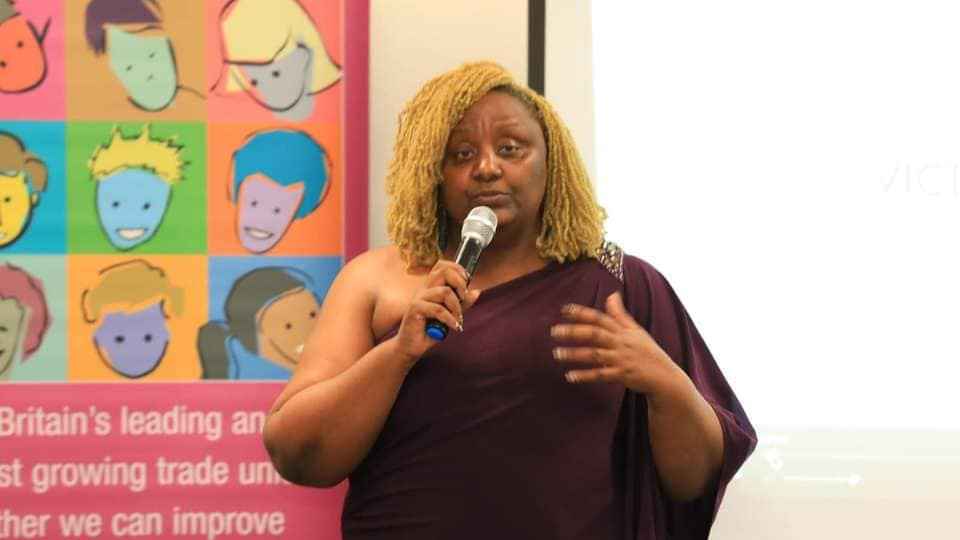
Photo Credit: Njeri Wa Migwi, Facebook
"Under Njeri wa Migwi’s leadership, the organisation has grown into a transformative force that not only responds to violence but actively works to prevent it."
Introduction
Njeri wa Migwi, a Kenyan intersectional feminist and human rights defender, has emerged as a leading voice in the fight against gender-based violence (GBV). With over 80,000 followers and a growing national presence, her work through Usikimye—a grassroots organisation she founded—has become a beacon of hope for survivors. While Usikimye is widely known for its crisis response and shelter services, its long-term impact lies in its transformative programs that address the root causes of violence and inequality.
Programs That Empower
Beyond offering immediate support to survivors, Usikimye runs several strategic programs designed to create lasting change. These initiatives focus on prevention, education, and systemic reform, ensuring that survivors are not only protected but also empowered to thrive.
Femicide Accountability and Community Empowerment (FACE):
One of Usikimye’s most urgent and impactful initiatives is the Femicide Accountability and Community Empowerment (FACE) program. This initiative was launched in response to the alarming rise in femicide cases across Kenya. FACE aims to bring national attention to these tragedies, many of which go unreported or unresolved.
Through this program, Usikimye:
- Documents and tracks femicide cases, creating a public record that holds institutions accountable.
- Supports affected families, offering legal aid, counselling, and community solidarity.
- Advocates for legal reform, pushing for femicide to be recognised as a distinct and punishable crime under Kenyan law.
FACE is not just about justice for victims—it’s about changing the culture that allows such violence to persist. By naming the problem and demanding accountability, Usikimye is helping to shift public discourse and policy.
Watoto Washibe (Let the Children Eat):
Recognising that violence and poverty are deeply interconnected, Usikimye launched Watoto Washibe, a child-centred program that addresses food insecurity and educational inequality. The name, which means “Let the Children Eat,” reflects the program’s mission to protect vulnerable children from exploitation and neglect.
Watoto Washibe provides:
- Nutritious meals to children in underserved communities, ensuring they have the energy and health to attend school.
- School supplies and uniforms, removing financial barriers to education.
- Mentorship and psychosocial support, helping children build confidence and resilience.
By investing in children’s well-being, Usikimye is breaking cycles of poverty and violence before they begin. The program empowers young people to stay in school, dream bigger, and grow up in safer environments.
Digital Advocacy: Justice in the Age of Social Media:
Njeri wa Migwi has harnessed the power of digital platforms to amplify her message and reach those in need. Her strong online presence has turned social media into a tool for justice, education, and rapid response.
Through digital advocacy, Usikimye:
- Responds to distress calls from survivors who reach out via direct messages, often coordinating immediate rescues or interventions.
- Educates the public on issues such as consent, legal rights, and gender equality through informative posts and live discussions.
- Mobilizes communities to support survivors, raise funds, and demand accountability from institutions.
This digital-first approach has made Usikimye accessible to people across Kenya, especially in areas where formal support systems are lacking. It also allows the organization to respond quickly and publicly, putting pressure on authorities to act.
Lessons to Learn
Njeri wa Migwi’s work through Usikimye offers valuable insights into how grassroots activism can drive systemic change. Her programs are not just reactive—they are proactive, strategic, and deeply rooted in community needs.
1. Empowerment Requires More Than Rescue
True empowerment involves addressing the root causes of violence and inequality. Usikimye’s programs go beyond crisis response to create long-term solutions.
2. Data and Documentation Matter
By tracking femicide cases and documenting survivor stories, Usikimye builds evidence that can influence policy and public opinion. Visibility is a powerful tool for justice.
3. Children Deserve Protection and Opportunity
Programs like Watoto Washibe show that protecting children from hunger and neglect is essential to preventing future cycles of violence.
4. Technology Can Be a Lifeline
Digital advocacy has allowed Usikimye to reach more people, respond faster, and build a national movement. Social media, when used responsibly, can be a powerful force for good.
Reflection
Usikimye is more than a shelter—it is a movement of hope, healing, and justice. Under Njeri wa Migwi’s leadership, the organisation has grown into a transformative force that not only responds to violence but actively works to prevent it. Through programs like FACE, Watoto Washibe, and digital advocacy, Usikimye is building a future where survivors are empowered, children are protected, and communities are educated and engaged. Njeri’s journey reminds us that real change begins with bold ideas and compassionate action. Her work teaches us that silence is not an option, and that justice requires both courage and community. In a world where too many suffer in silence, Usikimye stands as a powerful reminder that one voice—when raised with purpose—can echo into a movement that transforms lives.
- Leadership
- Gender-based Violence
- Moments of Hope
- Stronger Together
- Our Impact
- Caring for Ourselves
- Global