
#ENDVIOLENCE AGAINST Congolese woman refugee
Dec 6, 2024
story
Seeking
Visibility
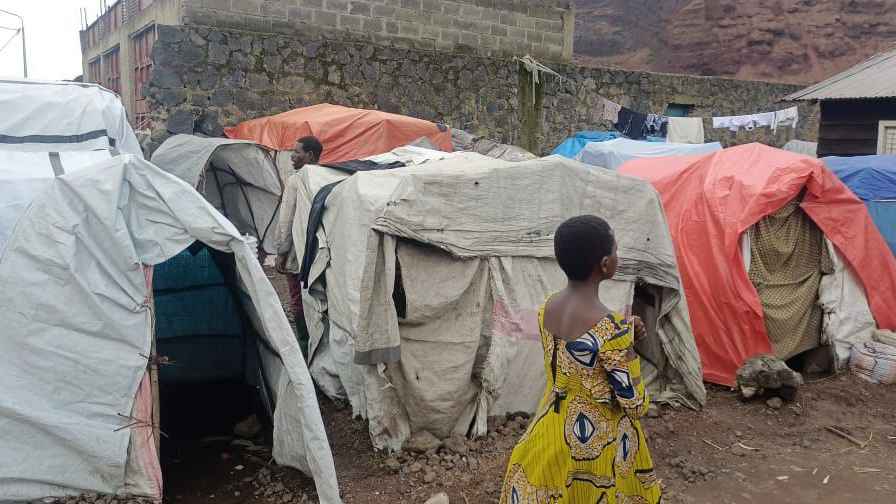
Despite improved access to water, latrines and other basic services in some sites in recent months, women continue to live in poor hygiene conditions. “I often have infections, and it’s very difficult to get soap,” laments a young woman who was three months pregnant in Rusayo camp. In the maternity ward supported by MSF in Kanyaruchinya, a woman who has just given birth says she hasn’t had anything to eat since the day before. “Food gives you strength. If I don’t eat, the baby won’t have anything to eat either, I need to have milk to give him.”
“We are a humanitarian medical organisation, other actors and the Congolese authorities must do more to prevent violence against women, ensure their protection in the camps and put an end to impunity for the perpetrators of these crimes,” says Rasmane Kabore. “To this end, donors must continue to increase their funding and humanitarian aid actors their efforts to improve the conditions of women; this includes better access to food, the distribution of fuel and cooking equipment, the establishment of social and legal protection services so that women feel safe. For victims, a holistic approach, based on their needs and preferences and substantial economic support must be implemented to enable them to reintegrate into society,” he concludes.
- Global