
Equality and Fairness: Building a More Inclusive Future
Oct 1, 2025
story
Seeking
Action
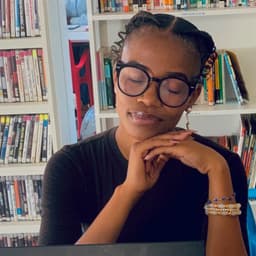

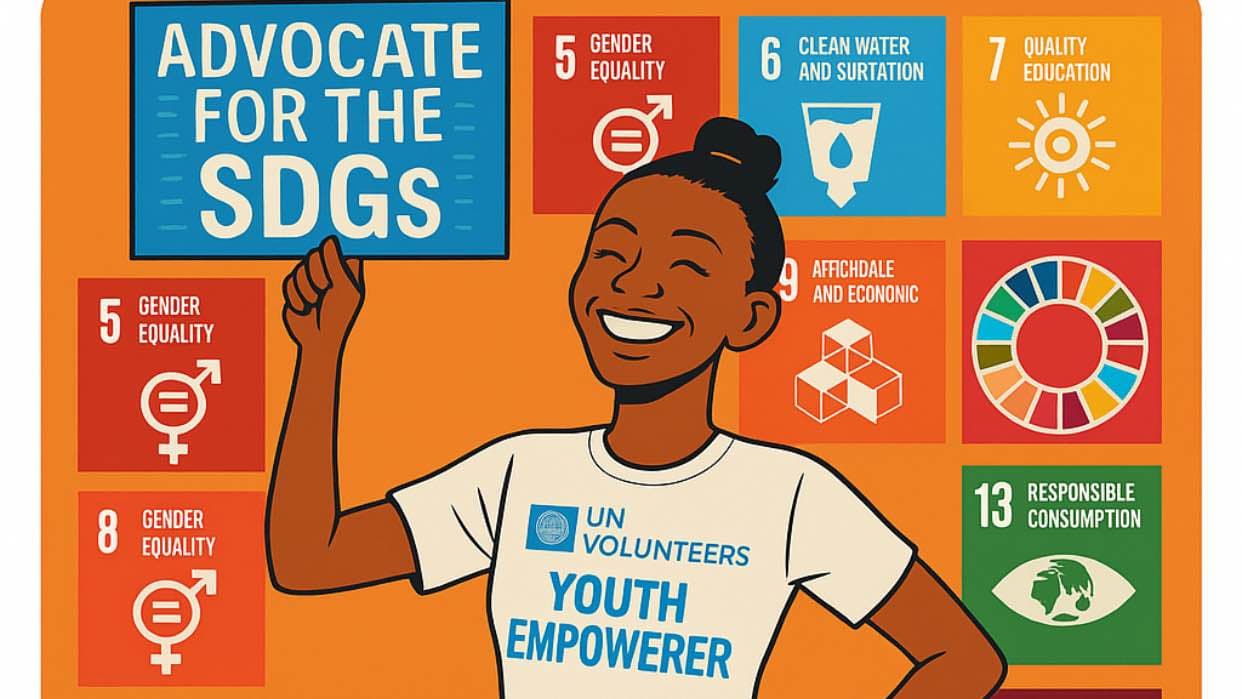
Photo Credit: United Nations Volunteers
Equality is not a privilege — it is a right, and it is the path to a truly sustainable future.🇱🇸🌍
September marked Global Goals Month, a time to reflect on the progress we are making toward the Sustainable Development Goals (SDGs). As an advocate for these goals, I am constantly reminded of how essential equality and fairness are to creating a just and sustainable world. Gender equality, in particular, is not only a goal in itself (SDG 5), but also a principle that cuts across all other goals — from health and education to peace, climate action, and decent work.
To move forward, we first need a common understanding of gender concepts. Gender equality does not mean prioritizing one group over another; rather, it is about ensuring that both women and men, girls and boys, have equal opportunities to thrive. At the same time, it requires us to recognize the ways in which our social systems, traditions, and policies have historically perpetuated inequalities. Women’s rights — not just women’s “empowerment” — must remain central in this conversation, because rights create lasting change and shift power structures.
We cannot ignore the role of gender norms. Across the world, unspoken rules shape how people are expected to look, behave, and live. Men are often pressured to be strong, dominant, and unemotional. Women, on the other hand, are expected to be modest, nurturing, and family-focused. While these qualities can hold value, they should never limit an individual’s freedom or potential. For instance, men also deserve the space to be vulnerable, to speak openly about mental health, and to share responsibilities at home. Women deserve the chance to lead, innovate, and be ambitious without being told that leadership or independence is “unfeminine.”
Inclusion must extend beyond traditional gender roles. Equality means supporting people regardless of sexual orientation, disability, religion, race, ethnicity, or age. The LGBTQ+ community, for example, continues to face discrimination simply for existing outside conventional norms. Similarly, people with disabilities are too often excluded from opportunities, despite their capacity to contribute meaningfully to society. True fairness requires that everyone, in every community, is given dignity, acceptance, and the right to self-expression.
As communities, workplaces, and organizations, we must create systems that encourage fairness and shared leadership. Both women and men should have equal voices in shaping decisions that affect their lives. At my own organization, Leaders of Change, which is proudly woman-led, we make it a priority to give women space to take on leadership roles. Ambition should never be discouraged — whether in a man or a woman. What matters is that leadership is exercised with compassion, integrity, and the humility to serve others.
Gender equality is not about erasing differences between men and women, but about ensuring those differences do not become barriers. It is about removing discrimination and giving every person the chance to contribute fully to society. The qualities we value — strength, resilience, nurturing, creativity — are not bound by gender. They belong to humanity as a whole.
As we move forward from Global Goals Month, let us recommit ourselves to the idea that equality and fairness are the foundation of sustainable progress. To achieve the SDGs, we must work together across all divides, supporting one another regardless of religion, sexual orientation, disability, ethnicity, nationality, race, gender, or age. Only then can we build communities that are truly inclusive, compassionate, and ready to face the challenges of our time.
References
The United Nations Website
The global Goals Website
- Leadership
- Environment
- Peace & Security
- Human Rights
- Education
- Girl Power
- Global