
fight against domestic violence in the Democratic Republic of Congo
Jan 16, 2025
initiative
Seeking
Encouragement

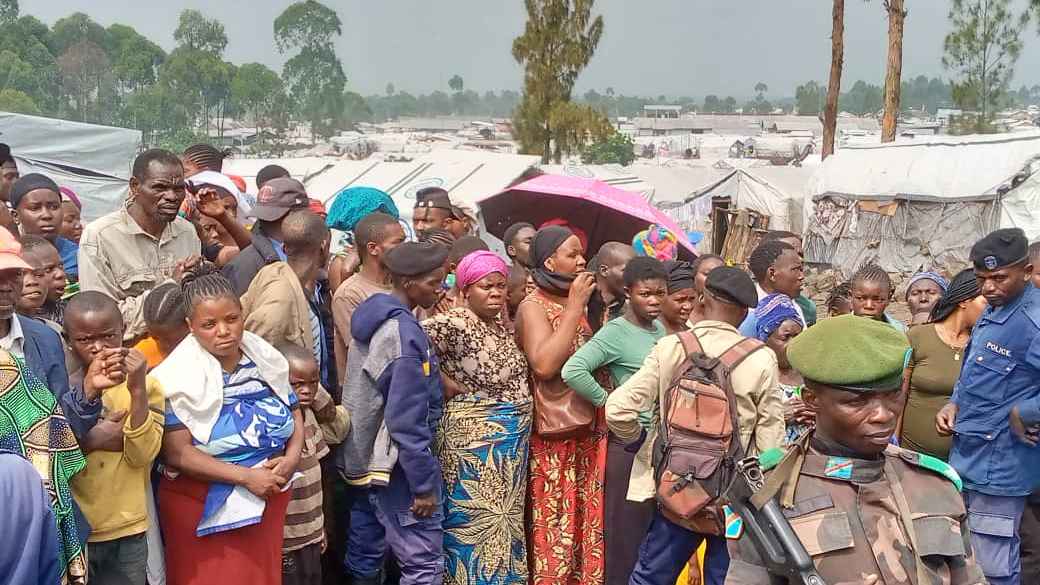
The fight against domestic violence in the Democratic Republic of Congo (DRC) is a critical issue, given the prevalence of violence, including gender-based violence (GBV), due to societal, cultural, and economic factors. Addressing this requires a multifaceted approach involving legal, social, and cultural interventions. Below are key aspects of the fight against domestic violence in the DRC:
1. Understanding the Context
- Prevalence: Domestic violence, including intimate partner violence, is widespread, exacerbated by poverty, conflict, and deeply rooted patriarchal norms.
- Cultural Factors: Social norms often tolerate or trivialize violence against women, seeing it as a private family matter.
- Conflict and Instability: Armed conflicts have contributed to high levels of violence, normalizing aggression in many communities.
2. Key Strategies in Combating Domestic Violence
A. Strengthening Legal Frameworks
- Laws in Place:
- The 2016 Law on Prevention and Fight Against Sexual Violence criminalizes various forms of GBV.
- The Family Code was revised in 2016 to improve women’s rights in marriage.
- Challenges:
- Lack of enforcement due to corruption, lack of awareness, and weak judicial systems.
- Actions Needed:
- Train law enforcement and judicial officials on GBV cases.
- Increase access to legal assistance for survivors.
B. Awareness and Education Campaigns
- Community Engagement:
- Conduct community dialogues to challenge harmful cultural norms that justify violence.
- Partner with religious and traditional leaders to promote gender equality.
- Educational Initiatives:
- Include GBV awareness in school curricula.
- Promote women's rights through media campaigns.
C. Support Services for Survivors
- Healthcare:
- Strengthen access to medical services for victims, including trauma care and psychological support.
- Provide training to healthcare providers to identify and assist GBV survivors.
- Shelters and Safe Spaces:
- Establish more shelters and safe spaces for women and children fleeing violence.
- Economic Empowerment:
- Provide vocational training and economic opportunities to empower survivors financially.
D. Addressing the Root Causes
- Economic Dependency:
- Create income-generating programs for women to reduce dependency on abusive partners.
- Gender Inequality:
- Advocate for policies and programs that promote women's empowerment and gender equality.
- Conflict Resolution:
- Address the broader issue of conflict and insecurity, which perpetuates violence.
3. Key Stakeholders and Their Roles
- Government:
- Enforce existing laws and allocate resources for GBV prevention and response.
- Collaborate with international organizations for funding and expertise.
- Civil Society Organizations (CSOs):
- Provide direct services such as counseling, legal aid, and shelter.
- Advocate for policy changes and monitor the implementation of laws.
- International Community:
- Fund initiatives to combat domestic violence and support survivors.
- Offer technical assistance to strengthen local capacities.
- Community Leaders:
- Lead efforts to change harmful practices and attitudes at the grassroots level.
4. Examples of Progress
- Programs like the United Nations Joint Human Rights Office (UNJHRO) work to strengthen the DRC's legal and institutional response to GBV.
- Local organizations like Women for Women International provide vocational training and psychosocial support to survivors.
- Initiatives such as the Panzi Hospital, founded by Dr. Denis Mukwege, offer world-class care to victims of sexual violence.
5. Challenges to Overcome
- Limited funding and resources for GBV prevention and response.
- Deep-seated cultural norms that perpetuate violence.
- Insecurity in conflict-affected areas, hindering program implementation.
- Weak infrastructure and lack of coordination among stakeholders.
Conclusion
The fight against domestic violence in the DRC requires sustained efforts from all sectors of society. By strengthening legal protections, addressing cultural norms, and providing comprehensive support to survivors, significant progress can be made. Continued advocacy, funding, and community engagement are critical to breaking the cycle of violence and empowering women in the DRC.
- Human Rights
- Gender-based Violence
- Environment
- Girl Power
- Revolutionary Solidarity
- Global