
Fighting for Change:My Journey to End Violence Against Women
Nov 6, 2024
story
Seeking
Collaboration
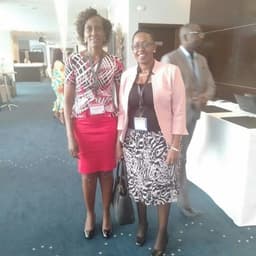
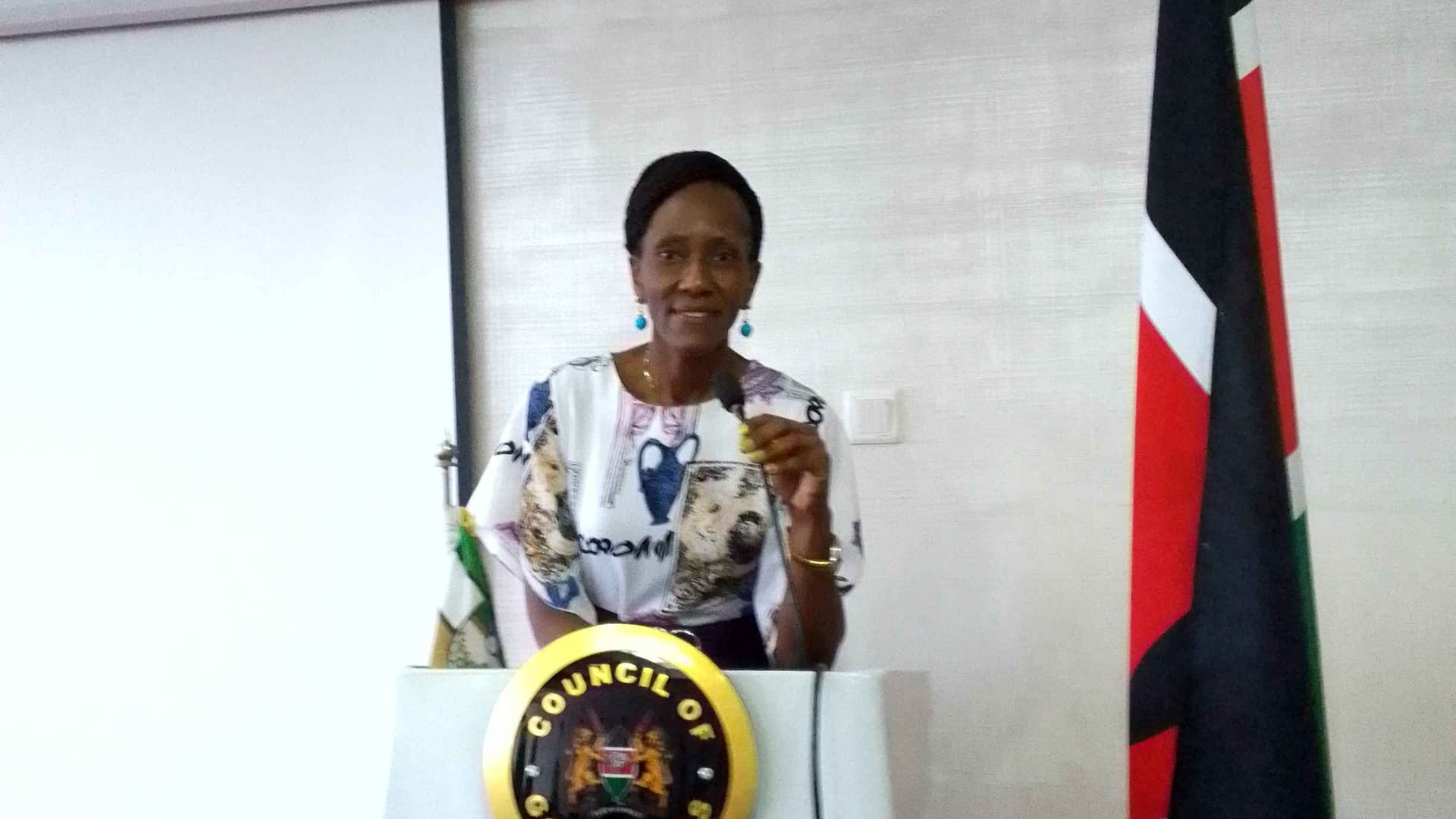
Photo Credit: Kristine Yakhama
When I first began my journey to end violence against women, I was motivated by a deep sense of injustice. I’d witnessed the devastating impact that violence — whether physical, emotional, or sexual — had on women in my community. Too often, these women felt silenced, isolated, or too afraid to speak out. I knew I had to do something to help change that.
The Efforts: Raising Awareness and Providing Support
The first step was awareness. I began working with local organizations to offer educational workshops on the signs of abuse and the importance of healthy relationships. Through these workshops, we empowered both men and women with the knowledge to identify and address violence when it occurs.
I also helped create a network of support services for survivors, including counseling, legal advice, and safe spaces. This involved working closely with shelters, legal aid organizations, and healthcare professionals to ensure that survivors could find the help they needed, whether it was a place to stay or assistance navigating the legal system.
Additionally, I worked to change the narrative around domestic violence in our community by sharing stories of survivors and the resources available to them. Through social media campaigns, community events, and collaborations with local influencers, we created a space where women could speak up without fear of judgment or retaliation.
The Successes: Making a Difference
Over the years, I’ve witnessed tangible change. More women have come forward with their stories, and more people have become aware of the resources available to help victims of violence. One of our most notable successes was the launch of a 24/7 helpline that connected women to immediate support and information. Within the first few months, we had over 300 calls, many of which led to women finding safety, legal protection, and mental health counseling.
Another success was working with local law enforcement to train officers on handling domestic violence cases with greater sensitivity and understanding. This led to a noticeable shift in how survivors were treated by the justice system, with more cases being handled with care and urgency.
But perhaps the most rewarding success was hearing from survivors who found the courage to leave abusive situations and rebuild their lives. One woman told me that the awareness campaign gave her the strength to reach out for help, which eventually led her to escape an abusive relationship and regain control over her life.
The Challenges: Navigating the Obstacles
Of course, there have been many challenges along the way. The stigma surrounding domestic violence remains a major barrier. Many survivors are still afraid to speak out, fearing they won’t be believed or that they’ll face backlash. Additionally, societal attitudes that normalize or dismiss violence against women continue to persist, making it difficult to change mindsets.
Resources for survivors are often scarce, especially in rural or underserved areas, and funding for programs like shelters or hotlines can be inconsistent. We've had to constantly advocate for more resources, as demand often exceeds supply.
Moreover, systemic issues, such as underreporting of cases and insufficient legal protections, have made it harder to secure justice for survivors. The road to legislative change is slow, and we often encounter resistance from those who don’t understand the full scope of the problem or who are indifferent to the struggles faced by women.
Looking Ahead: A Collective Effort
Despite these challenges, I remain hopeful. Ending violence against women is a collective effort that requires the involvement of everyone — from governments to grassroots organizations, from individuals to communities. I’ve learned that progress takes time, and it often requires patience and persistence.
Through continued advocacy, education, and support, we can create a society where women are safe, valued, and heard. It’s not an easy path, but it’s one that I am committed to walking for as long as it takes.
This narrative blends personal reflection with action and highlights both the successes and challenges of working to end violence against women. It’s an example of how one person or group can contribute to the larger movement, and it acknowledges the ongoing struggle while celebrating progress.
- Human Rights
- Gender-based Violence
- Global