
From Chalkboards to Change: My Journey as a Voice for the Marginalized
Jun 18, 2025
first-story
Seeking
Visibility
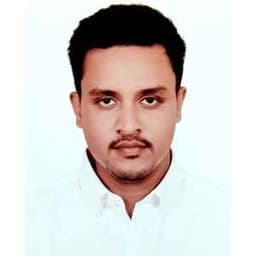

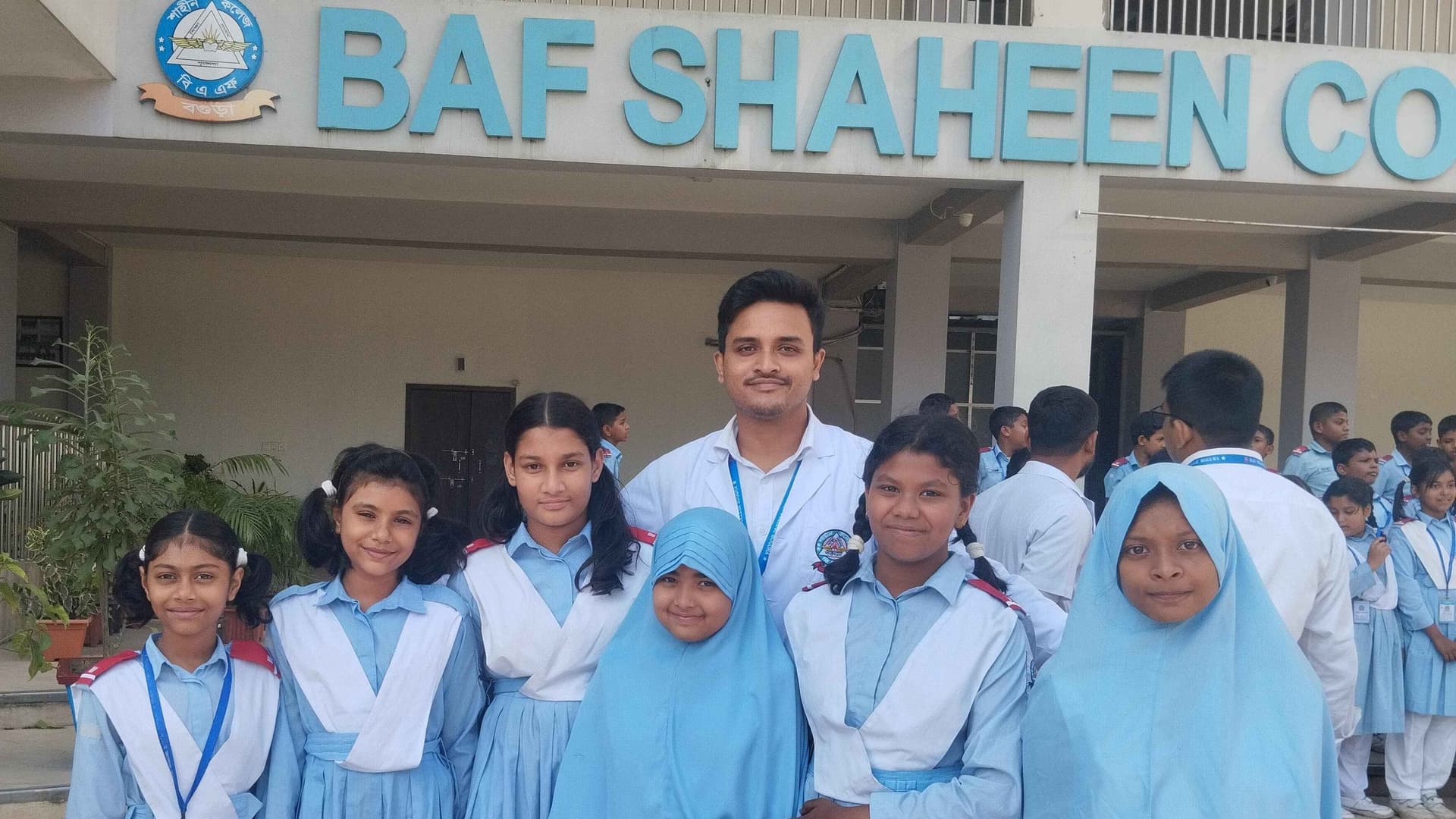
Photo Credit: #PhotoBy #AsadullahAlHasib
A chapter ends, but the memories live on. So proud of each bright soul in this frame—may your journey ahead be filled with light, learning, and limitless possibilities. 💫📚 #EndOfSession #TeacherMoments #ForeverMyStudents
I was born in a small town in northern Bangladesh, where the air smells of earth after every rain and dreams often stay folded beneath the weight of survival. In my childhood, ambitions were whispered, not spoken. Yet I was lucky lucky to have parents who valued learning, lucky to have teachers who believed in my potential, and above all, lucky to hold a pen when so many held only burdens.
That luck became my compass.
Education was not just a subject for me, it was a portal. I remember the first time I recited a poem in class. The words clung to my tongue like magic, and for a brief moment, I felt seen. That moment shaped me. I realized stories are more than words; they are tools of transformation.
Years later, I would carry this belief through mud-drenched village paths, cyclone hit coastal zones, and sun-cracked courtyards of rural schools as a grassroots development worker with BRAC and ESDO. There, I met the truest faces of resilience: barefoot children attending class under a banyan tree, mothers teaching daughters to dream beyond boundaries, grandmothers saving coins in secret so their granddaughters could buy books instead of bangles.
I worked in communities that are invisible on most maps. In homes made of corrugated iron, with rice sacks for doors, I sat and listened. A woman once told me, “I don’t want charity. I want to learn to read the names of medicines.” Another whispered, “My daughter must go further than I ever did.” These voices changed me. They taught me that empowerment is not loud. It often arrives softly, like a breeze through broken walls.
In those remote regions, the schools were sometimes nothing more than a chalkboard nailed to a mango tree, or a single room with no roof and no furniture. But the hunger to learn was real more real than any degree I’d earned. I’ve taught children who crossed rivers to attend class. I’ve seen girls who stitched notebooks from discarded paper because they refused to be left behind. Their hope was never absent, it was fierce.
Eventually, I returned to city life, where I now serve as a teacher at BAF Shaheen College, a regulated institute in an urban setting. My classroom has projectors, fans, structured routines, and neat uniforms. It’s a place many dream of a stark contrast to the makeshift learning spaces I came from.
But the contrast haunts me.
Because I’ve seen the other side, the side where a child skips lunch to buy a pen, where a teacher teaches under a leaking roof, where a student’s eyes carry the ache of yesterday’s labor. And so, I carry those stories with me into my classroom. I don’t just teach English grammar or literature. I teach empathy, resilience, and resistance.
I tell my students about Pahari, a woman I met during a BRAC session. She lived in a one-room hut, couldn’t write her name, but could quote Tagore with the clarity of a scholar. “I didn’t get the chance,” she told me. “But my granddaughter will.” She had no books, but her voice carried the wisdom of libraries. These are the people I teach for. These are the stories I teach with.
Being in both spaces rural and urban, marginalized and privileged has given me a dual lens. I’ve learned that development is not only about infrastructure; it’s about inclusion. Real change doesn’t just come from funding projects. It comes from hearing silenced voices, validating invisible struggles, and amplifying local dreams.
In my time as a grassroots worker, I learned that transformation hides in the smallest moments. A child answering a question for the first time. A woman signing her name on a form. A father allowing his daughter to stay in school. These are micro-revolutions. These moments remind me that while governments debate and donors draft policies, people build future quietly, every day.
I do not see myself as a savior. I am not here to uplift anyone from some imagined pedestal. I am here because I, too, am lifted by every story whispered in the dark, every hand that reached out with trust, every life that dared to dream despite everything.
So here I am. A village boy who once wrote poems under a flickering bulb, now standing in classrooms with fluorescent lights but never forgetting the candle lit huts where change truly begins. I believe in education that transforms, in language that liberates, and in stories that bridge worlds.
I write not just to speak, but to listen. I teach not just to inform, but to inspire. And through platforms like World Pulse, I hope to connect with other voices rising from silence voices that carry courage, conviction, and care.
This is just the beginning of my story. I’m here not to echo, but to engage. To walk beside, not ahead. To be part of a global sisterhood and brotherhood that refuses to give up on equity, on education, or on each other.
With solidarity,
Shubhraprakash Chowdhury
Educator | Writer | Social Worker | Bangladesh
#TransformativeEducation #StorytellingForChange #WorldPulseVoices #Bangladesh #HumanRights #YouthEmpowerment
- First Story
- Behind the Headlines
- Global