
From Distraction to Collective Action: How a Facebook Comment Sparked a Movement
Mar 4, 2025
story
Seeking
Feedback
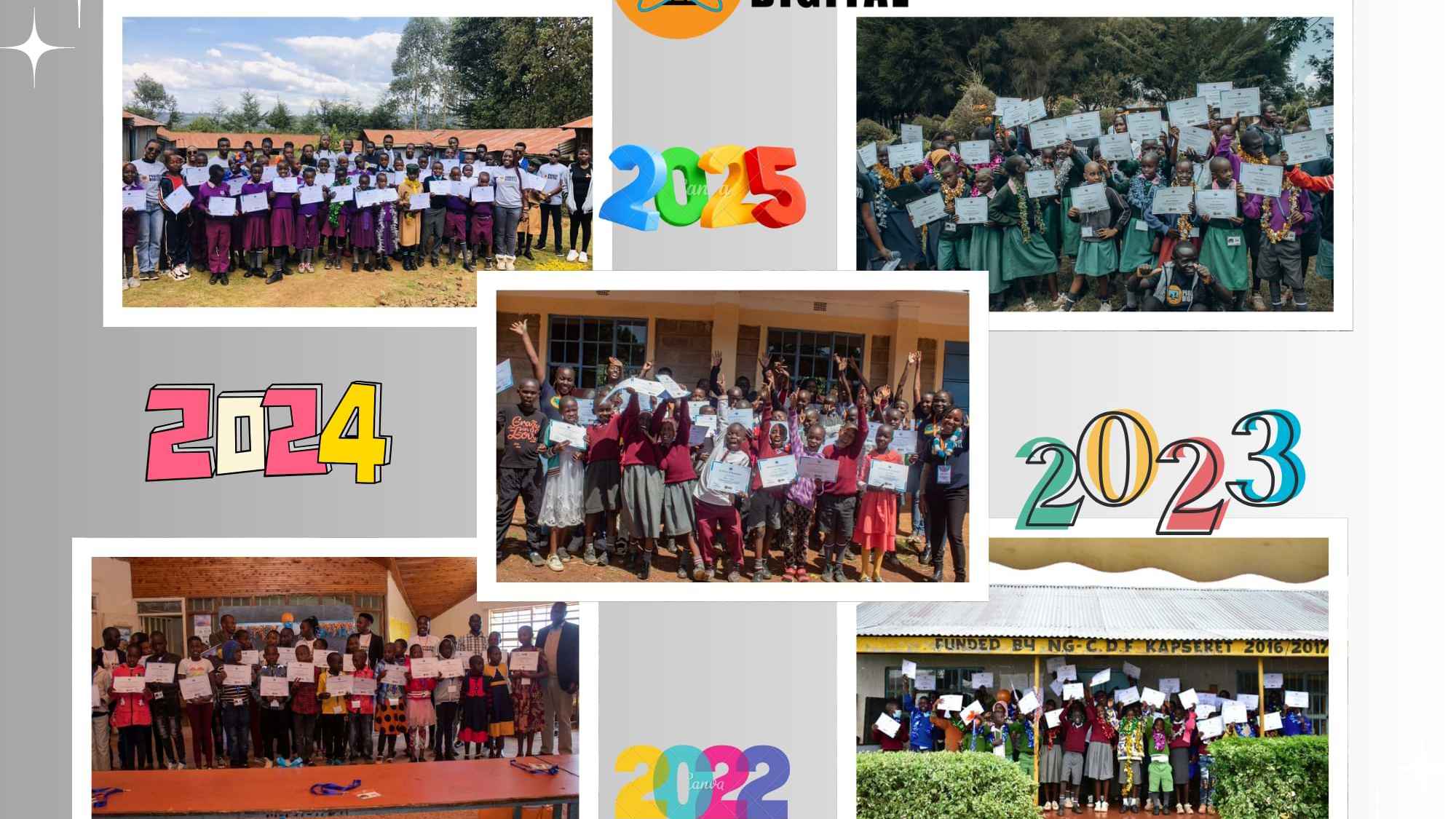
our amazing cohorts since 2022
It started in 2020, on one of those quiet mornings when my mind wandered aimlessly and my fingers scrolled mindlessly through Facebook. I can’t say with certainty whether it was a UNESCO post, a UNICEF feature, or just one of those global development stories I used to follow religiously back then. The finer details have blurred with time, but the heartbeat of that story — the way it stirred something deep inside me — remains crystal clear.
The post was about a man from Liberia named Joel, who had reached out to a stranger across the world — a YouTuber named Ben Taylor — asking for help. Joel’s message, like so many sent from struggling communities, was met with suspicion. But instead of ignoring it, Ben responded. He asked for photos, proof of the village Joel wanted to help. The photos were blurry, taken with a worn-out phone, but they held something rare: raw honesty, human vulnerability, and a glimpse into life as it truly was.
That fragile thread of digital trust sparked something beautiful. Ben sent Joel a small camera to take better pictures. Those images became a photobook titled By D Grace of God, which Ben sold across 40 countries. Every cent went back to Joel’s village — funding school supplies, supporting education, and building the foundation for real change in a community that had once been invisible to the world. Two strangers, connected by nothing but the thin thread of a single message, transformed suspicion into collaborative action.
That story stayed with me — not just as a heartwarming tale, but as a provocation.
What if the chaotic, noisy digital spaces we often escape into could become something more?
What if they could become bridges between dreamers and believers, believers and action?
Moved by that story, I left a comment under the post. It was almost careless, almost whispered into the void:
"Some of us are just a blessing away from helping hundreds. We have the will, the honesty, the vision — all we lack are the resources to build each other."
I didn’t expect anyone to see it. But someone did.
A woman, thousands of miles away, replied.
"What’s your dream?" she asked.
"How can I help?"
I wasn’t ready for that question. Not really.
I had dreamed, yes — of teaching rural children about the digital world, about opportunities beyond their villages, about a future where they belonged in global conversations. But I had no roadmap, no plan, no funding — just a longing and a blurry vision.
That woman’s message became the first brick in the foundation of Project Digital Impact Foundation.
With her guidance, we launched our first GoFundMe campaign. In 2022, we held our very first digital literacy bootcamp, training children who had never touched a computer before — children whose eyes lit up at the simple magic of a screen responding to their touch.
From one school to two, then to three — the movement grew. Last season, we reached a remote village where 30 children, who had only ever seen computers in textbooks, gathered for training. When it ended, they handed us handwritten letters — words brimming with gratitude, wonder, and hope.
"Thank you for seeing us," they wrote.
"Thank you for teaching us that we are enough — that we belong in this world too."
That moment was a reminder: This was never just about computers.
It was about visibility, dignity, and belonging.
And our story didn’t stop there.
The same digital space that introduced me to my first supporter opened yet another door — this time with students from the International Business program at HAMK University of Applied Sciences. Prabhashi Jayawardana, Marat Skromnov, Selina Winter, Sophie Vilsmeier, Kai Rusch, and Ernest Beliasov were searching for a meaningful project to blend their learning with real impact. Through virtual collaboration, we designed a project to create a digital hub at Twins Bright Academy in Eldoret, Kenya — a safe space where rural children could access technology and knowledge long after our workshops ended. These Finnish students — who had never set foot in our villages — became part of our story. Together, we helped train 30 children, children who now know how to code, browse, and create — but more importantly, they now know that somewhere across the ocean, someone believed in them.
It was a beautiful collision — a moment where a distracted scroll became a purposeful step, and a personal dream became a shared mission.
Today, Project Digital Impact Foundation is two years old. We’ve trained over 150 primary school children, mentored dozens more, and reminded each one of them that they are enough, they are seen, and their dreams deserve space in this world.
Digital spaces are chaotic. They can be cruel. They can make you feel invisible or too small to matter.
But they can also become something else — a canvas for hope, a platform for connection, a bridge between strangers who, together, can rewrite the future.
This is the message I want to share this International Women’s Day.
✨ Keep writing your story — even when it feels like no one’s reading.
✨ Keep sharing your truth — even when the noise tries to drown you out.
✨ Keep standing up for the voiceless — because the digital world can become a space where collective action blooms from even the smallest comment.
My story — our story — started with a single comment. Yours could too.
From distraction to collective action — that’s the power of digital spaces when women dare to dream aloud.
- Education
- Technology
- Girl Power
- #ShiftThePower
- From Distraction to Collective Action
- Global