
Gender-Based Violence and the Everyday Reality of Women - A Call for Male Accountability
Aug 1, 2025
story
Seeking
Connections

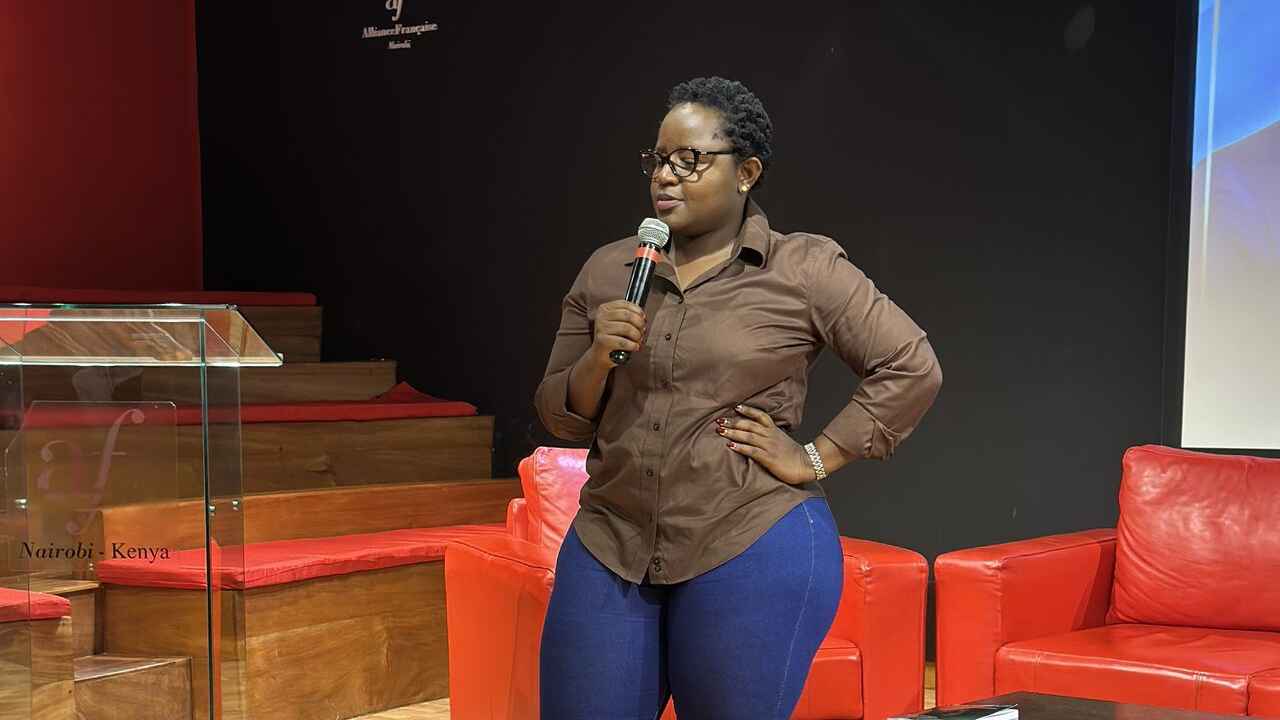
Photo Credit: Amb. Maryben A. Omollo, LinkedIn
"In a world where women are taught to shrink, to hide, to fear—Omollo’s voice is a call to rise, to speak, and to protect."
Introduction
On March 8, 2022—International Women’s Day—Ambassador Maryben Omollo, a globally recognised mental health and leadership coach, 17-time award-winning speaker, and founder of the Maryben Foundation, shared a powerful and sobering message from Nairobi, Kenya. With a global reach of over 50 million and a mission to build resilient and inclusive workplaces across Africa, Omollo used her platform to spotlight the pervasive and often normalised experiences of gender-based violence (GBV) that women endure daily. Her message, though brief, was a piercing reminder of the silent burdens women carry and a bold call to action for men to take responsibility in ending GBV. It was not just a tribute to women—it was a challenge to society.
The Unseen Burden of Being a Woman
Omollo began by acknowledging a painful truth: while not all men are perpetrators of violence, almost all women have experienced some form of gender-based violence or harassment. This distinction is critical. It shifts the focus from individual blame to systemic awareness and collective responsibility. She listed the everyday precautions women take to protect themselves—actions so routine they often go unnoticed by others:
- Holding keys between their fingers as makeshift weapons.
- Crossing the street to avoid potential confrontation.
- Avoiding travelling or driving alone.
- Calling a friend while walking to feel safer.
- Wearing more clothing to avoid unwanted attention.
- Sending the now-common message: “Text me when you get home.”
These behaviours are not rooted in paranoia—they are survival strategies. They reflect a world where women are conditioned to anticipate danger, even in the most mundane moments.
The Culture of Fear
Perhaps the most chilling line in Omollo’s message was this:
“Sending the ‘Text Me When You Get Home’ message, as if the thought of NOT returning home is more likely than arriving safely.”
This statement encapsulates the culture of fear that many women live with. It’s not just about isolated incidents—it’s about a persistent, underlying anxiety that shapes how women move through the world. It’s about the mental and emotional toll of constantly being on guard. Omollo also referenced a specific and all-too-common fear in Kenya: being involved in an accident with a boda boda (motorcycle taxi) rider. For many women, such incidents are not just about physical harm—they carry the added risk of harassment or assault.
The Role of Men in Ending GBV
Omollo’s message was not just a lament—it was a call to action. She made it clear that reducing and ultimately ending gender-based violence is not the sole responsibility of women. It starts and ends with men.
“It is the responsibility of every man to check themselves and check their communities. To protect and defend women at all costs.”
This is a powerful shift in narrative. Too often, the burden of safety is placed on women—what they wear, where they go, how they behave. Omollo challenges this by placing the responsibility where it belongs: on those who perpetuate or enable violence, and on those who remain silent in the face of it.
Speaking Out and Standing Up
Omollo encouraged men to speak out, to send love and support to women, and to actively participate in creating safer environments. This includes:
- Calling out sexist jokes and language.
- Intervening when witnessing harassment.
- Educating peers and younger generations about consent and respect.
- Listening to women’s experiences without defensiveness or dismissal.
Her message was not about blame—it was about accountability. It was about recognizing that silence is complicity and that allyship requires action.
Celebrating Women, Protecting Women
While the message was grounded in the harsh realities of GBV, it was also a celebration of women’s strength, resilience, and dignity. On International Women’s Day, Omollo honoured women not just for surviving, but for thriving in a world that often fails to protect them. She reminded her audience that protecting women is not just a moral obligation—it is a societal imperative. A society that values women’s safety, voices, and contributions is a society that thrives.
Reflection
Ambassador Maryben Omollo’s message on March 8, 2022, was a powerful blend of truth-telling and hope. It exposed the everyday realities of gender-based violence while offering a path forward rooted in accountability, empathy, and collective action. Her words remind us that GBV is not just a women’s issue—it is a human issue. It affects families, communities, and nations. And it will only end when men take responsibility, when silence is broken, and when protection becomes a shared priority. In a world where women are taught to shrink, to hide, to fear—Omollo’s voice is a call to rise, to speak, and to protect.
Lesson to Learn
Gender-based violence is not inevitable—it is preventable. But prevention requires more than awareness. It requires action. It requires men to lead with integrity, to challenge harmful norms, and to stand beside women—not just on International Women’s Day, but every day. Protecting women is not a favour—it is a duty. And it begins with each of us.
- Education
- Leadership
- Girl Power
- Economic Power
- Our Impact
- Becoming Me
- Global