
GREEN ENTREPRENEURSHIP FOR SUSTAINABILITY
Oct 25, 2021
story

WHO IS A GREEN ENTREPRENEUR?
A Green entrepreneur is a person who consciously addresses an environmental/social problem by swapping conventional or traditional products &services to income generating products/services which reduce greenhouse gas emissions thereby cooling the planet. These group of people are committed to build an environmentally sustainable future while doing business.
The main difference that distinguishes green entrepreneurs from traditional entrepreneurs is that green entrepreneurs want to create a business model that is economically profitable, environmentally conscious and creates social value.
Examples of green businesses include:
- Plant-based restaurants
- Renewable energy
- Sale of fairly used products
- Environmental blogging
- Green business consultancy
- Etc
GREEN ENTREPRENEURSHIP & SUSTAINABILITY
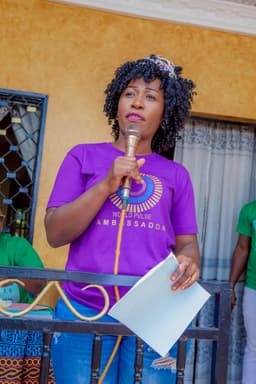
As an African rural woman, mother to the planet earth and humanity, I choose to carry out innovative green businesses because I feel accomplished and happier that I am a solution to our environmental and social problems and not a problem.
In addition to feeling accomplished there are some factors which me sustainability advantage over conventional businesses. First the green business has enhanced my brand image and increased competitive advantage. Generally, consumers are willing to pay more for products or services which are ecological sound hence being basically the only one supplyingplant basedproductsgives me competitive advantage over other businesses in my community.
Secondly, in addition to profits I earn some eco-friendly incentives, reduced tax cost and subsidies from governments, local and international organizations for environmental protection. I run a mushroom farm and it has been expanding rapidly because of incentives from well-wishers.
Thirdly, through my green business, I have attracted “green” customers, investors and employees. This has created a medium for networking and partnerships which is a great tool for my advocacy work.
Furthermore, as an entrepreneur, I am reducing the unemployment gap which is a big problem to society by creating jobs for mostly women and youths.
Lastly, as a gender equality activist, I stand as a role model to other women in “Going Green”.
GENDER INEQUALITY IN GREEN ENTREPREURSHIP.
Green businesses are male dominated henceLaws, cultures, religion, and politics in the green economy are built upon a patriarchal foundation. Women must work their way up in the masculine world while facing stigma and discrimination. Although laws and policies have attempted to create a favorable business environment for everyone, the actual changes have not yet been implemented.
First as a female green entrepreneur, I am most at times not taken seriously by society and the male counterparts. This has negativeimpacts on getting investors, support and funders for your business. However, there are other sources of funding available for women which I take advantage of.
Secondly, I am always trying to defy social expectations because in a meeting of green entrepreneurs, the ratio of women: men is averagely 20:80. However, I try to be myself and make my points when necessary.
Thirdly, as a woman who aspires to excel as a green entrepreneur, I am often at times being insulted, labelled as pompous and arrogant. This affects me and sometimes I feel embarrassed to own up to my accomplishments. However there are some people who are always there to encourage and promote me.
Lastly, as an African woman with societal role of managing the family, it’s sometimes challenging to balance business and family life. In this case, I put my family as part of my business and advocacy activity and so it doesn’t look like a burden.
THE AFRICAN WOMAN’S PERSPECTIVE
In the meantime, while the African woman is fighting for gender equality in the business sector, we could take advantage of the current gender inequality trendas a medium for growth in the green economy.
In many African countries, though undervalued and unrecognized, women act as farmers, cooks, cleaners, waste management and recycling. They are entrepreneurs already engaged in green economic activities but are unconscious about their actions.
These undervalued acts should be developed into sustainable green businesses for income generation and a sustainable planet.
Finally, there should be a clear difference between conventional and green businesses. Policy interventions should start taking note of such developments bypromoting green entrepreneurs and overcoming discriminatory attitudes to enable women profit from activities.
- Economic Power
- Environment
- Africa