
Heal with pen
Jul 3, 2025
story
Seeking
Connections

Healing power of pen
My Secret Superpower: Why I Write It All Down (and Why You Should Too!)
Hey everyone, Aninda Sidhana here!
Not everyone has the power to pull the trigger. And by "trigger," I don’t just mean a literal weapon. I mean the trigger of an angry outburst, a destructive action, or even just saying something you’ll deeply regret. Life throws a lot at us, doesn’t it? Sometimes, we feel our heads buzzing with thoughts we can’t escape, or we’re boiling with frustration, but we can’t exactly yell at our boss, or the person who cut us off in traffic. We all face those moments when big emotions swell up, and it feels like there’s nowhere for them to go.
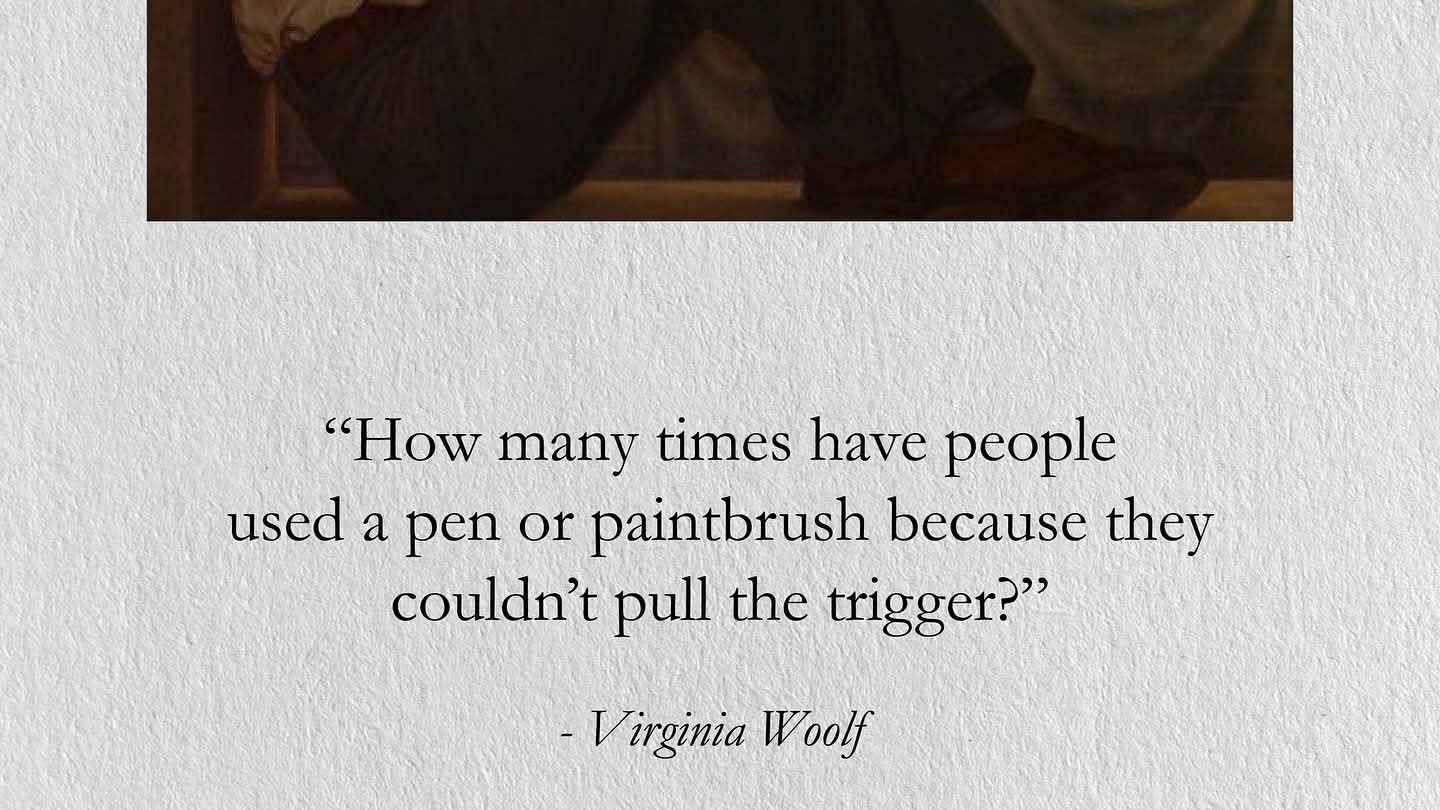
There’s this incredible thought from Virginia Woolf that always sticks with me: "How many times have people used a pen or paintbrush because they couldn’t pull the trigger?" It’s a powerful question, isn’t it? It makes you think about all the times we stop ourselves from lashing out, or doing something we might regret, because we find a different, healthier outlet. For me, that amazing outlet is journaling.
Now, when I talk about journaling, I’m not talking about just jotting down your to-do list or what you ate for lunch! Think of it more like a completely private, judgment-free zone where you can truly be yourself. It’s like having the best listener in the world – your own notebook and pen.
So, how does simply writing things down become this incredible "superpower" for our well-being?
* Your Personal Pressure Release Valve: We all have those emotions – the red-hot anger, the nagging worry, the overwhelming sadness – that feel too big or too messy to express out loud. Your journal is the perfect place for them. You can rant, rave, complain, or cry onto the pages. It’s a safe space to unload all that heavy emotional baggage without fear of judgment, consequences, or hurting anyone else. It literally helps you breathe.
* Unlocking Self-Understanding: When you write down your swirling thoughts, something amazing happens. You start to see them more clearly. You might notice patterns: "Ah, that’s why I get so stressed when X happens." Or "This always makes me feel angry." This process of putting words to your feelings helps you understand why you react the way you do. And understanding yourself is the first step to feeling more in control.
* Calming the Mental Storm: Our minds can be incredibly noisy, especially when we’re upset. Thoughts spin endlessly, making us feel more anxious. When you write them down, it’s like taking those chaotic thoughts out of your head and carefully placing them onto the page. This simple act can bring a surprising sense of peace and quiet your inner critic. It helps you stop endlessly replaying things in your mind.
* Finding Answers (or Just Finding Peace): Sometimes, when you write about a problem, the solution suddenly appears, clear as day! It’s like your brain works out the kinks as your hand moves across the paper. And even if a solution doesn’t immediately appear, the act of writing helps you accept the situation, let go of some of the tension, and move forward with a lighter heart.
And these benefits truly apply to everyone, no matter what you’re feeling:
* For the Angry Soul: When rage boils, and words fail in direct confrontation, the pen can become a sword, a scream, a confession. Writing allows us to channel that volatile energy onto paper, dissecting its roots, understanding its triggers, and sometimes, simply releasing its intensity without harming anyone. It’s a catharsis that prevents the "trigger" of an outburst or harmful act from being pulled.
* For the Burdened Heart: When sorrow is too heavy to bear aloud, or grief too raw to articulate, a paintbrush (or just writing it out!) can translate the unspoken. Words and stories become the language of pain, longing, or despair, offering a testament to an internal struggle that might otherwise consume us. It’s a way to process, to mourn, and to slowly, painstakingly, heal.
* For the Suppressed Voice: When societal norms, fear, or power dynamics silence us, writing or creating art becomes an act of quiet rebellion, a powerful assertion of existence. It’s how stories of injustice are told, how hidden truths are revealed, and how the marginalized find their voice. The "trigger" here might be speaking out when it’s dangerous, and the pen provides a safer, yet equally potent, means of resistance.
* For the Overwhelmed Mind: In moments of intense stress, anxiety, or despair, the act of putting thoughts onto paper, or creating something tangible, can provide focus, a sense of control, and a much-needed distraction from spiraling thoughts. It’s a form of active meditation, grounding us when we feel unmoored.
Choose the Pen, Not the Trigger!
Virginia Woolf’s profound words truly highlight the essence of why journaling is so vital. When we feel overwhelmed, at a breaking point, or simply unable to express ourselves constructively, our journal offers a powerful alternative. Instead of lashing out, bottling things up until we explode, or spiraling into despair, we can choose to create. We channel that intense energy, those difficult emotions, into words and stories that live on paper.
Journaling isn’t just a simple habit; it’s an act of self-care, a form of therapy, and a powerful tool for resilience. It helps us process, understand, and ultimately heal, turning our inner battles into strength.
Ready to Discover Your Own Superpower?
You don’t need a fancy leather-bound journal or expensive pens. Just grab any notebook, a piece of paper, or even your phone’s notes app.
* Start small: Try writing for just 5-10 minutes.
* Just begin: Write whatever comes to mind – no rules, no grammar police, no censorship!
* Ask yourself: "What’s on my heart right now?" or "What do I need to get off my chest?"
Trust me, this simple practice can become your most valuable secret weapon. It’s a truly powerful way to manage stress, release anger, and embark on an incredible journey of self-discovery.
Try it, and feel the difference
!
Warmly,
Aninda Sidhana
- South and Central Asia