
Her Hands Speak What legs Cannot
Apr 15, 2025
first-story
Seeking
Visibility
the power in her hands
In a small corner of Bulawayo, Zimbabwe, lives a woman whose hands speak louder than words and whose spirit moves stronger than her legs ever could. My mother, a weaver in a wheelchair, has taught me that true strength has nothing to do with walking—and everything to do with rising, enduring, and inspiring.
To the outside world, she might seem like just another woman with a disability, but to me, and to many who know her story, she is a giant. She faces life with courage that most people can only admire from a distance. Though confined to a wheelchair, she is never confined in vision. Her ideas, creativity, and impact reach far beyond the walls of our home or the boundaries society tries to place around her.
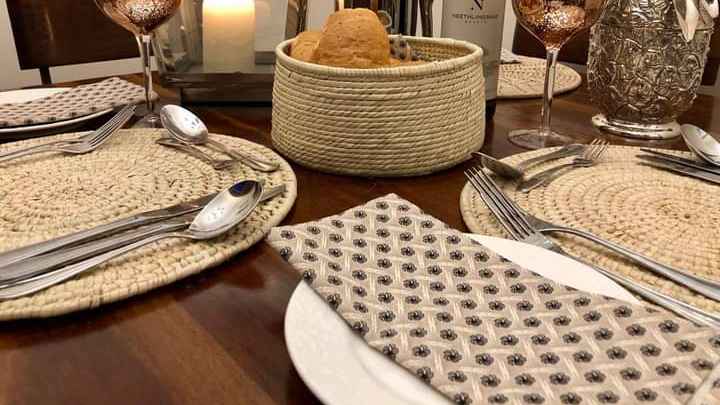
Despite her disability, my mother creates beauty with every thread. Her hands move swiftly, skillfully weaving baskets, chairs, sofas, mats, and hats—products that carry her fingerprint, her energy, and her soul. Each item she makes is not just a craft; it is a statement that says, “I am here. I am capable. I am contributing.”
She is the one who pays my university fees through her weaving. While others might rely on aid or charity, my mother relies on her hands and heart. She never once lets her condition define what she can or cannot do. Instead, she pushes boundaries, defies expectations, and proves every day that ability comes in many forms.
Her days, however, are far from easy. She faces a constant shortage of weaving materials, and accessing quality tools and raw resources is a struggle. Most weaving supplies are expensive and not always available locally, which slows down production. Transport is another daily battle. Bulawayo’s infrastructure is not wheelchair-friendly. Getting to and from locations—even just to buy supplies or deliver finished products—can be exhausting and dangerous. Yet she never gives up. She never complains. She simply adapts, strategizes, and continues.
Worse still is the way society often views her. People underestimate her abilities just because she sits instead of walks. Some treat her with pity, others with doubt. But what they don’t see is the empire of hope and empowerment she’s quietly building from that very chair.
At the Jairos Jiri Center in Nguboyenja, she teaches weaving to individuals with hearing impairments, as well as those with intellectual disabilities and developmental challenges. Many of these people have been written off by society, cast aside as burdens or lost causes. But not by my mother. She sees their potential. She believes in their worth. And through her guidance, they learn a skill that gives them not just income, but dignity. I have watched her students walk in with uncertainty in their eyes and walk out with pride in their hearts. She gives them more than a craft—she gives them purpose.
Her talent has even reached the attention of big industries. She weaves humper baskets for Arenel, one of Zimbabwe’s largest and most respected companies. That alone is a testament to her excellence and professionalism. Her work is not charity—it is business. And it is making a difference.
What amazes me most is that despite all her challenges, my mother remains humble. She doesn’t boast. She doesn’t seek praise. She simply works, teaches, uplifts, and loves. She is always looking for new ways to help others grow, whether it's finding opportunities for her students, sharing materials, or offering encouragement to another woman trying to start her own weaving journey.
My mother is living proof that disability does not mean inability. In her, I see resilience, leadership, and unconditional love. She inspires me every day to push forward, to give back, and to believe that no obstacle is too great when the heart is strong.
She may move with wheels, but her hands move the world.
- Economic Power
- First Story
- Africa