
Homecoming in a Shifting World
Jul 6, 2025
story
Seeking
Encouragement

Photo Credit: AI
Just a week ago, I returned home after nearly seven years in Uganda—six years and seven months, to be exact. What started as another professional assignment grew into something much more profound. Throughout three distinct roles, my final one as a regional technical specialist, which included Rwanda, Kenya, and Tanzania, allowed me to broaden my impact, especially during the waning months of the COVID-19 pandemic. Uganda became more than just a pin on the map—it became my home away from home.
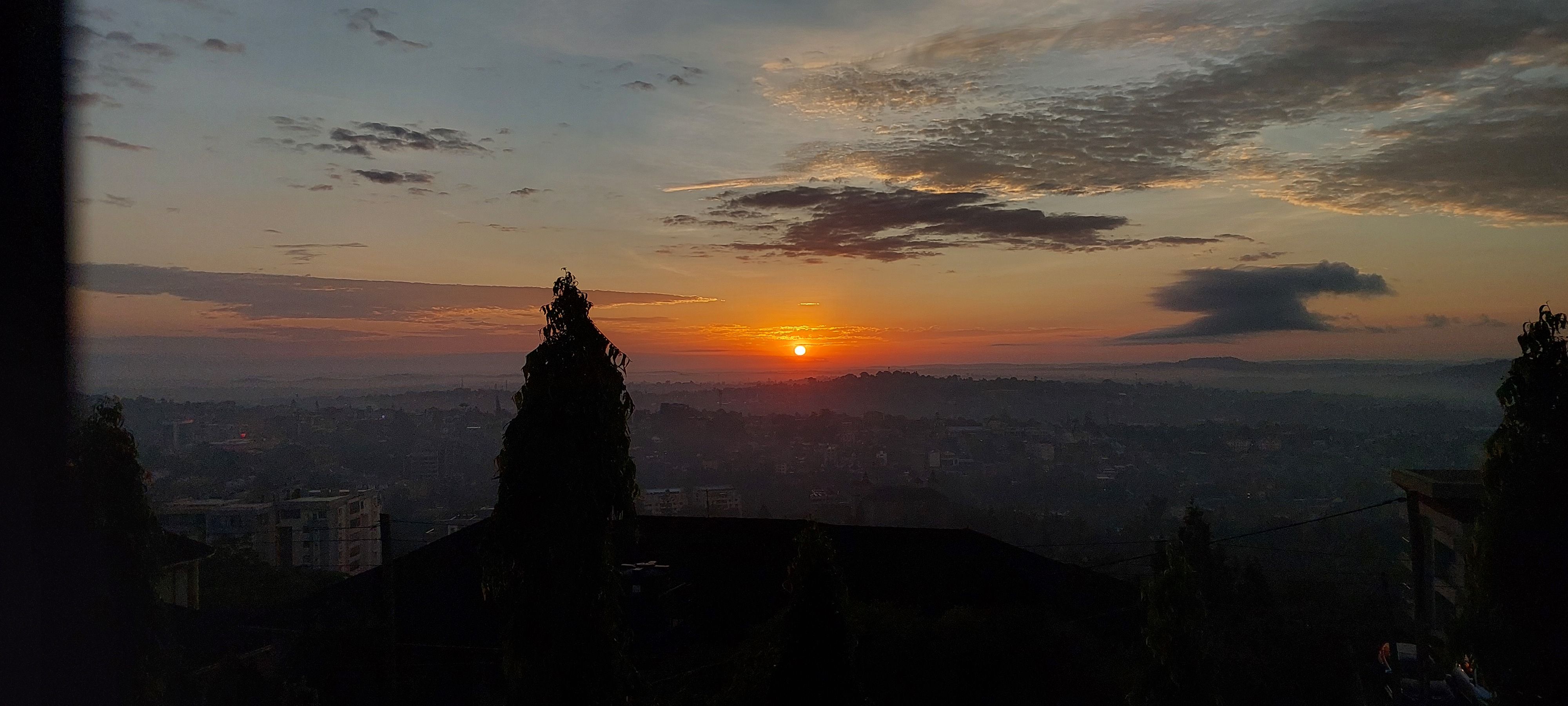
Image from my balcony every morning -- sunrise over Kampala and Kira district. Photo credit: Personal collection
And yet, I knew the ending was approaching. It’s a quiet realization, like déjà vu with a purpose. The same intuition struck me when I left the Philippines for Cambodia years ago. I began to feel uninspired, detached from the projects I had helped build, losing the momentum that had once kept me closely tuned to the field. Then, in January 2025, the US funding withdrawal confirmed the inevitable—my time in Uganda was coming to a close.
That single memo, issued by the US administration, temporarily paused federal financial assistance programs worldwide. It directed agencies to reassess their funding strategies, aligning with shifting political priorities and recent executive orders. What followed was seismic: at least 20% of our work halted, and within six months, we lost over 500 staff across 60 countries.
The closure of USAID—our strongest ally in the disability sector—was especially painful.
It felt abrupt and deeply personal. USAID has funded rehabilitation centers in low- and middle-income countries helped integrate assistive products into essential medical lists, and supported refugee communities across East Africa. It also financed the workforce behind those services—the technical experts who ensured that health and rehabilitation systems worked. Without that support, many of our projects shut down. Policies were left half-written. Governments scrambled to fill the gaps.
This wasn’t just a setback for humanitarian work. It disrupted development efforts globally. We received devastating updates: children are dying from preventable causes due to the lack of funds to buy food or medicine. Meanwhile, funding continued to flow for military operations driven by disputes and global power plays. It felt surreal.
And the ripple kept expanding. Several European countries mirrored the US’s decision, backing away from institutional funding that once empowered change. Leaders shifted from a collective mindset to an individualist approach, forgetting the very mission that created bodies like USAID in the first place. As INGOs, we work on the ground with one promise: that developed nations have our backs, especially in moments when the road to peace feels long.
Still, I remain hopeful. I believe we’ll find our footing again—maybe next year or the year after. The cycle of resilience is something I’ve witnessed time and time again.
For now, I’m back in the Philippines. I spend quiet afternoons with my father, who is almost 91 years old. We garden. We watch TV. We share stories. He solves puzzles with the same focus that I once poured into policy memos and project reports. There’s comfort in this stillness. It reminds me that even when global tides shift, home can be a place of peace, reflection, and healing.
~ Dee End ~
- Leadership
- Disability Justice
- Human Rights
- Moments of Hope
- Behind the Headlines
- South and Central Asia