
Hormones in transition
Sep 20, 2025
story
Seeking
Visibility

🌿 Midlife Crisis or Just a Mood Swing?
Why Perimenopause Deserves More Than a Shrug
It doesn’t arrive with a warning. One day you’re yourself. The next, you’re not quite sure who that is. You forget words mid-sentence. You wake up drenched in sweat. You feel waves of sadness, rage, or desire that seem to come out of nowhere.
You wonder: Is this burnout? A midlife crisis? Just a mood swing?
It might be none of those.
It might be perimenopause.
🧠 What Is Perimenopause?
Perimenopause is the phase before menopause when estrogen, progesterone, and other hormones begin to fluctuate. It can start in your late 30s or 40s and last for years. But it’s not just about irregular periods. It’s about:
- Mood changes that feel unpredictable
- Brain fog and memory lapses
- Sleep disturbances and fatigue
- Changes in libido, identity, and emotional sensitivity
- Anxiety, irritability, or grief that seem uninvited
And yet, 94% of women say they received no education about menopause in school.
Only 49% have spoken to a healthcare professional about it.
80% of OB-GYNs aren’t trained in menopause care.
This silence isn’t just frustrating—it’s harmful.
🔥 Libido: The Unspoken Shift
One of the most misunderstood aspects of perimenopause is the change in sexual desire. For some, libido fades. For others, it surges. But nearly all women report feeling confused, disconnected, or even ashamed.
From a psychiatric lens, libido is deeply tied to identity, agency, and emotional safety. For survivors, it can stir old wounds or awaken new questions: Do I still feel desirable? Do I want to be touched? Is this mine or hormonal noise?
From a gynecological perspective, declining estrogen can lead to vaginal dryness, discomfort during sex, and changes in pelvic tone. These aren’t just physical symptoms—they affect intimacy, self-esteem, and relationships.
And yet, most women suffer in silence.
They’re told it’s “just part of aging.”
They’re offered pills without conversation.
They’re rarely asked: How do you feel about your body now?
🩺 What Care Should Look Like
Dr. Saurabh Dani, a senior OB-GYN with over 22 years of experience, reminds us: “Perimenopause isn’t a disease. It’s a transition. But it needs to be attended to—with science, sensitivity, and space.”
That means:
- Hormonal literacy, not just hormone therapy
- Survivor-informed conversations about libido and consent
- Pelvic health support that includes emotional wellbeing
- A shift from symptom suppression to story integration
🎙️ A Conversation That Matters
That’s why Healcycle is hosting:
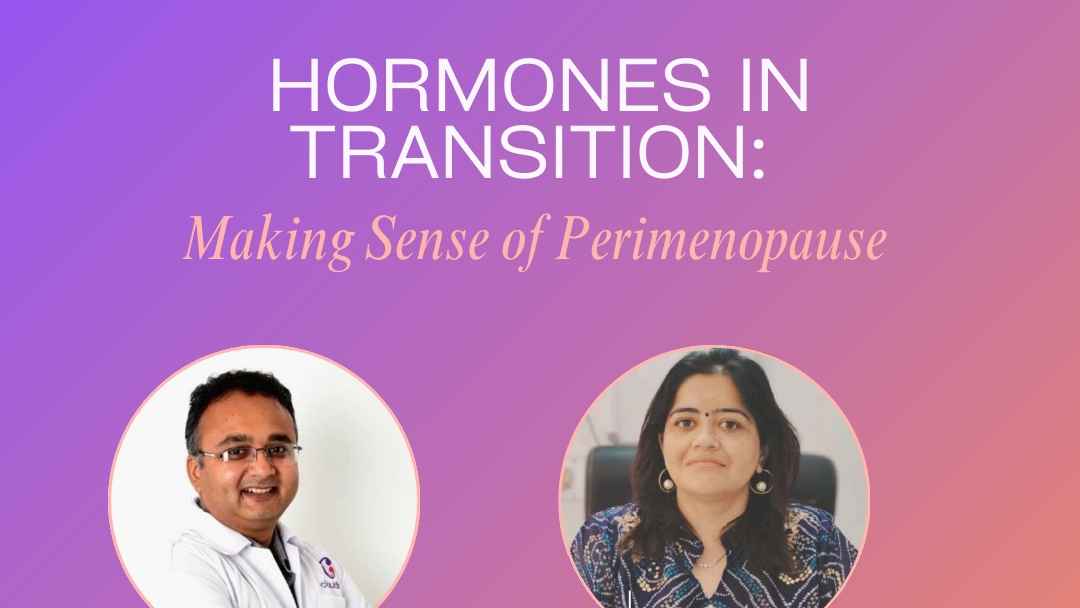
“Hormones in Transition: Making Sense of Perimenopause”
🗓️ September 21 | 6 PM IST | 8:30 AM EST
🌐
https://luma.com/0l1rh07b
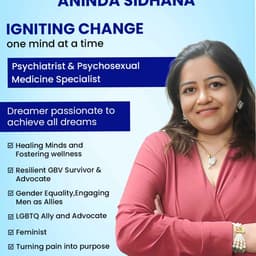
Join OB-GYN Dr. Saurabh Dani and me, Dr. Aninda Sidhana, as we unpack the science, share survivor-informed insights, and offer emotional first aid for this often-overlooked phase.
We’ll talk about:
- How hormonal shifts affect mental health, relationships, and sexuality
- Why emotional literacy is key to navigating this phase
- What support, care, and community can look like—without shame or stigma
Because every woman deserves to feel seen, heard, and held. Especially in the messy middle.
- Health
- Member Introductions
- Salud menstrual
- Behind the Headlines
- South and Central Asia