
How Does Electronics Housing Injection Molding Ensure Precision and Durability?
Aug 6, 2026
first-story
Seeking
Visibility


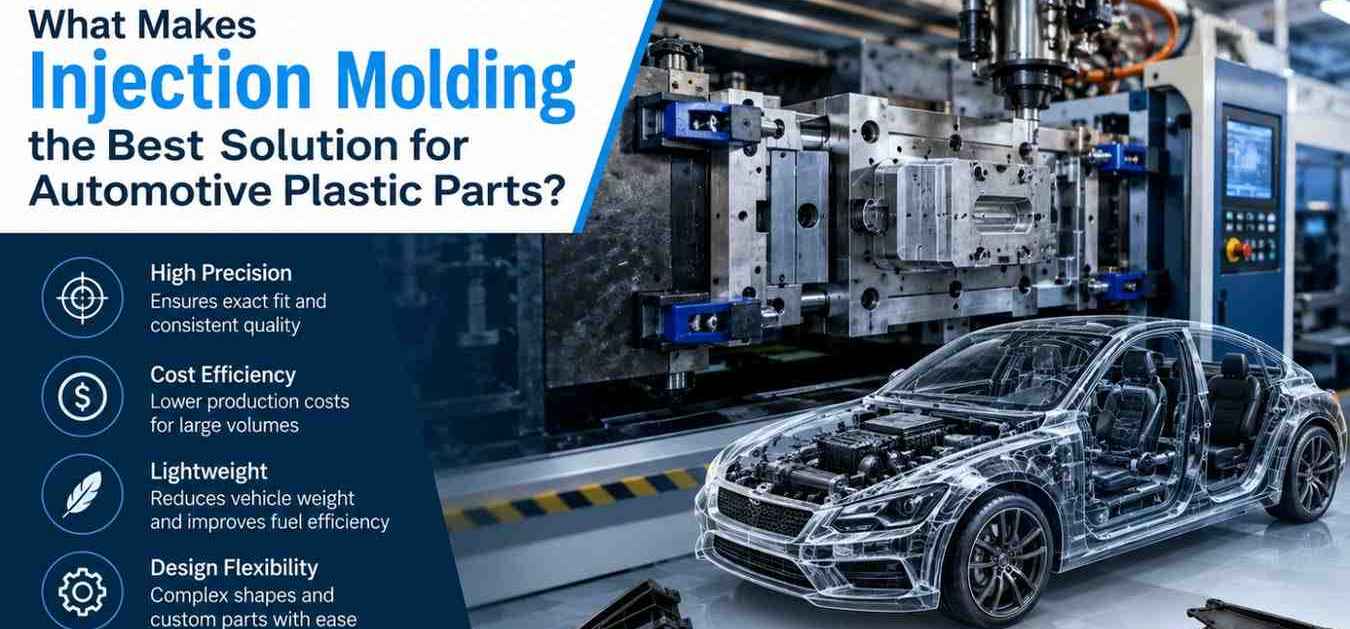
Electronics housings protect sensitive internal components from many common hazards. These include excess heat, moisture, physical impact and fine airborne dust.
A poorly manufactured housing leads to device failure and safety risks. It also creates significant risk of expensive and damaging product recalls. Injection molding is the dominant method for producing these parts at scale.
Precision and durability are not optional features, they are built into every step. This guide breaks down exactly how this process reliably delivers both attributes. The most consistent results come from electronics housing injection molding when executed correctly.
What Is Electronics Housing Injection Molding?
This process injects molten plastic into a precision machined metal mold cavity. Molds are manufactured from either high grade steel or aircraft aluminum. It forms complete finished enclosures in a single repeatable manufacturing cycle.
The injection molding electronics is used across every segment of the industry. Common applications include smartphones, laptops, routers, medical devices and switches.
It enables extremely high volume production with consistent part to part accuracy. Tolerances as tight as plus or minus 0.01mm are regularly achievable. Finished parts require very little to no additional post processing work.
What Materials Are Used in Electronics Housing Injection Molding?
Material selection is the single most important decision for any enclosure project. The wrong material will fail to meet performance requirements regardless of other factors. The most commonly specified materials for this application include:
- ABS - Good general impact resistance, very easy to mold consistently
- Polycarbonate - High strength and heat resistance for outdoor applications
- PC/ABS blend - Combines the best properties of both base materials
- Nylon - High wear resistance for connectors and structural housings
- PPS - Excellent resistance to extreme heat and industrial chemicals
All materials are available in flame retardant UL94 V-0 rated grades for safety. Material choice directly impacts dielectric strength, dimensional stability and surface finish.
The electronics injection molding relies on careful matching of material to the end use case. No single material provides optimal performance for all possible applications.
How Does Mold Design Affect Precision in Electronics Housings?
Mold design forms the absolute foundation of all final part accuracy. No amount of process adjustment can fix errors created at this stage. Core and cavity alignment must be exact to within a tiny fraction of a millimetre.
A 0.05mm shift will create visible defects and permanent alignment issues. Draft angles of between 1 and 2 degrees allow clean ejection without warping. Gate location controls plastic flow patterns and internal stress within the part.
Poor gate design will create hidden weaknesses that only appear after assembly. Cooling channel design prevents sink marks and unwanted dimensional variation. Steel molds offer far longer life and tighter tolerances than aluminium equivalents.
CNC machining and EDM create micro level precision inside every mold cavity. The electronics housing injection molding cannot deliver precision without correct tool design.
The Role of Tight Tolerances in Electronic Component Housings
Electronic housings must align perfectly with PCBs, connectors, screens and buttons. Even minor misalignment causes assembly failures, signal interference and part rejection.
The tolerances of plus or minus 0.1mm or less are required for all mating features. This applies to snap fit joints, port openings, screw bosses and mounting standoffs. Multi cavity molds must maintain identical tolerances across every individual cavity.
Any variation between cavities creates mixed good and bad parts within the same run. Consistent wall thickness between 1.5 and 3mm prevents warping and adds strength. Sudden changes in wall thickness are the single most common cause of part failure.
The thin wall molding is used for compact modern consumer electronics enclosures. The plastic molding for electronics need consistent and repeatable tolerances.
How Does The Injection Molding Process Maintain Consistency Across Large Runs?
One of the greatest advantages of this process is consistency across very large runs. All process parameters are controlled digitally to eliminate unwanted variation. These include injection pressure, melt temperature, fill speed and cooling time.
Injection pressure ranges between 500 and 1500 bar depending on the selected material. Melt temperature is maintained within plus or minus 5 degrees at all times. Even small deviations in temperature cause permanent changes in part dimensions.
Automated systems remove almost all human error across many thousands of cycles. Statistical Process Control monitors and corrects minor variation in real time.
First Article Inspection is completed before any full production run commences. No parts move to mass production until the first article passes all tests. electronics plastic injection molding delivers unmatched consistency at production volume.
Surface Finish Options for Electronics Housings
Surface finish affects aesthetics, grip, branding and EMI shielding compatibility. Many designers overlook the impact of surface finish on functional performance.
Standard SPI finishes range from A1 mirror polish up to D3 rough matte. Texture options include smooth, leather grain, sand grain and custom geometric patterns. All texturing is applied directly to the mold via laser or chemical etching.
Finish applied at mold level removes any requirement for secondary operations. Post applied finishes wear off over time and add significant additional cost.
Gloss finihes are most common for consumer electronics, matte for industrial use. UV coating and painting can be added post molding for additional protection. Custom surface finishes can be developed for specific application requirements.
What Structural Features Are Molded Into Electronics Housings?
Almost all required structural features are molded directly into the part. This removes the need for any secondary assembly or joining operations. Standard features integrated into all electronics housings include:
- Snap fit clips for fast and tool free final assembly
- Screw bosses for secure fastening of internal components
- Ribs and gussets for additional strength without extra weight
- Cable management channels molded into internal housing walls
- EMI shielding grooves for conductive gasket installation
- Ventilation slots for controlled internal heat dissipation
- Mounting standoffs to hold PCBs in exact fixed position
All features are produced in one single shot during the molding cycle. No additional welding, gluing or fastening work is required after ejection. This reduces assembly cost and eliminates common points of long term failure.
How Does Injection Molding Handle EMI and Heat Challenges in Electronics?
All active electronics generate both waste heat and electromagnetic interference. Both of these factors present major challenges for enclosure designers.
Conductive plastics or metal plated housings reduce unwanted EMI leakage. Carbon fiber filled materials provide both conductivity and additional structural rigidity. Thermally conductive polymers are used for LED housings and power supply enclosures.
Ventilation features are integrated directly into the initial mold design. Correct placement of vents has a far greater impact than total vent area. UL, RoHS and CE compliance is achievable with correct material selection.
Flame retardant resins prevent the housing from becoming an additional fire hazard. The plastic injection molded components for electronics solve both these core challenges.
Durability Testing Standards Electronics Housings Must Meet
All electronics housings must meet established industry durability standards. These standards define minimum acceptable performance for all common use cases. The most commonly referenced standards include:
- IP ratings - Define protection against dust and liquid ingress
- IK ratings - Define measured impact resistance of the finished enclosure
- UL94 - Defines the flammability resistance of the base material
- RoHS - Restricts hazardous substances inside all consumer electronics
- MIL-SPEC - Applies to military and defence grade electronic equipment
Drop tests, UV aging and thermal cycling validate real world long term durability. Testing is performed on production parts, not specially prepared test samples.
Both mold design and material selection contribute to meeting these standards. Small changes to part geometry can create very large changes in test performance.
Secondary Processes That Enhance Electronics Housing Performance
A range of secondary processes further enhance housing performance and function. These processes add capabilities that cannot be achieved in the base molding step. The most commonly used secondary processes include:
- Insert molding - Embeds metal threads, pins and connectors during molding
- Overmolding - Adds a soft grip rubber layer over the rigid base housing
- Ultrasonic welding - Joins two housing halves permanently without adhesives
- Pad printing - Adds permanent labels, logos and safety symbols to the part
- Laser marking - Creates permanent wear resistant markings on any surface
- Metalizing - Provides decorative and high performance EMI shielding finishes
All additional components can be added inline during the production process. This reduces lead time and eliminates additional handling and transport steps. The injection moulding solutions for electronic components include all of these additional services.
Why Plastic Injection Molds Deliver Precision Electronics Housings?
Plastic Injection Molds company specialises in high precision injection molded components. It has deep expertise in complex electronics enclosures for all market sectors. These include consumer, industrial, medical and transportation related applications.
All mold design, Molds tooling and production takes place under one single roof. Advanced CNC machining and EDM equipment is used for all mold fabrication. Strict quality control operates at every stage of the entire production process. This starts with initial DFM analysis and continues through to final inspection.
The manufacturer handles multi cavity molds, insert molding and overmolding. It delivers short lead times with consistent part quality across high volume runs. Full support is provided from initial prototype stage right through to mass production.
Common Mistakes That Reduce Precision And Durability
This section is almost completely omitted from every other guide on this topic. Even with correct material selection and mold design, small avoidable mistakes will completely ruin final part performance.
Inconsistent Wall Thickness
This is the single most common cause of warping and permanent part failure. Even a 0.5mm change in wall thickness creates uneven cooling and internal stress.
Poor Gate Placement
Gate location is almost never given the priority it deserves during design. A poorly placed gate creates hidden internal stress that only appears after assembly. Parts will appear perfect on arrival, then crack or warp after six months of use.
Incorrect Cooling Channel Design
Most low cost manufacturers cut corners on cooling channel design. Uneven cooling creates part to part variation that cannot be controlled.
Overlooking Draft Angles
Draft angles are often removed to meet industrial design requirements. Even a 0.5 degree reduction in draft angle will cause scuffing and deformation on ejection. Parts will be slightly out of tolerance on every single production cycle.
Conclusion
The electronics housing injection molding combines precision engineering and controlled processes. Every single small detail impacts the final performance and reliability of the part.
Mold design, material grade, surface finish and wall thickness all play an equal role.
The process ensures housings protect components and meet all required safety standards. Parts will survive extended real world use across a wide range of conditions. Specialised expertise is required to get consistent and reliable results from this process.
Qualified manufacturers bring the expertise needed to produce housings that perform at the highest level. Choosing the right manufacturing partner is as important as choosing the right material.
High precision electronics enclosures require specialised knowledge and capability. Consistent precision and long term durability cannot be achieved by every manufacturer. For all enquiries related to any enclosure project contact the team directly on +1 917-730-4350. Quotations and full DFM analysis are provided completely free of charge. Enquiries can also be sent at any time to info@plasticinjection-molds.com.
FAQs
What is the biggest advantage of this process for enclosures?
It delivers consistent precision across even large production runs. No other process matches this combination of speed and cost.
How tight can tolerances be for electronics injection molding?
Well built tooling will reliably hold tolerances of ±0.01mm. This is more than enough for almost all electronic assembly requirements.
What is the most commonly used material for housings?
ABS is the most widely specified material for most general applications. UL94 V0 grades are used for almost all commercial products.
Is injection molding electronics suitable for low volume projects?
It becomes cost effective at volumes above approximately 1000 units. Tooling cost makes it uneconomical for very small runs.
How long does a standard production mold typically last?
A good quality P20 steel mold will last for 500,000 production cycles. Higher grade H13 steel will last well over one million cycles.
What are the core benefits of plastic molding for electronics?
It allows almost all features to be molded in one single operation. This eliminates almost all secondary assembly work and cost.
- Technology
- Economic Power
- First Story
- Elections
- Global