
I Stand For & With Nature
Apr 29, 2025
update
Seeking
Action


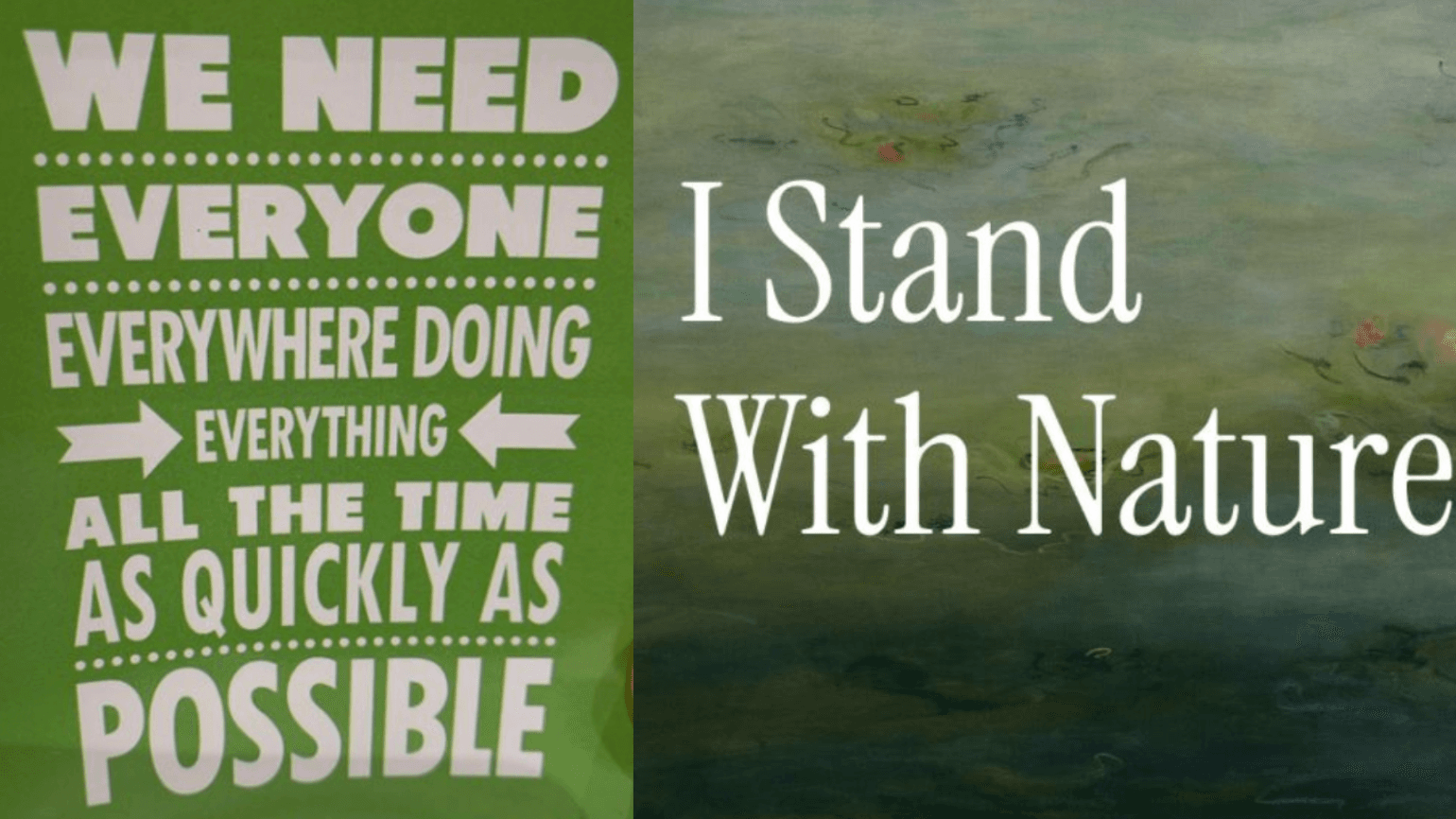
The morning light filtered through the pines as Leena clicked her hiking boots into place. She'd coordinated this nature walk for months—a small but meaningful response to what she'd learned at Sunday's TEDxVailLive at BMHS. Just twelve people had attended that viewing, but something profound had shifted in her that day. As she waited for her group to arrive at the trailhead, she recalled Xiye Bastida's words: "Your inner fire is your greatest strength." The young climate activist's message had resonated deeply, especially the idea that hope wasn't just a feeling, but a skill you could practice.
The first participants arrived—three teenagers who looked like they'd rather be sleeping in, accompanied by an enthusiastic teacher. Leena smiled, remembering herself at their age. Conservation hadn't been her passion then; it had grown slowly from seeds planted by mentors who'd taken the time to show her the intricate beauty of Colorado's ecosystems.
"Welcome," she said, handing out small field journals. "Today isn't just about observing nature—it's about standing with it."
Leena hadn't always been an activist. She'd been a software developer, comfortable in the digital world until a health scare had forced her to reconnect with the natural one. Now she split her time between coding and conservation, using technology as a tool rather than an escape.
"Before we start," she told the growing group, now numbering about fifteen, "I want you to download this app." She showed them her phone screen featuring the iNaturalist logo. "Scott Loarie talked about this at TEDxVail. It's citizen science—every observation you record becomes data that helps researchers track biodiversity changes."
As they began their ascent up the mountain trail, Leena thought about Carole Cadwalladr's urgent warning about the "broligarchy" of tech executives amassing unchecked power. The journalist's call for digital disobedience had struck Maya as particularly relevant to her work. How could she harness technology without feeding the machine that was consuming democracy? She started her talk with these words, "It's a coup."
"See this?" Leena stopped beside a colorful butterfly perched on a wildflower. "Let's document it." The teenagers, now fully engaged, gathered around as she demonstrated how to photograph and identify species. "This is small, but meaningful resistance—using technology to protect rather than exploit."
Two hours into the hike, they reached a viewpoint overlooking the valley. Development had encroached further since Leena's last visit—new housing complexes, roads cutting through what had once been migration corridors.
"I want to tell you about a woman I knew in Homer, Alaska," Leena said as the group caught their breath. "She stood barely five feet tall, but she protected thousands of acres of wilderness through sheer determination. The bears and moose may not have known her name, but they certainly enjoyed the five-star wilderness resort she fought to maintain for them." She may have been tiny, but her actions to protect Alaskan wilderness and salmon were mighty.
The group laughed, but Leena continued more seriously. "She taught me that standing for nature isn't about grand gestures—it's about persistent presence. Showing up day after day, witnessing what's happening, and refusing to look away."
A middle-aged man in hiking gear raised his hand. "But what difference can we actually make? The climate crisis seems so overwhelming."
Leena nodded, remembering the despair she'd felt before TEDxt "Xiye addressed this exactly. She talked about taking cues from nature's resilience. Think about how forests recover after fires—not overnight, but gradually, with each plant supporting others in the ecosystem."
"Xiye emphasized that trusting Indigenous leadership is crucial for effective climate action. This isn't just about preserving scenic views—it's about respecting the knowledge systems that maintained eco balance for thousands of years."
As they reached the summit, Leena gathered everyone in a circle. The panoramic view revealed both the beauty of the mountain ecosystem and the encroaching threats—urban sprawl, drought-stressed forests, and the distant haze of wildfire smoke.
"Now for the most important part of our journey," Leena said, removing a packet of native wildflower seeds from her backpack. "Direct action."
She explained the concept of guerrilla gardening—planting native species in degraded areas to promote biodiversity. Each person received a small portion of seeds to scatter in appropriate locations on their descent.
"But isn't this technically not allowed?" asked one of the teenagers.
"Sometimes standing with nature requires creative disobedience," Leena replied. "These are native species that belong here. We're just helping them return."
As they began their descent, Leena reflected on Hamish McKenzie's talk about information ecosystems and how they, like natural ones, required diversity and protection from invasive forces. She shared these thoughts with a retired teacher who had been quietly taking notes throughout the hike.
"That's why I organize these walks," Leena explained. "Each person here represents a potential shift in consciousness. Like Deja Foxx mentioned in her talk, change doesn't start with institutions—it starts with individuals claiming their power."
By the time they reached the trailhead again, the group had documented fifty-seven species, planted hundreds of native seeds, and formed a text group to coordinate future conservation activities. The teenagers who had seemed reluctant that morning were now animatedly discussing starting an environmental club at their school.
Leena watched them go with satisfaction. This was how movements grew—not through grandiose declarations, but through personal connections to place and purpose.
Later that evening, as Leena uploaded the day's observations to the biodiversity database, she thought about Bradley Tusk's insights on mobilizing people for civic action. Technology could be a tool for connection rather than division if used mindfully.
She opened her laptop to draft an email to the county commissioners about a proposed mining project. The words flowed easily now, fueled by the day's experiences and the collective wisdom from the TEDx event. She included photographs from their hike and data about the rare species they'd documented with the iNaturalist app.
As she pressed send, Leena recalled Coldplay's "We Pray" that had closed the TEDx event. Change required both prayer and action—hope as a practice rather than just a feeling.
Her phone buzzed with a message from one of the teenagers: "Made an Instagram page for our environmental club! Twenty members already!"
Leena smiled. This was what standing with nature looked like in practice—moving from inspiration to action, connecting human communities with ecological ones, using technology as a bridge rather than a barrier.
The inner fire Xiye had spoken of burned steady in Leena's chest. Tomorrow she would continue the work—coding a new visualization tool for climate data, meeting with local officials, tending her garden of native plants. Small actions, interconnected like mycorrhizal networks, gradually building resilience.
Standing with nature wasn't a single moment of sheroism but a lifelong practice of attention and care. It was showing up day after day, letting your inner fire light the way for others, trusting in the resilience of both natural and human communities. It was remembering, as Roberta, the tiny woman from Homer had shown, that the most profound impacts often came from the most unassuming sources—a lesson the natural world had been teaching all along.
- Arts & Culture
- Leadership
- Peace & Security
- Environment
- Education
- Climate Change
- Global