
If children are no longer safe with the people around them, then what exactly are we prote
Aug 8, 2026
story
Seeking
Action
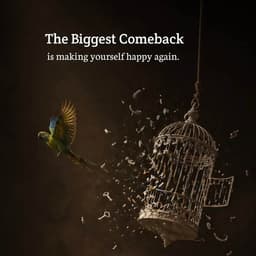

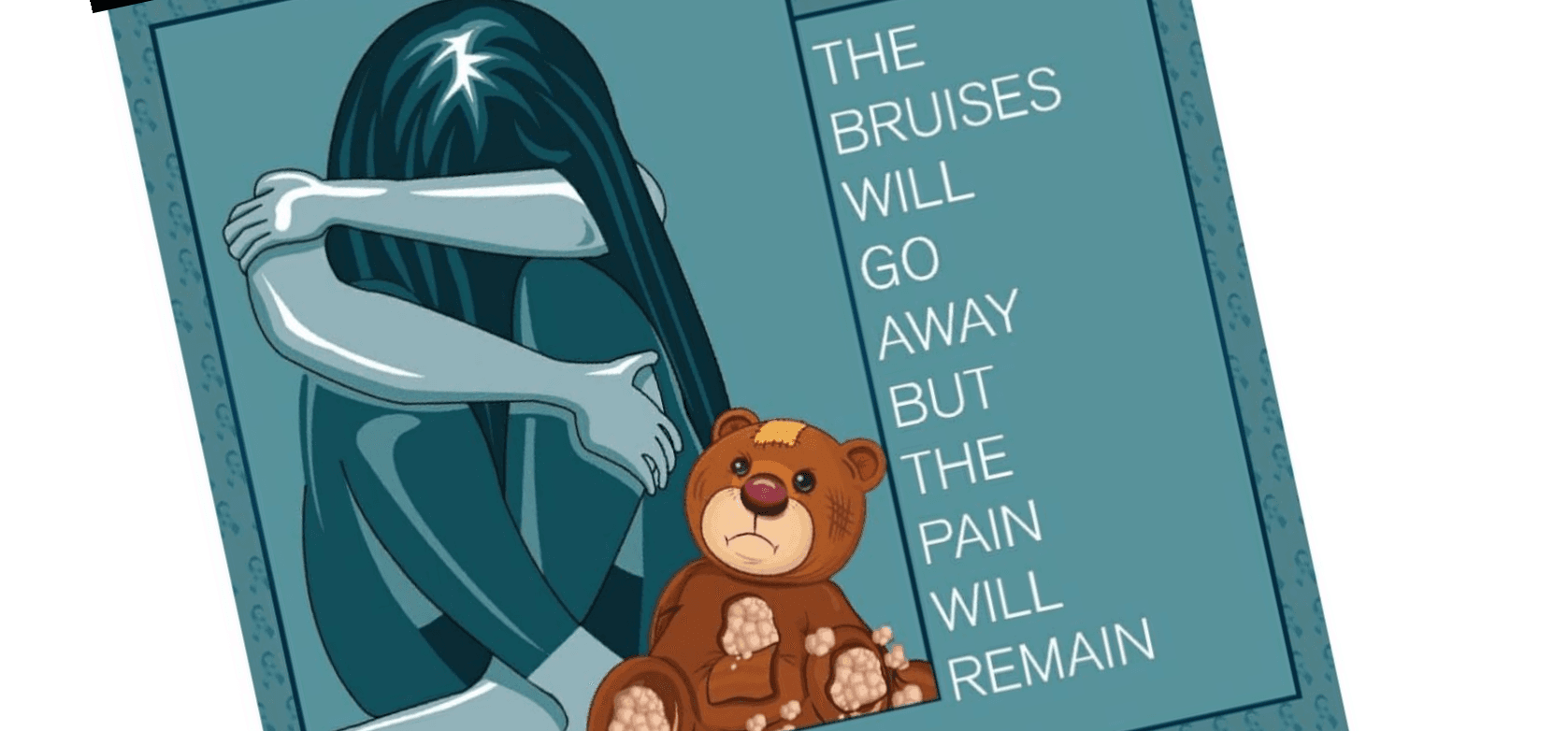
Photo Credit: Created by me for this story.
A child may heal from a visible wound, but the pain they carry inside can last much longer
CAPTION:
If children are no longer safe with the people around them, then what exactly are we protecting?
STORY / POST:
Today, I want to ask a question that every parent, every family, every community, and every society needs to answer:
Where are our children actually safe?
We hear about another case of sexual violence, another child being harmed, another young girl whose life has been changed forever — and for a few days, everyone is angry.
People post.
People speak.
People demand justice.
People say, “This should never happen again.”
And then, after a few days, the world moves on.
But the victim does not simply “move on.”
The family does not simply forget.
The fear does not disappear.
And the question remains:
WHY IS THIS BECOMING SO COMMON?
An 18-year-old girl.
Eighteen.
An age when a young person is still discovering life, building dreams, thinking about education, friendships, careers and the future.
She has barely experienced the world, yet something so devastating can happen to her.
And we are expected to treat it as another headline?
NO.
We should never become so accustomed to these crimes that they stop shocking us.
We should never reach a point where parents automatically think:
“Don’t go outside.”
“Don’t trust anyone.”
“Don’t talk to strangers.”
“Don’t go there.”
“Don’t stay out too late.”
“Don’t do this.”
“Don’t do that.”
Because eventually we have to ask:
Why are we putting the entire responsibility of safety on children?
Why should children have to live smaller lives because adults refuse to create safer communities?
A child should be able to play.
A child should be able to laugh.
A child should be able to visit relatives.
A child should be able to go to school.
A child should be able to walk in a neighbourhood without the constant fear that something terrible might happen.
And parents should be able to trust the people around their children.
But today, even that trust feels frightening.
Who can we trust?
Can we trust relatives?
Neighbours?
Family friends?
Teachers?
People we have known for years?
Sometimes the danger is not a stranger.
Sometimes it can be someone the family already knows.
Someone who has been welcomed into the home.
Someone around whom children have been allowed to sit, play and feel comfortable.
And that is what makes these crimes even more terrifying.
Because parents should not have to look at every person around their child and wonder:
“Could this person hurt my child?”
This is not the childhood our children deserve.
There was a time when children played outside.
They played in streets.
They rode bicycles.
They ran around with neighbourhood children.
They stayed outside until evening.
Parents worried about scraped knees, homework and getting home before dinner.
Today, many parents are afraid to let their children even walk outside.
And then we wonder why children spend so much time on phones.
Yes, technology has brought many problems.
Social media, inappropriate content, online manipulation, harmful communities and unlimited access to information can expose young people to things they are not emotionally prepared to handle.
But the solution cannot simply be:
“Take the phone away.”
The bigger question is:
What kind of real-world environment have we created for our children?
If the outside world feels unsafe, children retreat into screens.
If neighbourhoods are unsafe, children stay indoors.
If parents are constantly afraid, children lose independence.
And if children are never taught how to recognise unsafe behaviour, they may not know what to do when something feels wrong.
So this conversation has to become much bigger than one case.
We need serious child-protection systems.
We need stronger implementation of laws.
We need investigations that are fast, professional and victim-centred.
We need accountability for perpetrators.
We need proper support for survivors and their families.
We need schools and communities to teach children about personal boundaries, consent, safe and unsafe behaviour, and how to seek help.
And most importantly:
WE NEED TO LISTEN TO CHILDREN.
If a child says:
“I don’t like being around that person.”
“Please don’t make me go there.”
“That person makes me uncomfortable.”
“We need to stop dismissing those words.**
Children should never be taught that they must tolerate uncomfortable behaviour simply because someone is a relative, elder, family friend or respected member of society.
Respect does not mean silence.
Family does not mean immunity from accountability.
Age does not make harmful behaviour acceptable.
Status does not make someone untouchable.
And relationships should never be used as a shield for abuse.
We need a society where perpetrators face swift, lawful and serious consequences, and where victims do not have to spend the rest of their lives fighting to be believed.
Justice should not depend on how powerful the victim’s family is.
Justice should not depend on how famous the case becomes.
Justice should not depend on whether social media keeps talking about it.
Justice should simply be justice.
And we cannot wait for another tragedy before we start asking these questions.
How many more children have to be afraid?
How many more families have to suffer?
How many more survivors have to carry pain that they never deserved?
How many more times will we say “This must stop” without actually changing the systems that allow these crimes to continue?
We need a global movement for child safety.
Not just hashtags.
Not just temporary outrage.
Not just one-day campaigns.
Real education.
Real prevention.
Real protection.
Real investigation.
Real accountability.
Real justice.
Because children are not responsible for the behaviour of predators.
Girls are not responsible for the crimes committed against them.
Parents should not have to raise children in constant fear.
And survivors should never be blamed for what someone else chose to do to them.
Our children deserve a childhood — not a life controlled by fear.
They deserve to play.
They deserve to learn.
They deserve to trust.
They deserve to feel safe.
And as a society, the least we can do is make sure that safety is not just a privilege we talk about — but a right we actively protect.
Enough silence.
Enough normalisation.
Enough looking away.
Protect children. Believe survivors. Strengthen justice. Hold perpetrators accountable.
Because the question is no longer simply:
“How do we keep our children inside and safe?”
The question is:
“What are WE going to change so that our children can finally feel safe outside?”
#ChildSafety
#ProtectChildren
#StopChildAbuse
#StandAgainstAbuse
#EndChildAbuse
#ProtectOurChildren
#ChildProtection
#KeepChildrenSafe
#SafeChildhood
#ChildrenDeserveSafety
#ProtectTheInnocent
#SpeakUpForChildren
#BeAVoiceForChildren
#BreakTheSilence
#EndSexualViolence
#StopSexualAbuse
#StandAgainstSexualViolence
#JusticeForSurvivors
#BelieveSurvivors
#SupportSurvivors
#SurvivorsDeserveJustice
#NoMoreSilence
#NoMoreAbuse
#EnoughIsEnough
#ProtectTheVulnerable
#SafetyForAllChildren
#SafeCommunities
#SaferCommunities
#ChildRights
#HumanRights
#ProtectChildhood
#LetChildrenBeChildren
#EveryChildMatters
#EveryChildDeservesSafety
#ChildrenFirst
#YouthSafety
#RaiseAwareness
#SpeakUp
#SpeakForTheVoiceless
#StandForJustice
#DemandJustice
#JusticeMatters
#AccountabilityMatters
#HoldAbusersAccountable
#EndViolenceAgainstChildren
#EndViolence
#StopViolence
#ZeroToleranceForAbuse
#CreateSafeSpaces
#SafeSpacesForChildren
#ProtectNotPunish
#TogetherWeCan
#GlobalAwareness
#GlobalMovement
#ChangeStartsWithUs
#BeTheChange
#ProtectFutureGenerations
#A SaferWorldForChildren
- Girl Power
- Human Rights
- Gender-based Violence
- Stronger Together
- Youth
- Global