
If only there were as much funds for training women in media as there are for making beauty ads...
Jan 21, 2015
story


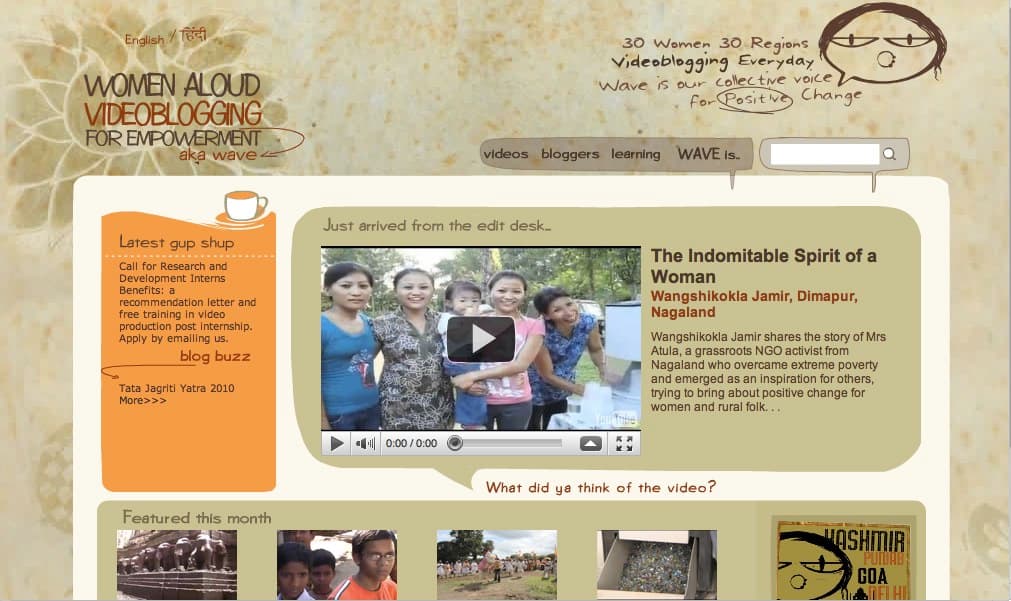
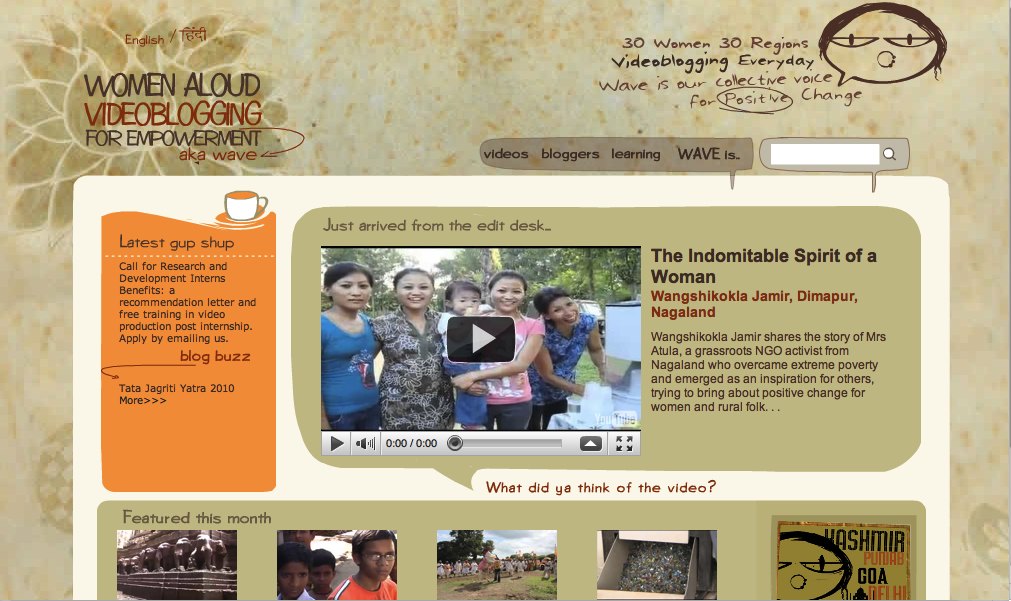
The biggest challenge I am facing currently is sustaining the project that I co-founded over a year ago called WAVE: Women Aloud Videoblogging for Empowerment, online at www.waveindia.org. WAVE was an experiment of sorts and was seed-funded with our pilot year’s budget of $107,000 through the MacArthur Foundation’s Digital Media and Learning competition. These funds will be exhausted soon and since we cannot apply to the competition again, we are currently trying to raise what’s considered a fairly large sum of money in India to continue our project.
It took us nine months to recruit, train, put systems in place for producing regular videos and publishing them to our website, as we had proposed. In May, we presented our work to our funders at an event co-organised by the White House and were told that our project is the ‘gold standard’ amongst other winning projects. Once we felt confident that the experiment was successful, we were able to shift focus to sustaining the project. Over the past five months, my partner Angana Jhaveri and I have publicised our project, corresponded with potential funders, organised public screenings of our videos, attended workshops and worked with consultants on strategic planning, while supervising two full-time staff, five freelance editors and mentoring 30 girls from around the country.
Although our hard work has been well recognised, we still have no indication about future funding. We have faith that if we keep applying to foundations and spreading the word about the strong impact our program has had, we will eventually raise the funds we need to keep going. However, there is always the nagging possibility that all may not work out the way we hope it will, and then there are the bills that cannot be paid without the benefit of a regular salary. Many of the young women I have trained ask me what the status is of our fundraising efforts and I have to sound enthusiastic to them, and mask my inner apprehensions that we may not be able to continue.
Besides funding, there are many other challenges that I feel are comparatively surmountable. These include sustaining the interest and commitment of our participants, bridging the technology and knowledge gaps of our network, finding the right people to work with, getting government permission to receive foreign funds (since funding for non-profit media programs are very scarce in India), acquiring business knowledge for developing a sustainable model, teaching creative storytelling techniques to keep our audience’s interest, and evaluating the impact of our social-message videos.
I feel that the solutions to these barriers lie in successfully balancing time and motivation between grant-writing (which involves research, thinking about one’s program in multiple ways, planning and articulation) as well as spending time reaching out to the right individuals and communities offline and online, who can connect WAVE to the funding and resources it needs. I think PulseWire is a tremendous help for a project like ours with a similar vision, because it brings together like-minded individuals who can advise, inspire and connect us to useful resources.
- South and Central Asia