
IMPACTS OF COVID-19 ON SOCIAL AND ECONOMIC LIVES OF WOMEN IN CAMEROON
Jul 21, 2020
story


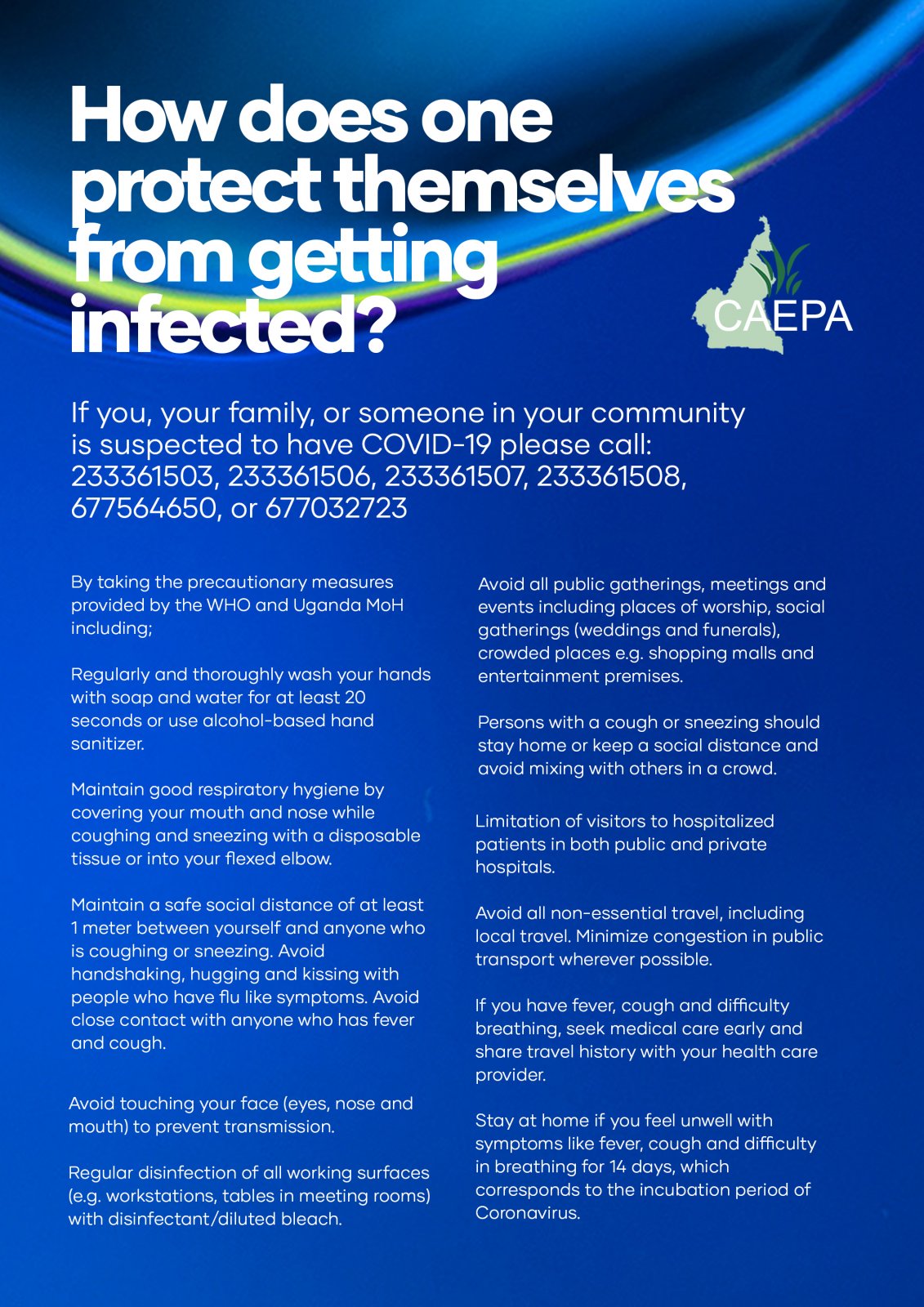
At the time when the humanitarian situation across Cameroon was already acute, with 3.9 million people in need of emergency assistance following the incursion of Boko Haram, the COVID-19 pandemic comes as a nightmare for people of Cameroon. Over the last several months, the pandemic has continued to worsen in Cameroon; from March to early June, confirmed cases across Cameroon’s ten regions increased sharply to nearly 9,000. While direct risks to health and the associated difficulties of testing and treatment constitute the most immediate impacts of the pandemic, serious economic and social impacts have been observed across broad sectors of the population. Economic activity has been severely curtailed, while gatherings and other forms of social interaction have declined. At the same time, existing support from the government and other institutions has largely been insufficient.
In terms of gender demography of the affected population, women, in particular, may face additional difficulties and burdens as a result of the pandemic. With normal economic activities disrupted, women seem to be taking on significant extra work, particularly in the domestic sphere. Further, the migration of women back to rural areas, induced by the pandemic, seems to have resulted in a decreasing income and earning potential. It is noted that the difficulties imposed by the COVID-19 outbreak fall on top of significant existing hardships. One recent report by UN Women (in Palestine) found that the pandemic would likely “exacerbate gender-specific risks and vulnerabilities” and identified a significant increase in gender-based violence against women during the pandemic.
Recently, in order to have further insights into the socio-economic impact of COVID-19 on women in Cameroon, a field research study was conducted by CAEPA and a total of 180 individuals living in Bamenda were surveyed. Out of all survey respondents, 119 (66%) were women, while 61 (34%) were men. Findings are expected to enable better medical, social, and legal services, and for promoting prevention strategies. Respondents in the survey represented a broad range of income sources, 92 (51%) reported that their primary income came from wages and salaries, 38 (21%) agriculture, 38 (21%) business, and 12 (7%) others. However, the survey revealed that sources of income changed significantly from pre-pandemic conditions. More respondents report reliance on others and personal savings, and income from salaries, wages, and agriculture has reduced.
Survey responses indicated a significant and detrimental impact on the social and economic lives of women living in Bamenda, 96% of participants agreed that the COVID-19 lockdown has affected the livelihoods of women. In terms of primary impacts, ‘increased domestic work for women’ was emphasized as the most significant impact by participants followed by ‘increased demand for food by family members’ and ‘increased pressure from family’. A large majority of respondents also agreed that COVID-19 has impacted them, and the women in their communities, in a variety of ways. All 180 respondents agreed that public goods, such as schools, clinics, roads, community centers, markets, had been affected. It was observed that a major chunk described being negatively impacted emotionally and described feeling fear, panic, or anxiety upon hearing of COVID-19 cases in their state. These responses suggest that the COVID-19 outbreak has introduced a wide range of challenges to individuals and local communities in Bamenda and additional burdens which fall most heavily on women.
- Environment
- Health
- Education
- Human Rights
- Africa