
In Pakistan, How the 2010 Harassment Act Fails to Fulfill Its Promise.
Sep 22, 2025
story
Seeking
Visibility


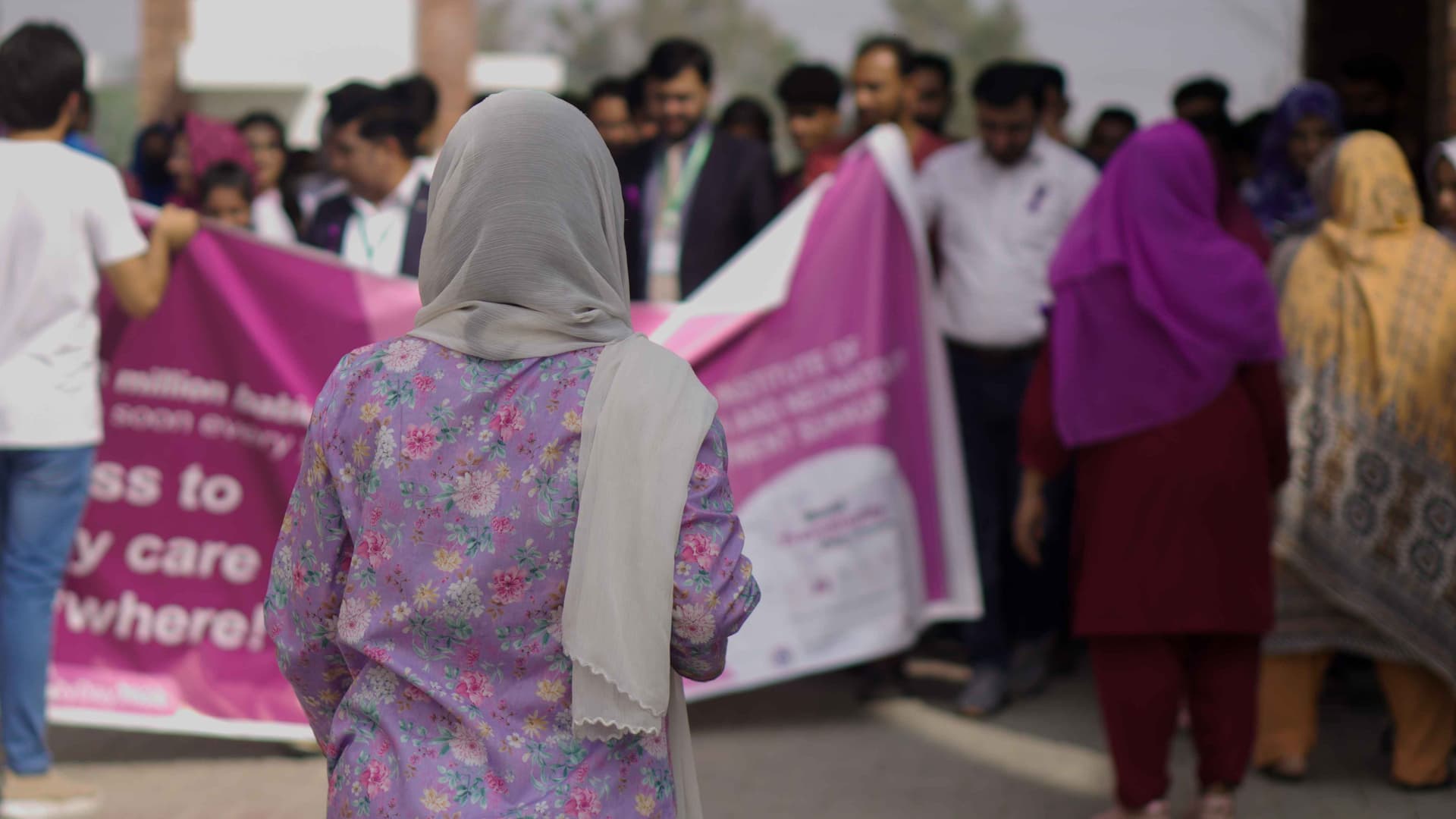
Photo Credit: Myself
How the 2010 Workplace Harassment Act Fails
How the 2010 Harassment Act Fails to Fulfill Its Promise: Why Women Still Stay Away From Workplaces in Pakistan..
In 2010, Pakistan passed the Protection Against Harassment of Women at Workplace Act to define harassment, establish inquiry committees, and offer women legal recourse. The law was a landmark, but over a decade later, its gap between promise and practice remains wide.
Recent reports show that only around 22% of Pakistani women participate in the labour force, one of the lowest globally [1]. Parliamentary quotas notwithstanding, women still make up just 5–6% of the federal government’s civilian workforce [2]. The 2025 ILO gender pay gap report indicates women earn about 25% less per hour and 30% less monthly than men for equivalent work [3].
Harassment is a major driver discouraging women from entering or remaining in work. Surveys estimate 85% of home-based women workers report harassment [4], while some studies find up to 93% of working women acknowledge workplace harassment in both public and private sectors. Meanwhile, many remain silent: over 35% say they feel pressured by management or colleagues to not report [5].
Key barriers include:
- Weak implementation of the 2010 law: internal inquiry committees are often non-functional or biased, and legal redress is slow.
- Social stigma and fear of retaliation discourage reporting.
- Inadequate awareness: many women do not know their rights under the Act.
- Unsafe commuting and limited public transport options make attendance risky [6].
To close the gap, it is not enough to have laws; Pakistan needs structural change. Workplace cultures must shift, and organizations must adopt proactive policies: robust grievance mechanisms, protection for whistleblowers, awareness training, and safety in transit. Legislative reforms should further broaden the definition of “workplace” and “harassment” to include non-sexual, psychological, and hostile work environment behaviours.
My Recommendations
Having worked in leadership roles across both public and social sectors, I believe solutions require both policy enforcement and cultural transformation. Based on my experience, here are my recommendations:
- Leadership Ownership: Policies cannot be left on paper. Leaders must openly commit to zero tolerance and personally champion safe workplace initiatives.
- Independent Oversight: Internal committees often fail because of bias. Neutral third-party review boards should oversee cases to restore women’s trust.
- Awareness Campaigns: Regular orientation sessions are needed so employees know their rights, procedures, and protections under the law.
- Safe Transport Initiatives: Organizations must think beyond office walls. Providing safe commuting options for women can reduce one of the biggest risks they face daily.
- Data Transparency: Institutions should publish annual harassment case reports (without breaching privacy) to demonstrate accountability and encourage reporting.
- Mentorship Networks: Creating safe peer and mentor circles for women at work can empower them to raise their voices without fear of isolation.
As someone committed to gender equity, I see the 2010 Act not as an end but as a starting point. It represents courage from women who challenged silence, but the responsibility now lies with all of us, institutions, leaders, and communities, to make workplaces truly safe. Until then, Pakistan will continue to underutilize the potential of half its population.
References / Bibliography
UNDP Pakistan. Time for Pakistan’s private sector to lead charge on gender. Retrieved from https://www.undp.org/pakistan
The Nation. Gender disparity in employment. March 2025. Retrieved from https://www.nation.com.pk
Dawn News. Women in Pakistan earn significantly less than men: ILO report. March 2025. Retrieved from https://www.dawn.com
Pakistan Today. Karachi seminar reveals 85% of women workers facing harassment. November 2024. Retrieved from https://www.pakistantoday.com.pk
FOSPAH (Federal Ombudsman Secretariat for Protection Against Harassment). Latest News & Reports. Retrieved from https://www.fospah.gov.pk
Pakistan Today. Challenges women are facing in Pakistan. April 2024. Retrieved from https://www.pakistantoday.com.pk
- Education
- Leadership
- Peace & Security
- Gender-based Violence
- Health
- Global