
INDIA: Fighting for a Future in a ‘Graveyard for Farmers’
Aug 9, 2021
story
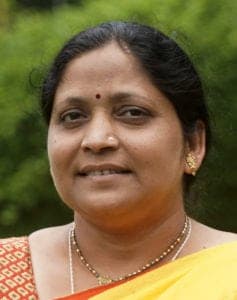

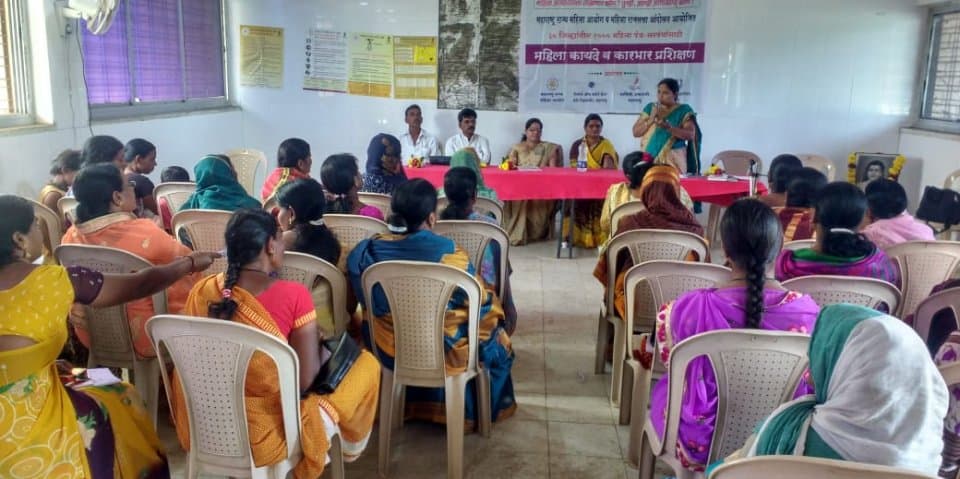
Photo courtesy of Minakshi Birajdar
In a region devastated by drought and insecurity, Minakshi Birajdar helps widows who have lost everything rebuild their lives.
Just as new grass grows and new flowers bloom even on a burial ground, I dream of building a new world.
If I tell you I am from Soegaon, Aurangabad, you will probably ask, “Where? ” But If I tell you I live near the UNESCO World Heritage Sites Ajanta and Ellora Caves in India, you may respond with recognition. Your knowledge helps you pin my location, my origin.
Knowledge is confidence. But for millions of women in my country, knowledge remains beyond reach. The first right to information—whether about education, career, livelihood, medical care, law, or policy—always goes to the men. This is not decided by law. It is not decided by any religion or holy book. But it is how it is.
The man of the house opens the newspaper first, reads it first, gets the news and information on the world first. The woman? She Is busy doing household work. It’s only when the man has left for work, and she has finished her hundreds of duties around the house, that she will have a minute to pick up the paper and look at it, provided the man has not taken it with him to the office.
It is like this where I live. Women’s lack of access to knowledge makes life especially challenging for widows who have lost their husbands to the farming crisis in my community.
People have called my region, Marathwada, a “graveyard for farmers. ” In my community, every man and woman has seen a cycle of drought, loss of crops, debt, and depression. The suicides of men after losing their crops have now become a part of life. To give you an idea, in 2017, more than 800 farmers died by suicide in Marathwada.
Imagine this: a woman's husband has died. There is no food at home. There will be no food coming from the field since drought destroyed it. And in addition to everything, she has no knowledge of where she can go to look for help.
Now, ask the woman left behind how much money her husband earned. What size loan did he take? How Much does it cost to buy seeds? What Is the ideal price of grains and fertilizer? Ask Any question and the only answer you will hear is, “I do not know. Only my husband knew. ”
She has no knowledge of what alternatives she has to get a livelihood and survive. Extreme loneliness, extreme helplessness, and extreme poverty all combine together. If this is not insecurity, what is?
It is this insecurity that I am fighting today. I am trying to free all our women—especially the single women whose husbands died by suicide—by helping them find information and knowledge.
The government has policies to help farmers who are affected by drought and who have lost their crops. There are also policies for families of the farmers who have died in this situation. For example, only this year, the government launched four programs which include free, job-based skills training and a program for doing group farming.
What is missing is a plan to take this information to the widows and explain to them how to access these opportunities when they need them the most.
I have taken this on as my job for the past 18 years. As the president of the Integrated Agricultural Rural Development Organization, an organization dedicated to the welfare of women from rural communities, I organize meetings in villages with women and inform them of different opportunities that are available to them. I help them write their applications and I follow up with the government officials to move these applications along until the funds are released for these women to start a new life.
This may sound simple, but even convincing women to come to a meeting can be a big challenge. They are mourning, depressed, lonely, and frustrated with the whole world. Coming to sit and listen to someone speak is often the last thing they want to do, especially since I am not directly giving away money or aid.
So, I have to try again and again and again. But I think this is how the road to empowerment is—it is not easy; it is hard, complicated and sometimes it is frustrating. I tell myself, I started with a mission to empower those who are not empowered. It is a mission to save lives from a cycle of insecurity. It is not a mission where I can just stop. No, I have to give it all I have. I have to try till I succeed because security for a woman never comes without a good fight.
So my fight is on. I have a long way to go. Droughts and suicides are not showing any signs of ending. There is a thick darkness of insecurity. But just as new grass grows and new flowers bloom even on a burial ground, I dream of building a new world, even in this region. I dream of women who have the knowledge and the power of information to re-write their destiny and create a secure future for themselves and their loved ones.
STORY AWARDS
This story was published as part of the Future of Security Is Women digital event and is sponsored by our partner Our Secure Future. World Pulse runs Story Awards year round—share your story with us, and you could be our next Featured Storyteller! Learn more.
- Economic Power
- Leadership
- Peace & Security
- Future of Security Is Women
- South and Central Asia