
INDIA: Lifting the Ban on Emergency Contraceptives
Feb 11, 2020
story
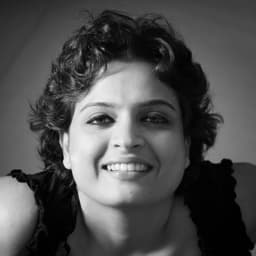
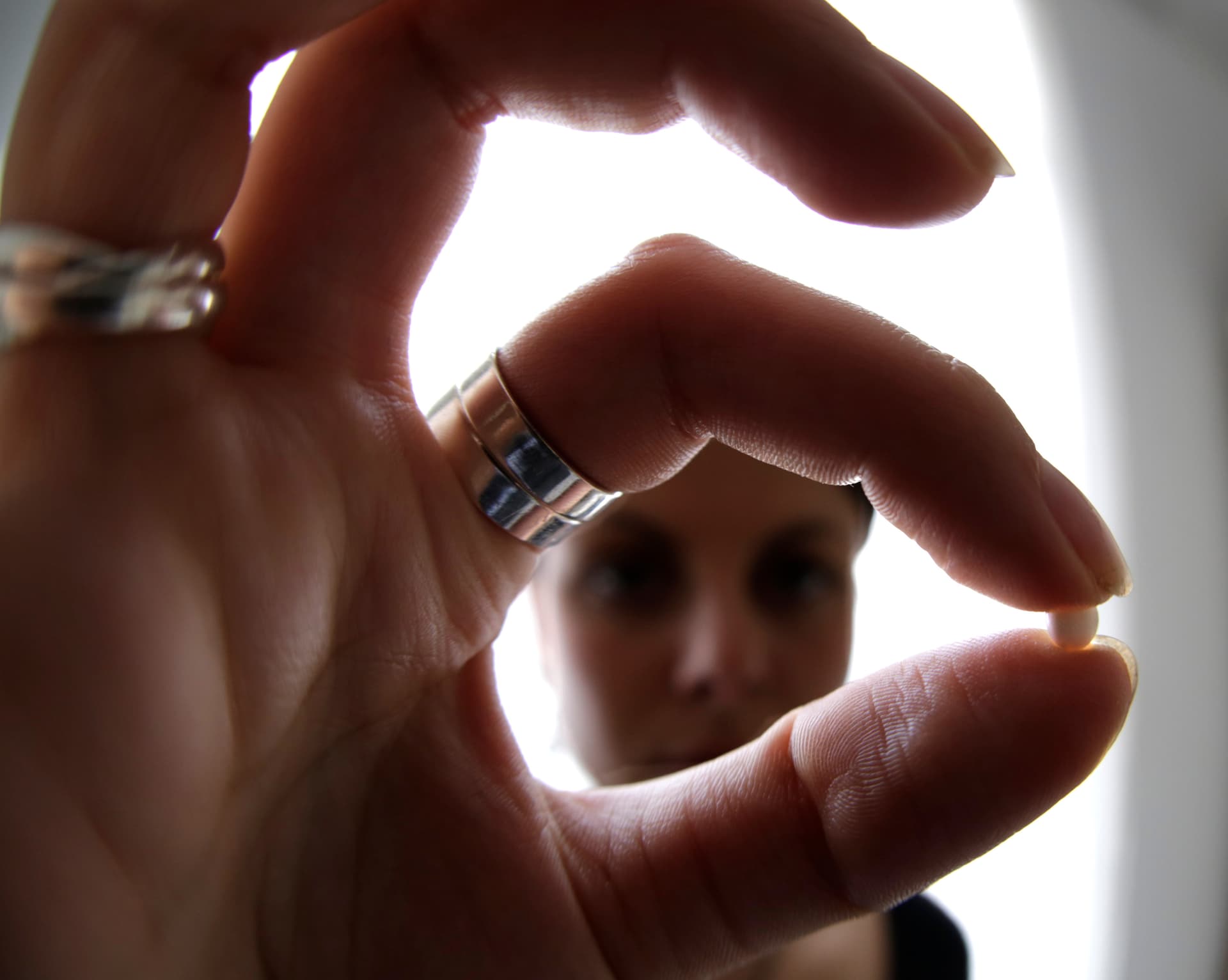
Photo © Reuters/Eric Gaillard
In India, emergency contraceptive pills are supposed to be available without a prescription. When Vaishnavi realized women still couldn't find them in drug stores, she launched a petition that ledto a partial victory.
Never underestimate the power of what a single act of dissent can do in the world.
I live in Chennai—a city known as India’s health capital and considered quite progressive. I assumed then that women here were able to find the emergency contraceptive pills (ecps) they needed. When I heard occasional complaints to the contrary, I reasoned they were about rare cases of low supply. But I was wrong.
When I set out to look for ecps myself, I walked into one medical shop after another and was told every time that they were out of stock. I went to prominent hospitals, 24/7 medical stores, and even solicited the help of a male friend to buy them for me, but found nothing. What I did discover was that an over-the-counter drug, legally available in India without prescription, was not available in its health capital.
I was outraged.
If this was the reality for women in Chennai, Tamil Nadu’s largest metropolitan city, I was scared to even picture what women in rural areas of the state were facing.
People told me that my anger was futile, that by being angry, I simply couldn’t achieve anything. How wrong they were. Anger was what drove me to take on patriarchy with my bare hands, and through brazen activism, lift the ban on emergency contraceptives in Chennai and throughout the Indian state of Tamil Nadu.
There has been an unofficial and illogical ban on the sale of ecps in Tamil Nadu for the last ten years. Though ecps have been legally available over the counter in India since 2005, in 2006 the Tamil Nadu Directorate of Drug Control (DDC) pulled them off pharmacy shelves in response to protests by patriarchal fringe groups with moral objections to the pills. These groups opposed the product advertisements that implied young women had free, unprotected sex.
n. Selvaraju, who was director of the Tamil Nadu DDC at the time, said, “We are not against women’s rights, but this is a moral concern. The advertising of this drug will mean that women will think, ‘I can do anything and there is an easy way not to get pregnant’. We can’t allow such an attitude to grow. ”
Behind their decision was an irrational fear of women’s freedom—the aftermath of which ruins not one but generations of families.
In India, where the sanctity of motherhood is glorified and infertility is a curse, the use of contraception is vastly looked down upon. Women are regularly ambushed by patriarchy, treading the line of poverty, and deprived of the education that could help them make informed decisions about their reproduction.
I think of my own grandmother and mother who, like most women of their generation, had no idea about their reproductive rights or family planning options and may have subjected themselves to sexual intercourse that they neither consented to nor could seek pleasure in.
Still today, women are treated as child-making machines and not permitted a say in their own procreation. This contributes to India’s overpopulation, continued poverty, and low literacy rates. What’s more, if a woman expresses her sexual freedom, she is considered a “loose woman” and a bad example to others.
These beliefs cost women their lives and livelihoods. This has to stop.
I am immensely proud to have been the one to restart the dialogue around emergency contraception in India and bust the myths that deny basic human rights to women.
For two months I held protests, emailed and telephoned the Director of Drug Control, Tamil Nadu relentlessly, and with the support of grassroots campaigning organization Jhatkaa, ran an online petition that received close to 3000 signatures in support of bringing access to ecps to Tamil Nadu.
In response, the DDC director submitted a proposal to the Drug Consultative Committee to include Levonorgestrel, commonly referred to as the morning-after pill, on the list of drugs that can be sold over the counter without a prescription.
This proposal will be considered not only in Tamil Nadu but across India. The DDC also intends to increase the availability and accessibility of the medicine in remote areas throughout India and keep ecps affordable.
Considering how many women in India go through unnecessary, painful (and often unaffordable) abortions, get pregnant against their will, and worse, are forced to keep a child conceived from rape, this is enormous news.
This step, after ten years of an unofficial ban on ecps, is especially significant in a country where ideological morality holds high ground, often sidestepping the autonomy women ought to have over their bodies.
It is heartening to see that the DCC understands the need for access to “guilt-free” ecps and the impact this will have on the lives of women all over India despite overbearing, cultural morals.
A team of DDC members was scheduled to meet with the Drugs Technical Advisory Committee at the end of January to discuss the proposal. Though we have yet to hear back on their progress, we continue to contact them constantly, urging them to push this proposal forward. We will not be dissuaded from keeping up this fight, even if it means making a trip to Delhi and resuming our protest.
Ideally, contraception is a man's business as well. A condom is a cheap, reliable, and accessible product with practically no side-effects and provides protection against sexually transmitted diseases as well as pregnancy. Likewise, vasectomy is much simpler for men and with fewer complications. But there is strong resistance among men to use either, resulting in women having to use precarious, invasive, and often painful methods of birth control. My fight is for the rights of women who are denied access to contraception—but it does not imply that birth control is a woman's responsibility alone.
Never underestimate the power of what a single act of dissent can do in the world. The revolt of feminism is not only a struggle for our rights but also a force for redefining normalcy in society. It is unfortunate that, as women, our persecution binds us together, but our solidarity will help us rid ourselves of it entirely.
Do not let anyone discount your valuable anger. Instead, turn around and ask them why they aren’t angry too.
STORY AWARDS
This story was published as part of the World Pulse Story Awards program. We believe everyone has a story to share, and that the world will be a better place when women are heard. Share your story with us, and you could be our next Featured Storyteller! Learn more.
How to Get Involved
Vaishnavi’s first petition compelled the Tamil Nadu DDC office to take state-wide action for women’s reproductive rights. Now it’s time to urge the national office to do the same for all Indian women.
You can sign this petition right now to show your support for increased availability of emergency contraceptive pills in India.
- Health
- Human Rights
- Sexual and Reproductive Rights
- South and Central Asia